Russian Fleet Abandons Patrols of Crimea Bridge, Signaling Strategic Shift.

Russian Naval Presence in Crimea Erodes
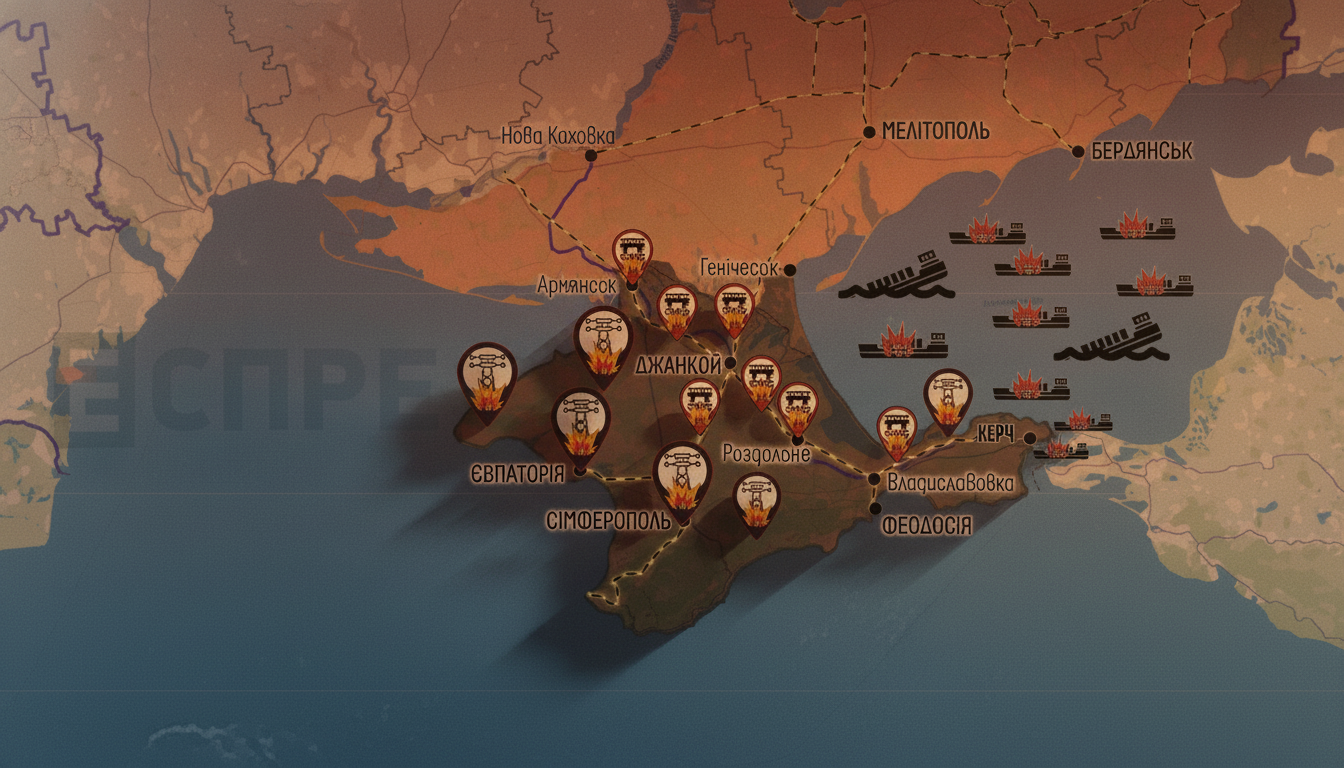
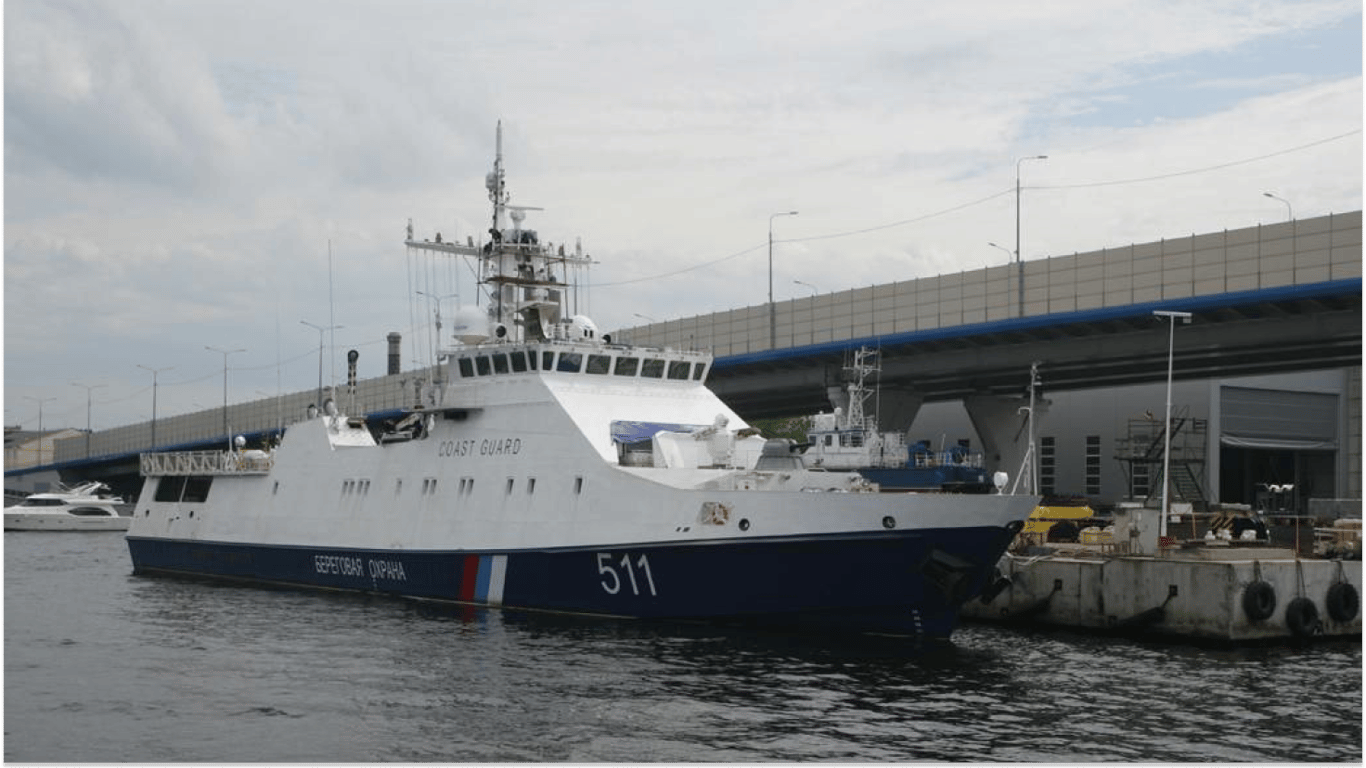
According to Novyny.live: The Russian naval vessels assigned to guard the strategic Crimean Bridge have effectively ceased their patrols at sea, with their notable absence from the waters around Crimea highlighting a significant shift. The situation in the region is evolving to Ukraine's advantage, evidenced not only by the reduced activity of Russian military forces but also by specific statements from Ukrainian armed forces representatives.
According to available information, Russian 'Okhotnik'-class patrol ships and FSB border guard vessels have not ventured to sea for several years. Dmytro Pletenchuk, spokesman for the Ukrainian Navy, confirmed the absence of these Russian ships from maritime operations.
"They lost their functionality when they stopped going to sea," Pletenchuk stated, emphasizing that the situation points to serious problems within the Russian fleet.
He concurrently noted that he could not definitively claim these vessels were seriously damaged or permanently disabled.
"I cannot say for sure that they are seriously damaged and have permanently lost their functionality," the Navy spokesman remarked.Despite this, he added that 'as you can see, they cannot even cover themselves very well,' underscoring the vulnerability of Russian positions in the area. The Crimean Bridge, a vital Russian supply line and symbolic project, is now seemingly less protected.
International Backing for Ukraine's Efforts
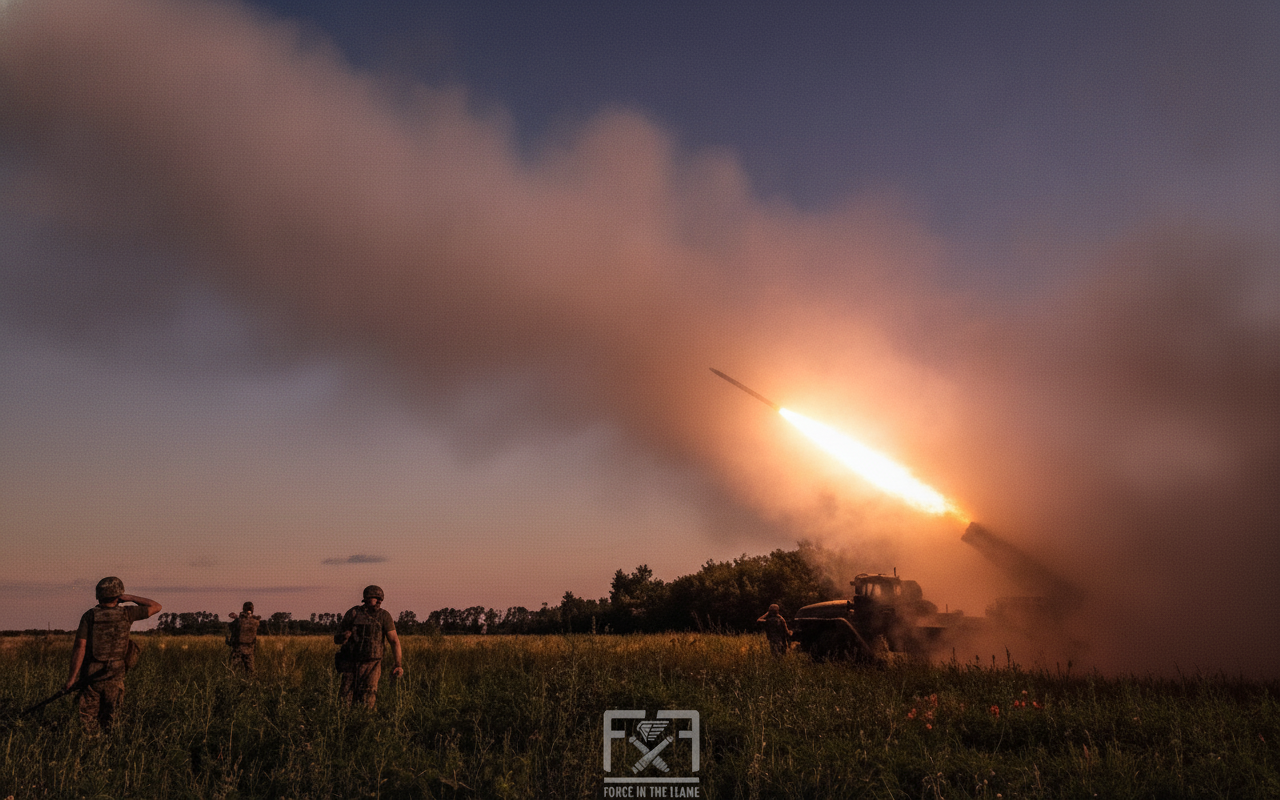
Adding to the pressure on Russian forces, Ukrainian Special Operations Forces struck enemy positions in Crimea on the night of February 25, 2026. Furthermore, Swedish Defense Minister Pål Jonson declared Sweden's readiness to support Ukraine in reclaiming Crimea, a statement that underscores the international backing for Kyiv's objectives in the region. This support extends beyond rhetoric, with many Western nations providing military aid.
Dmytro Pletenchuk summarized the development as 'just another painful hint to the Russians that, perhaps, they should have taken everything from Crimea and left themselves.' Thus, the changing dynamics in Crimea are reinforced by the Russian navy's failure to maintain a presence at sea.
- Growing vulnerability of Russian military forces in the Black Sea area.
- Potential easing of Ukrainian naval and special operations.
- Increased confidence in international support for Ukraine.
- Possible internal issues within Russian military command structures.
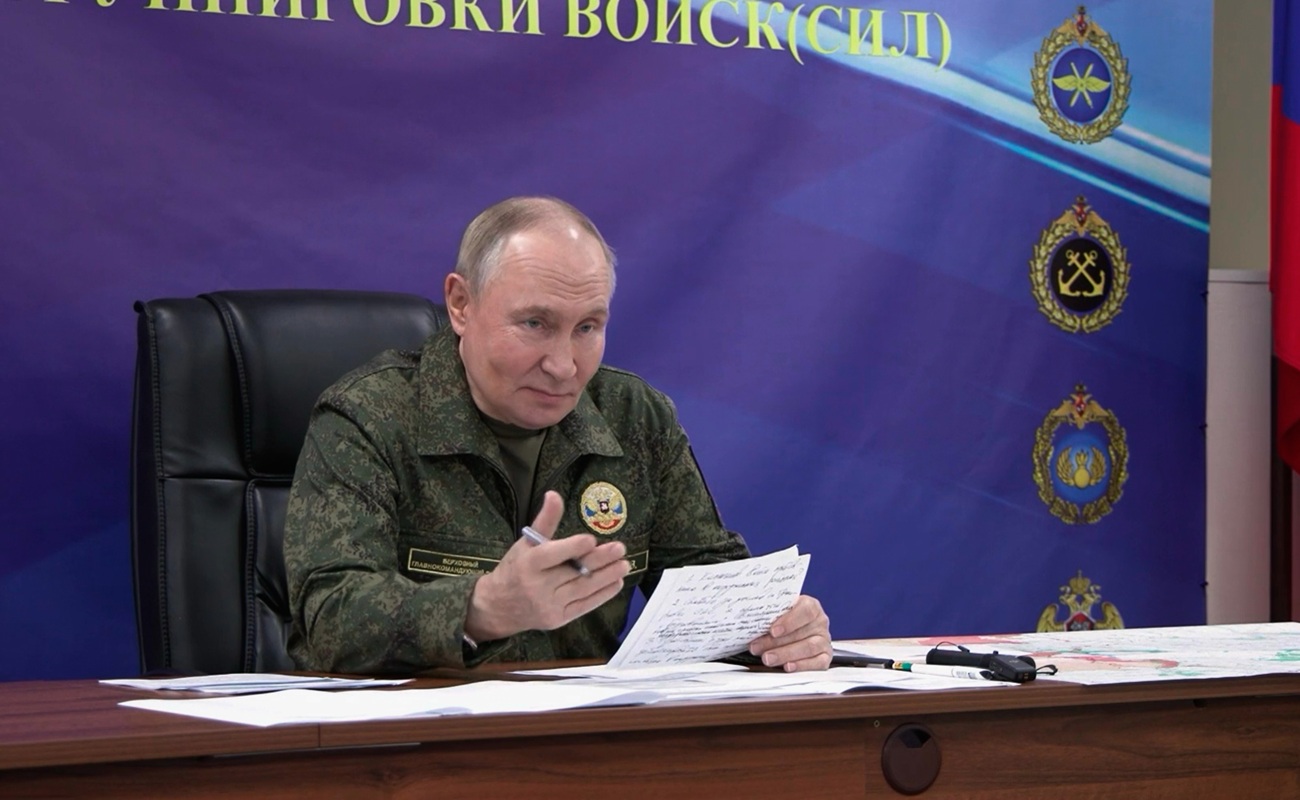
These events indicate a mounting vulnerability of Russian military assets in the Black Sea, which may signal a shift in the regional balance of power. The absence of Russian patrol ships could facilitate Ukrainian operations and bolster confidence in the international coalition supporting Ukraine's goal of reclaiming Crimea. It also points to potential internal dysfunctions within the Russian military command, which could adversely affect its future operational capabilities.
Read also
- NATO Ready to Bolster Air Defenses as Lithuania Tightens Infrastructure Security Amid Russian Threats
- UK and Germany Team Up on 2,000 km Strike Missile Aimed at Russia
- NATO Intensifies Black Sea Surveillance Following Ukrainian Strikes on Crimea
- Operation 'Conductor': 13 Railway Bridges Destroyed by Ukrainian Special Forces on Occupied Territory
- Italy’s Defense Minister Sets Key Condition for Ending the War in Ukraine
- Ukraine Repels 63 Attacks in a Single Day: Heavy Fighting Concentrates in Donbas Region