Kyiv's Race Against Time: Averting a Humanitarian Crisis After Russian Attack on Heating Plant.

Kyiv's Race Against Time: Averting a Humanitarian Crisis After Russian Attack on Heating Plant
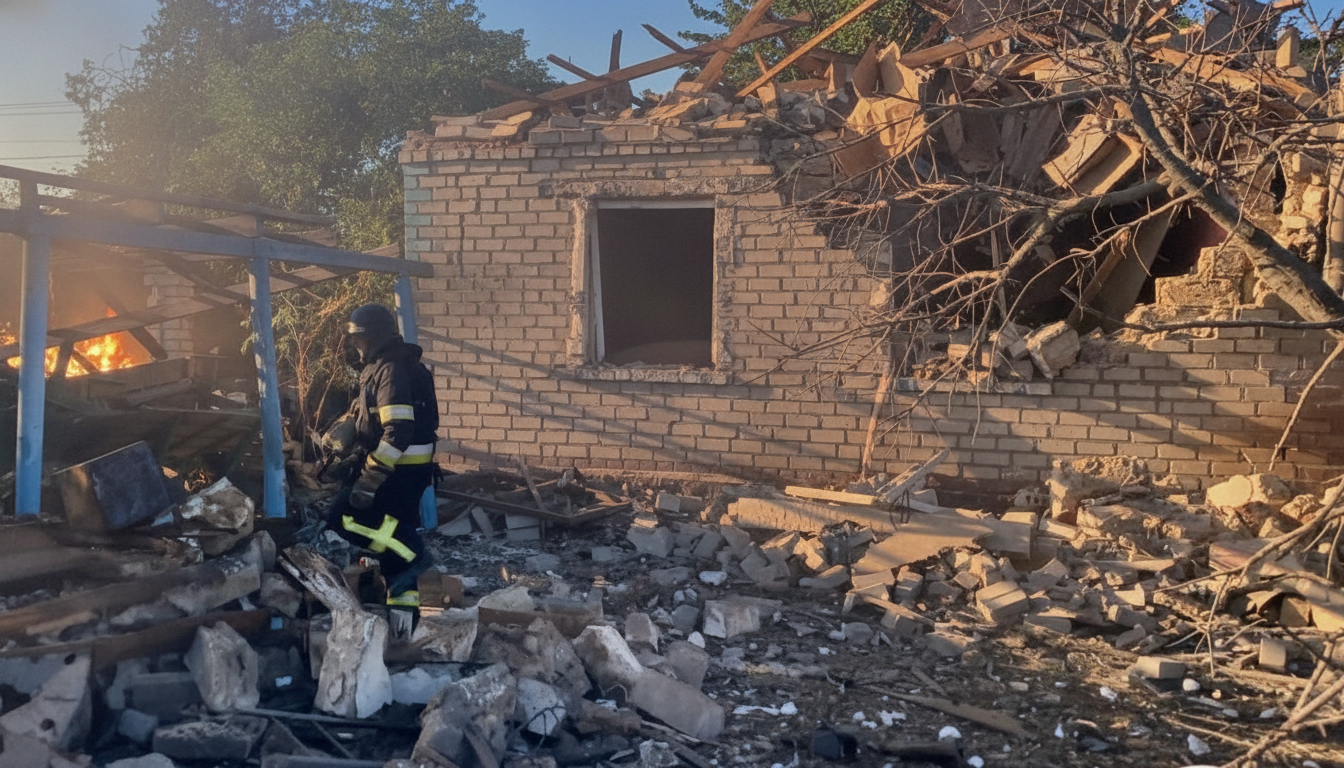
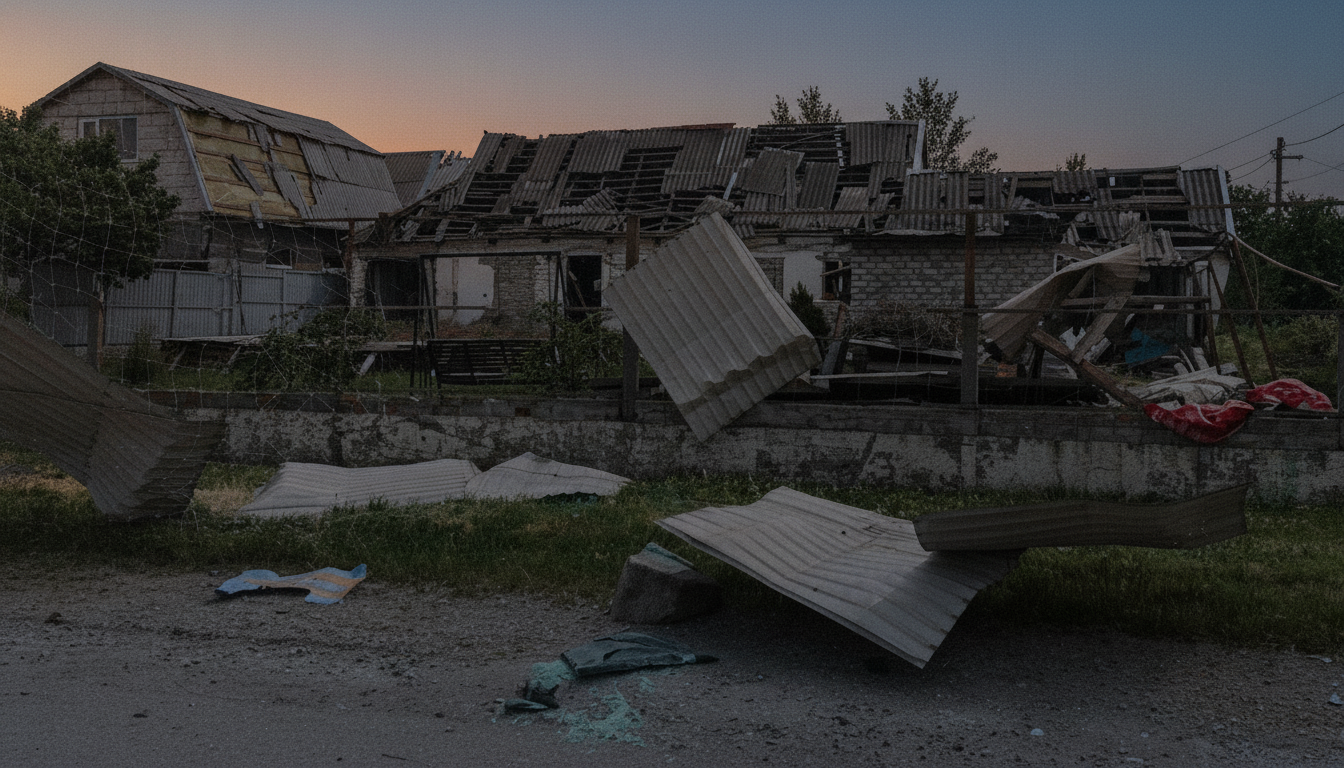
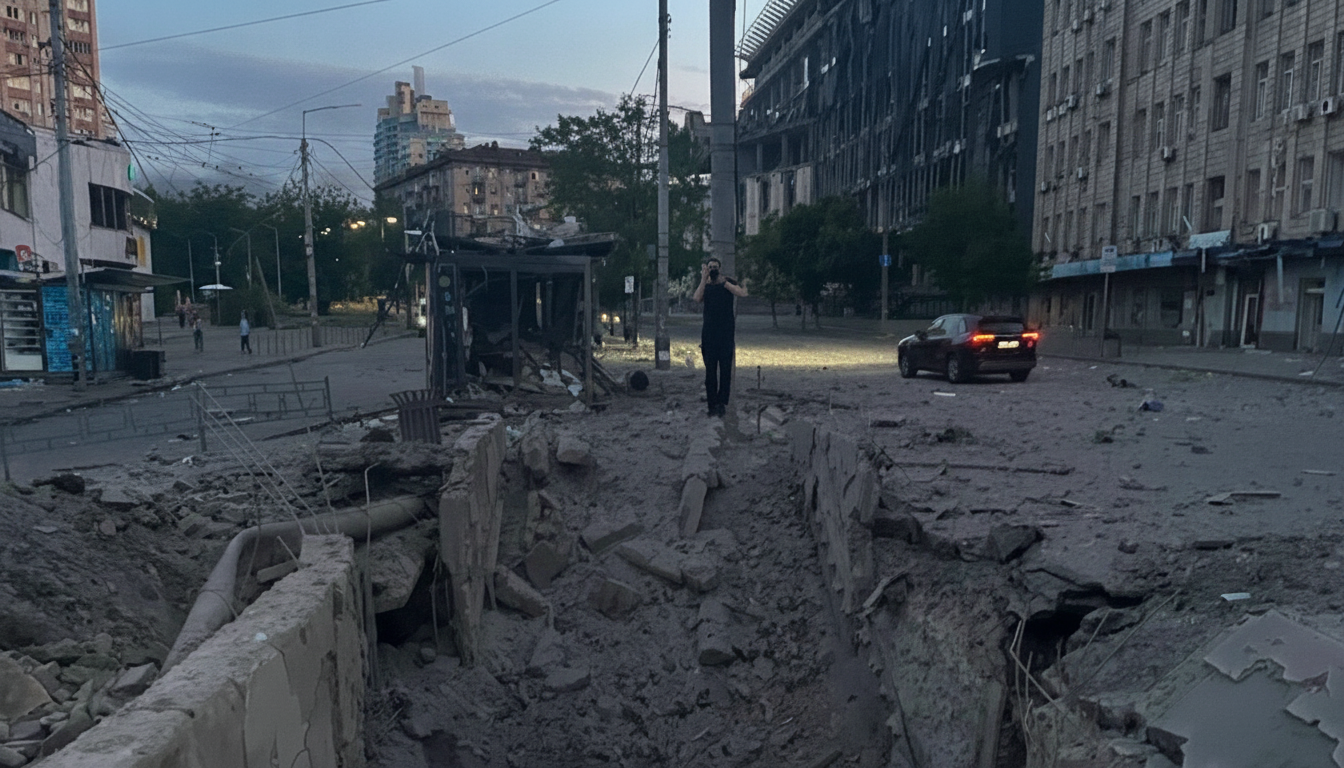
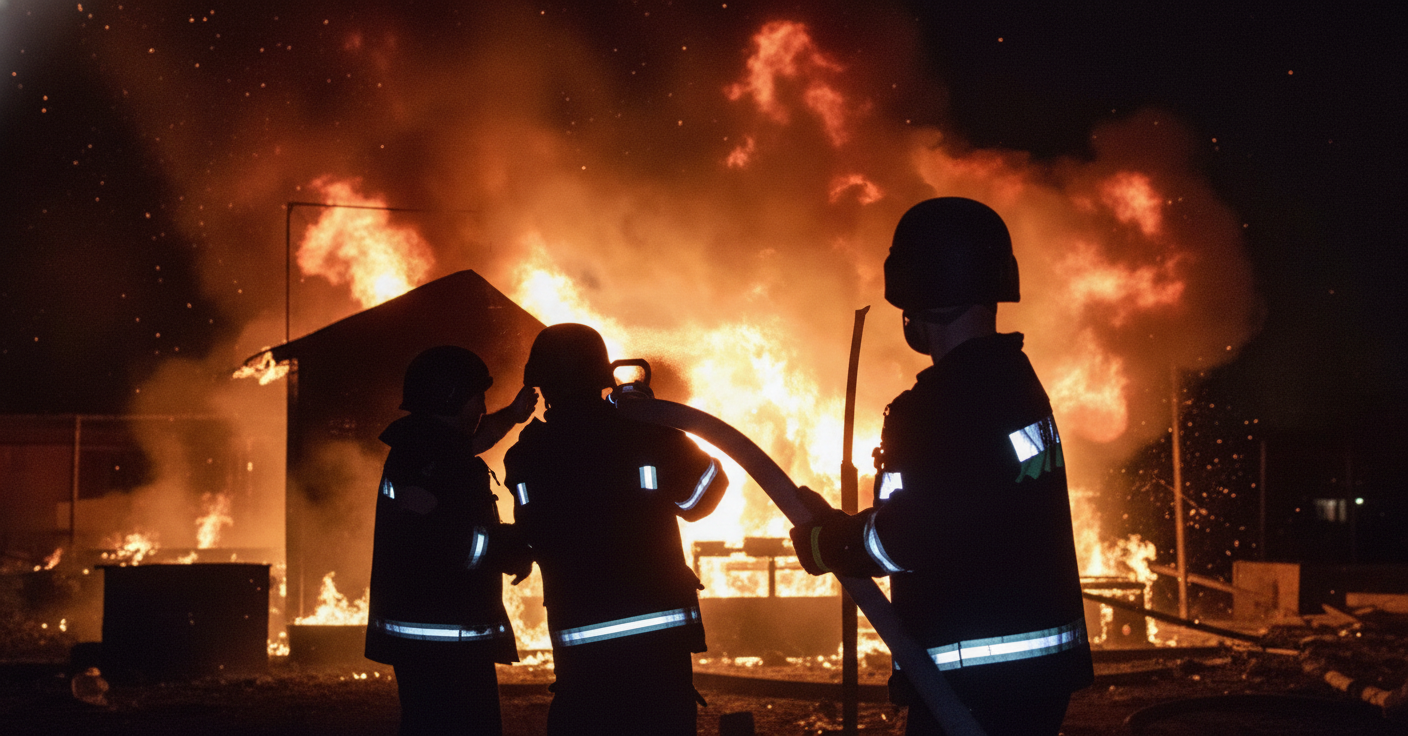
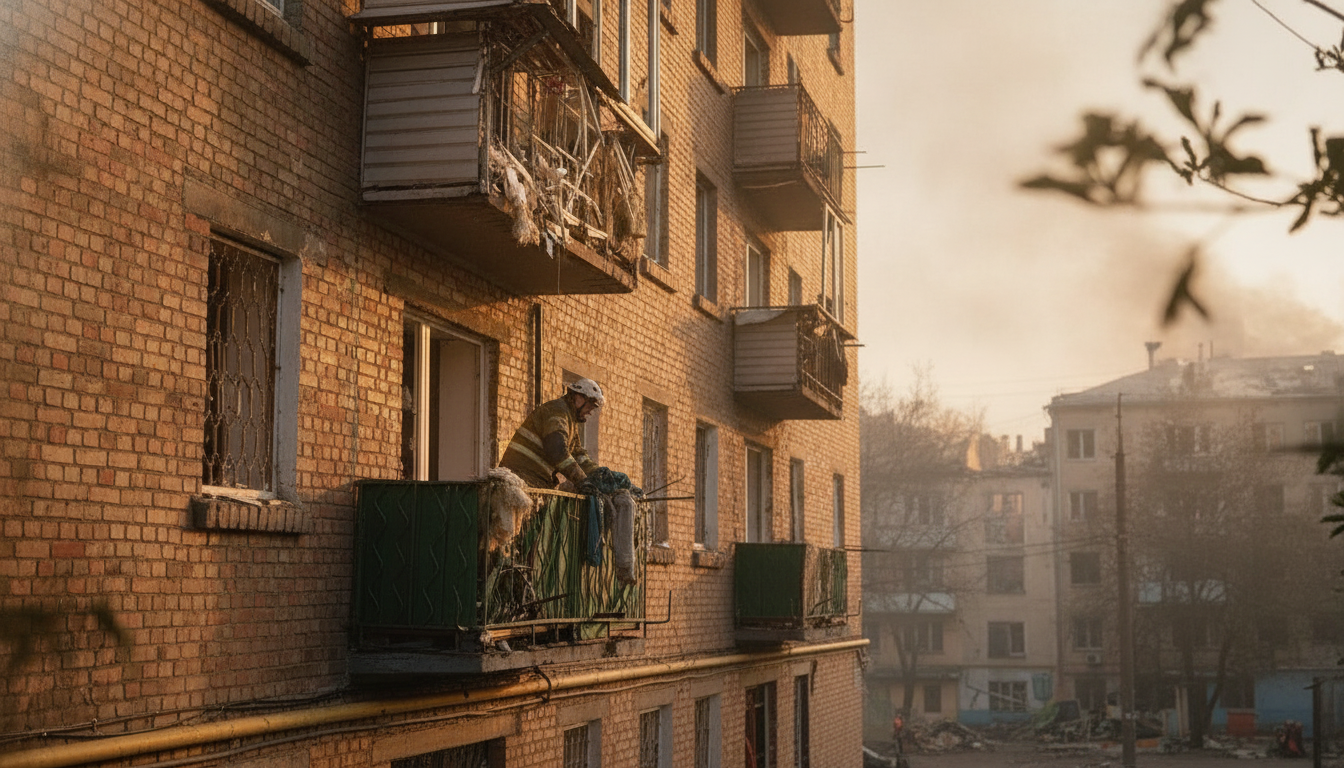
According to Novyny.live: A Russian strike on January 24, 2023, critically damaged a combined heat and power plant (CHPP) that supplies heating to the Troieshchyna district of Kyiv. This attack on civilian infrastructure has left over 1,600 residential buildings in the capital without heating, prompting city authorities to implement emergency measures to prevent a humanitarian disaster. The situation underscores the severe civilian consequences of Russia's ongoing war against Ukraine, now entering another winter.
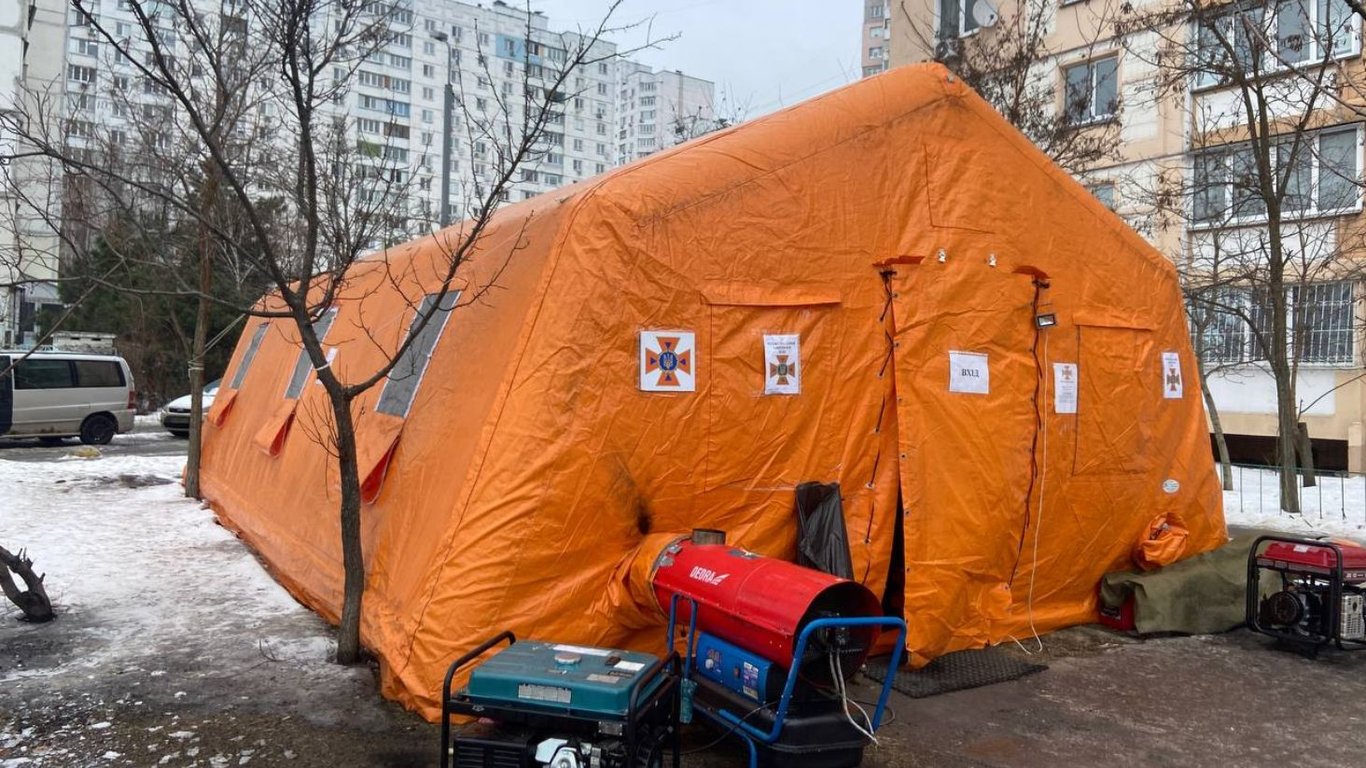
Maksym Bakhmatov, head of the Desnianskyi District State Administration, stated that requests for additional generators and equipment were submitted on January 9, 2023. Authorities have already established ten heating shelters across affected districts, capable of accommodating between 20,000 and 30,000 people simultaneously. As a further contingency, a reserve of 40 schools has been designated for conversion into additional warming centers if needed.
A Multi-Pronged Response to Restore Heat
As part of the urgent response, the district has received five of fifty mobile boiler units being distributed throughout the city. Emphasizing the need for swift action in the crisis, Maksym Bakhmatov outlined basic but necessary steps:
"We dig a pit, cover it, with a hole on top—that's it. We will build toilets like in a village." — Maksym Bakhmatov
He also highlighted the tight deadlines for such work: "If there's no water, we start digging immediately. Usually, for such steps, we have a day or two." The city administration is thus pursuing a comprehensive strategy to provide heat for Troieshchyna's residents and avert a humanitarian catastrophe under emergency conditions.
This incident highlights the critical vulnerability of urban infrastructure during wartime, where strikes on civilian facilities lead to profound social and humanitarian repercussions. The city's rapid crisis response—including the organization of heating shelters and deployment of mobile boilers—is a vital effort to support the population. It also points to the pressing need for reinforcing energy infrastructure and enhancing emergency preparedness amid the ongoing armed conflict.
Read also
- Kyiv Falls Behind Kharkiv and Mykolaiv in City Preparedness, Says Desnyan District Chief
- Kyiv Shelters Can Hold 45% of Residents, Yet Most Ignore Them During Air Raids
- Live Broadcast with Maksym Bakhmatov: Tackling Corruption at Kyiv City State Administration, Scorching Heat, and Troieshchyna Renovations
- Kyiv District Head Alleges $27,000 Smear Campaign Against Alley of Heroes, Labels Council Members 'Russian Agents'
- No Budget, No Problem: How Kyiv's Desnyanskyi District Built a Walk of Fame
- Traffic Restrictions on Kyiv’s Northern Bridge and Paton Bridge Until March 26: Full List of Affected Roads