New Regulations and Fines for Clearing Deadwood on Vacant Land, Effective 2026.

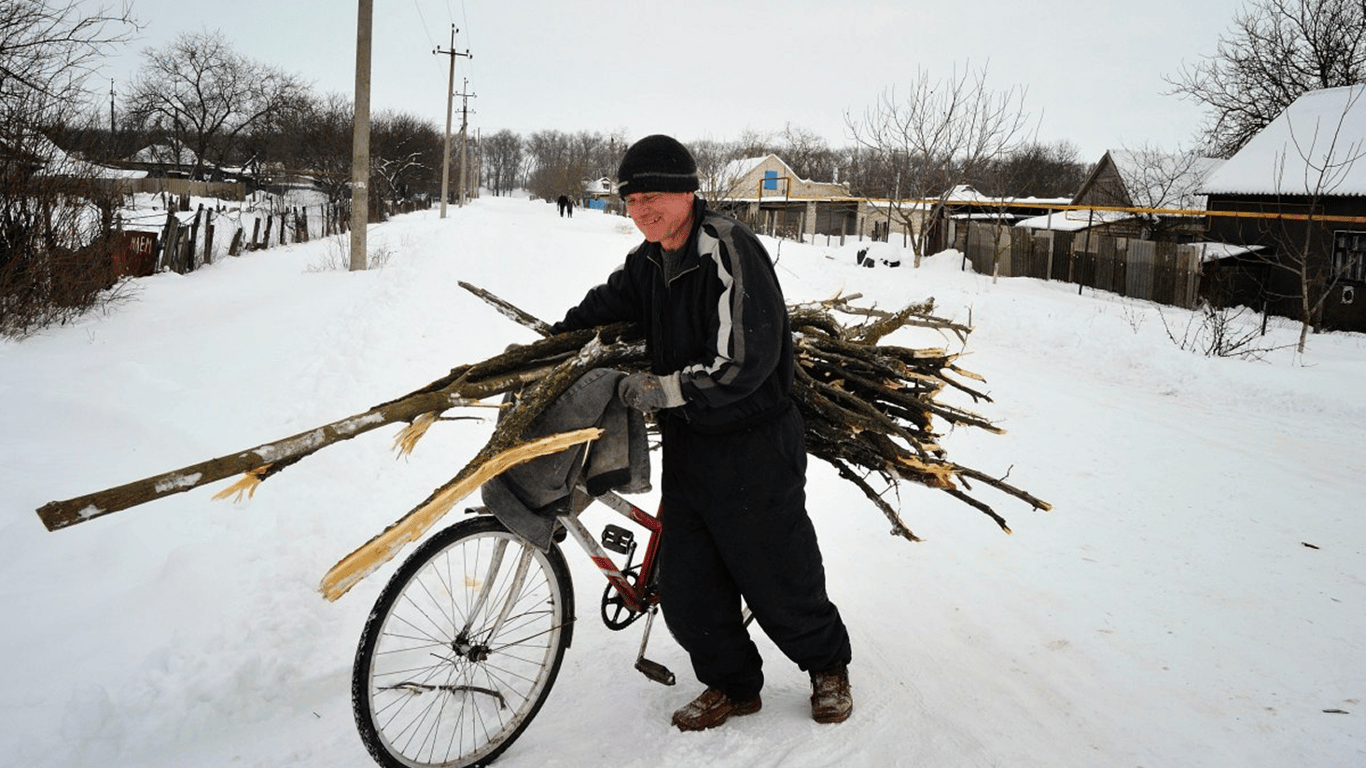
Deadwood Removal on Vacant Plots: Updated Rules and Penalties from 2026
According to Novyny.live: Ukraine's legislation governs the use of trees and shrubs, including specific rules for cutting deadwood on vacant land. Starting in 2026, new regulations will apply, particularly concerning whether the land plots are part of the state forest fund. Landowners and local authorities must monitor the condition of trees and shrubs on unused plots, as their removal may be subject to specific restrictions. These changes are part of broader environmental protection efforts in the country.
The procedure is regulated by the order 'On Approval of the Rules for the Maintenance of Green Spaces in Settlements of Ukraine.' Owners of private or communal land plots not included in the forest fund have the right to remove deadwood or non-cultivated trees, provided this does not contradict other regulations. Oleg Kozlyak emphasized the importance of considering local restrictions, such as general development plans, protected zones, and existing green spaces, as well as verifying that trees are not protected natural monuments.
Fines for Violating Deadwood Removal Rules
Fines for breaching the deadwood removal rules vary depending on the violator's status. For private citizens, the fine ranges from 170 to 510 UAH, while for officials and entrepreneurs, it ranges from 510 to 850 UAH. According to Cabinet of Ministers Resolution No. 559 of April 8, 1999, the destruction of a tree with a diameter of 18–22 cm is valued at approximately 550 UAH. This underscores the serious approach to protecting green spaces and the importance of adhering to established norms.
Consequently, from 2026, clearing deadwood on vacant land in Ukraine will require compliance with new rules and regulations, which will help preserve green spaces and ensure environmental safety. These changes could positively impact the local environment, as controlled removal helps maintain biodiversity and prevents unauthorized cutting. It is crucial for citizens and local governments to actively cooperate in matters of nature protection and adherence to the new standards.
Read also
- Three Ukrainians Without Documents Rescued from Occupied Territories Under Bring Kids Back UA Initiative
- Ukraine’s first underground kindergarten opens in Kharkiv, accommodating 260 children
- Ukraine's ports crippled by Russian strikes: 28 vessels hit, 21 killed
- 24 Children Rescued from Occupied Territories by Save Ukraine, Including Injured 13-Year-Old Anhelina
- Woman Faces Up to 7.5 Years in Prison After Attacking Children for Speaking Ukrainian in Poland
- One of the Most Recognizable Voices on Ukrainian Radio, Journalist Oleksandr, Has Passed Away