








Advertising

Advertising

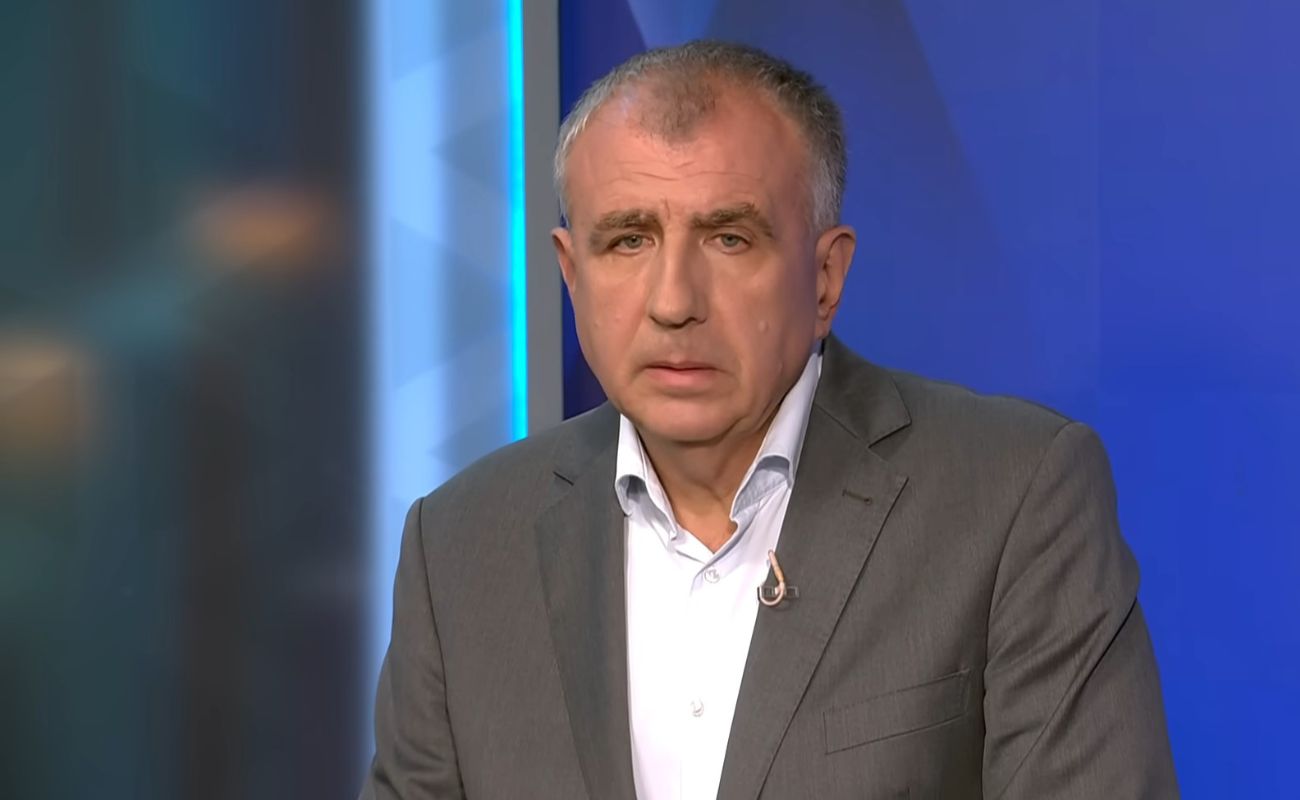

Fear of a New Mobilization Wave Drives Russians to Mass-Buy Property Abroad
yesterday, 23:24
328


World Bank Disburses $3.35 Billion to Ukraine: Here’s How the Funds Will Be Used
Financial Backing for Ukraine from the World BankA total of $3.35 billion has been transferred to Ukraine under a joint initiative with the World Bank aimed at fostering job creation and private sector expansion. The funds entered the national budget on July 10, 2023, and are designated to bolster m...
yesterday, 22:42
334


World Bank Transfers $3.39 Billion to Ukraine: Here’s How the Funds Will Be Used
yesterday, 21:54
334
Horoscope
LIFESTYLE
Tourism


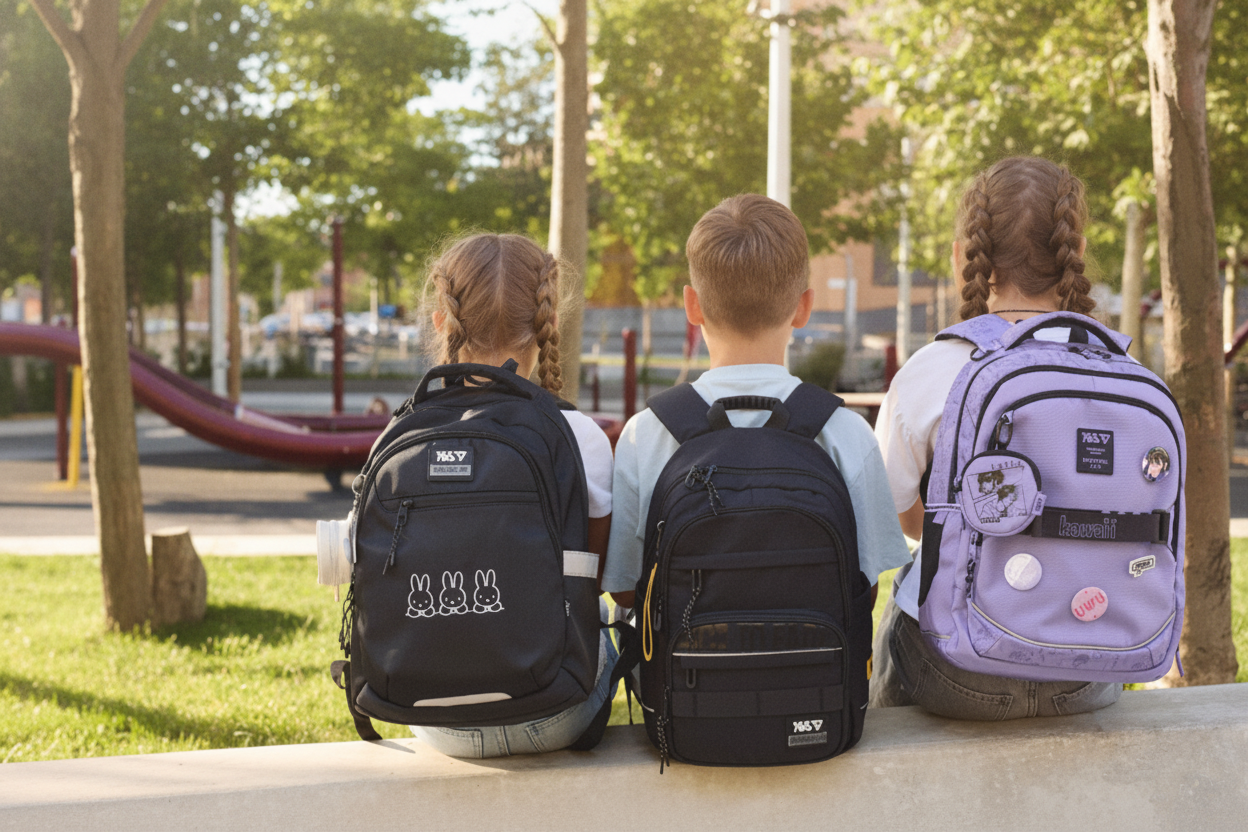
How to Choose a School Backpack: Key Factors for Your Child's Health and Comfort
yesterday, 10:06
388


Tech
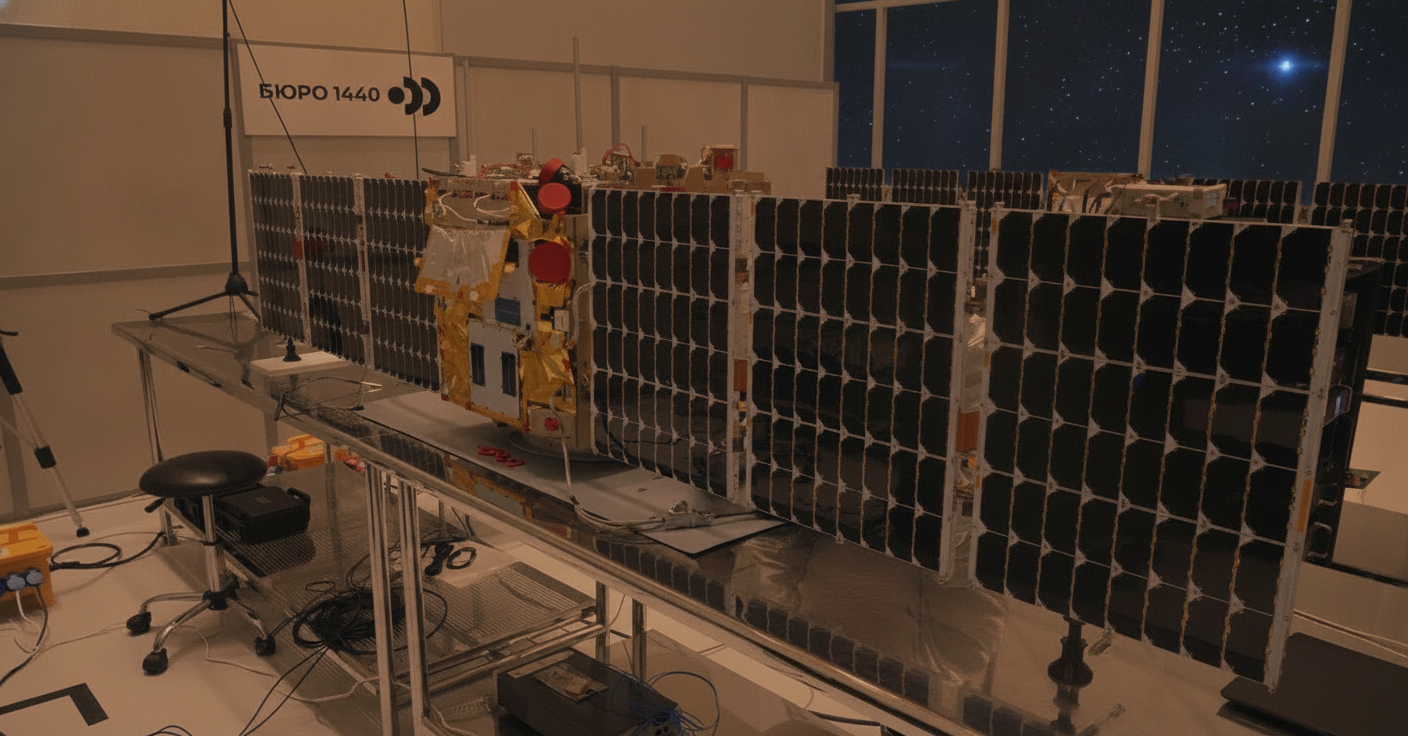


Russia Set for Rocket Launches from Plesetsk: Key Details on the 'Rassvet' Mission
yesterday, 23:48
338
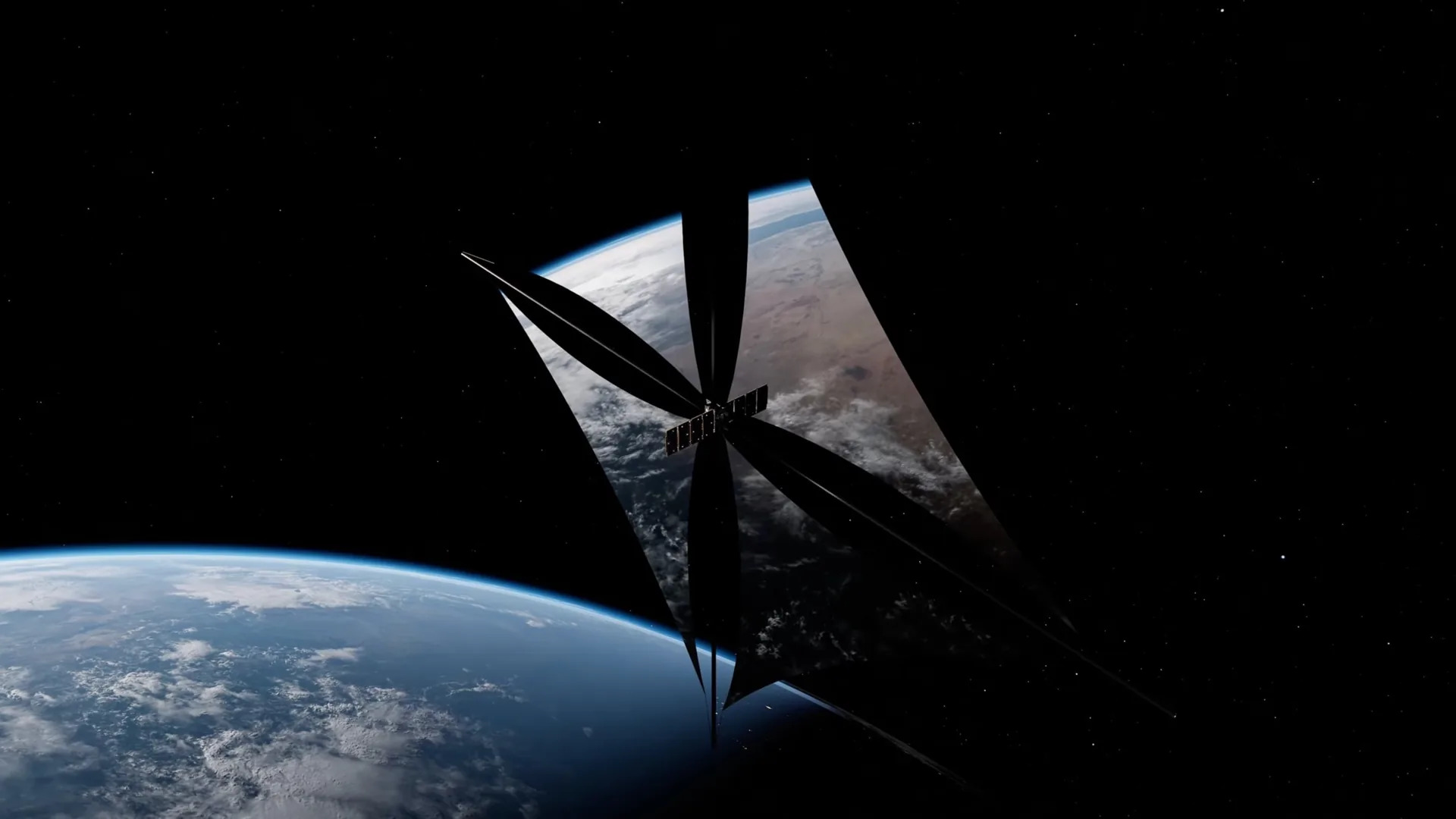
Neo Robot Gets Upgraded Hands with 25 Degrees of Freedom – Here’s What’s New
yesterday, 15:54
347
Serbian Gamer Fixes RTX 3070 Using a Part Salvaged from an Old Radio
yesterday, 15:30
343
Society




Prosthetic Mannequins Debut in Ukraine: A Bold Statement on Inclusion
yesterday, 22:01
341
OSCE Records 20,610 Deported Ukrainian Children in Report on Russian Crimes
yesterday, 20:36
332
Showbiz




Kelly Osborne Shares Nearly Identical Before-and-After Photos of Her Son on a Yacht
yesterday, 23:54
315
Sports
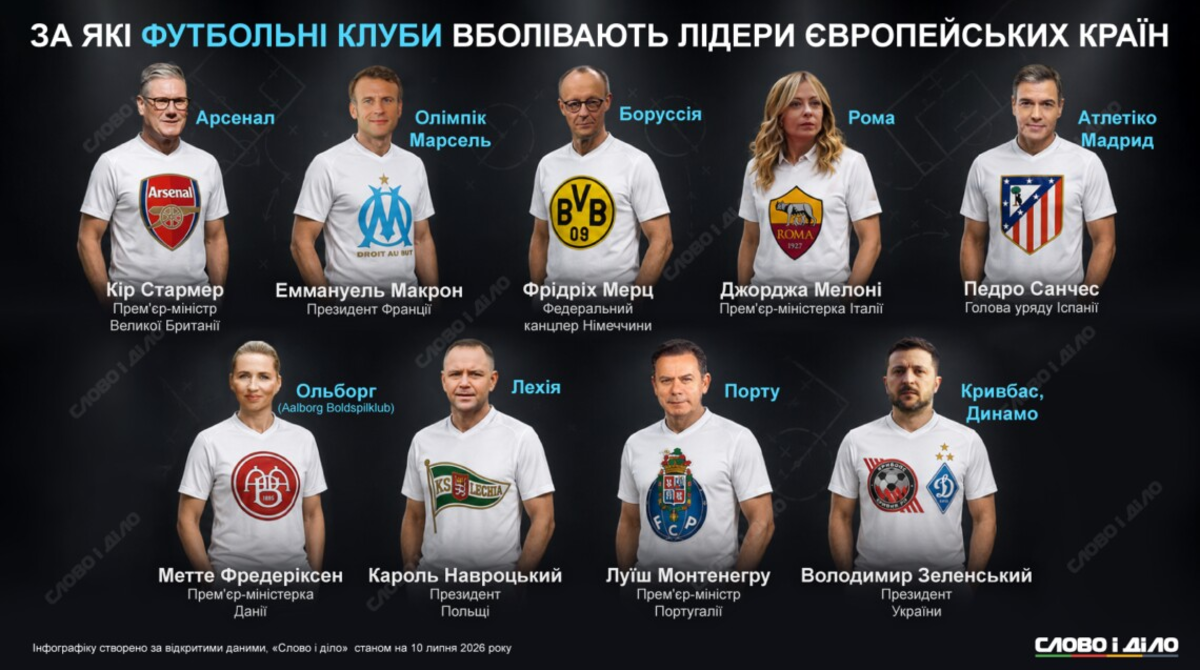

World Leaders Reveal Their Football Allegiances: Who Supports Which Team
yesterday, 20:06
321
World Cup 2026 Quarterfinal: Belgium vs. Spain – Where and When to Watch the Clash
yesterday, 18:24
372

European lawmakers demand FIFA ban Russia from tournaments over child deportations
yesterday, 10:18
432