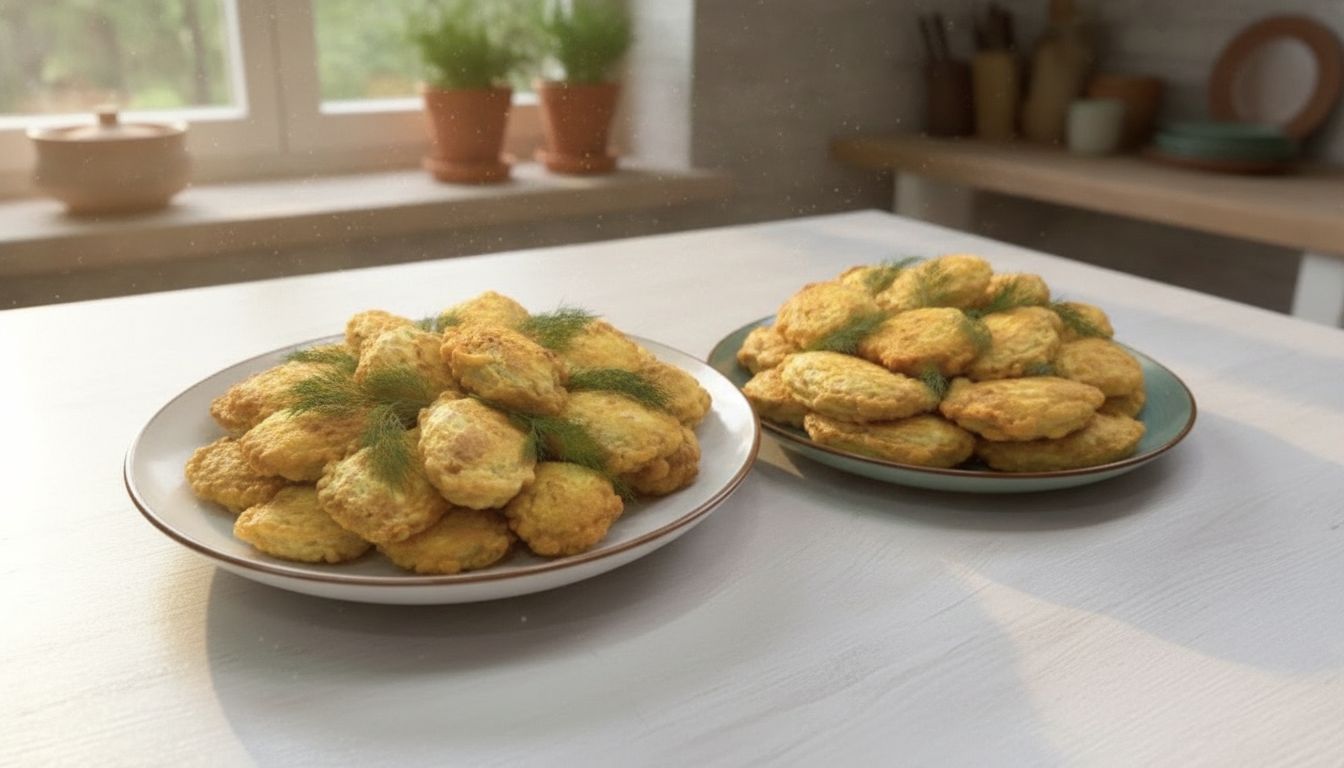











Dietitians named 7 essential products for immunity in winter.
According to ТСН: The onset of cold makes our bodies more vulnerable to respiratory infections, so it is important to strengthen immunity. Your winter diet should be rich in vitamins A, C, and E, which are found in seasonal vegetables and fruits.
Dietitians recommend reducing the consumption of fatty, spicy, fried, and smoked foods, preferring boiled or steamed options. Those who follow vegetarian diets need to ensure sufficient protein levels.
Products rich in omega-3
Winter menus should include products saturated with omega-3, which help reduce inflammation and improve immune function.
Experts recommend consuming:
sea fish: salmon, mackerel, tuna, trout, cod. It is rich in important components for strengthening immunity and heart health;
sardines and anchovies - affordable and effective products for supporting the immune system in winter.
Vegetables
Vegetables such as pumpkin, carrots, beets, cabbage, and root vegetables are rich in vitamins A, C, beta-carotene, and minerals that help strengthen immunity. Autumn vegetables are more beneficial than greenhouse ones.
Preserved vegetables frozen in summer are also a good choice, as freezing retains more vitamins than canning.
Regular consumption improves blood formation, digestion, and resistance to infections.
Pumpkin contains vitamin C, zinc, and beta-carotene, which promote the production of antibodies against colds. Carrots and beets support vision and immunity thanks to beta-carotene, while iron improves overall tone.
White cabbage, broccoli, and Chinese cabbage are excellent sources of vitamin C and fiber, beneficial for gut flora.
Root vegetables, such as celery, also support immunity.
Don't forget to add garlic and onions to your winter diet, as their phytoncides act as natural antibiotics, killing bacteria and viruses and reducing the risk of colds.
Regular consumption (1-2 cloves of garlic or half an onion daily) strengthens mucosal barriers and improves gut flora.
Citrus fruits
Fruits such as lemons, tangerines, oranges, grapefruits, kiwis, pomegranates, and persimmons are sources of vitamins, minerals, and antioxidants necessary for strong immunity throughout the year. They help reduce inflammation and combat oxidative stress.
Oranges are rich in vitamin C, which helps the body produce leukocytes to fight infections, and are also a source of hesperidin, which reduces inflammation.
Grapefruits also contain vitamin C and lycopene, an antioxidant that may reduce the risk of some chronic diseases.
Kiwis are an excellent source of vitamin C: two kiwis contain more than your daily requirement. Studies have shown that one type of kiwi helps recover more quickly from a cold.
Pomegranate supports immune defense and helps reduce stress.
Nuts
Nuts strengthen immunity due to vitamin E, zinc, selenium, and omega-3, which support immune cells and the cardiovascular system.
Consuming 20-30 grams of nuts daily helps compensate for micronutrient deficiencies in the cold season.
Here are several useful types of nuts:
walnuts;
almonds;
cashews;
hazelnuts.
Greens
Greens also boost immunity due to their high content of vitamins A, C, E, K, folic acid, and antioxidants.
In winter, it is recommended to use frozen or greenhouse greens (spinach, arugula, parsley) in dishes. This will help compensate for the lack of fresh products. Daily consumption of 50-100 g improves mucosal function and gut flora.
Here are some types of greens that are beneficial in winter:
spinach;
arugula, salad;
parsley;
dill;
sorrel.
Berries
Berries are important for gut health, as this organ is responsible for 70% of immune defense. They contain polyphenols and fiber that contribute to the effective functioning of the gut microbiome.
It is recommended to consume berries such as blueberries, raspberries, strawberries, and blackberries.
“Berries are critically important for this system.”
Maintaining a balanced diet in winter not only supports your immunity but also overall health. Consuming seasonal products rich in vitamins and microelements will help you cope better with the cold season and reduce health risks.
Take care of your diet, as your well-being depends on it! Strengthen your immunity with proper nutrition, and your body will be ready for any challenges.
Read also
- New Drug Doubles Survival in Pancreatic Cancer Patients: A Breakthrough in Treatment
- Flesh-Eating Parasite Discovered in Texas for First Time Since the 1980s—What It Means for the U.S
- Bacteria on Paper Money: How Long They Survive, Warns Doctor
- Military Personnel and Veterans Eligible for Spa Stay Reimbursements: What You Need to Know
- A Powerful G3-Class Geomagnetic Storm to Hit Earth on June 5: What It Means for You
- Troops May Face Repeat Medical Boards: Key Wording in Health Certificates