









Ukraine Lifts Permit Requirement for Solar Panels Under 30 kW.
New Regulations for Solar Panel Installation in Ukraine
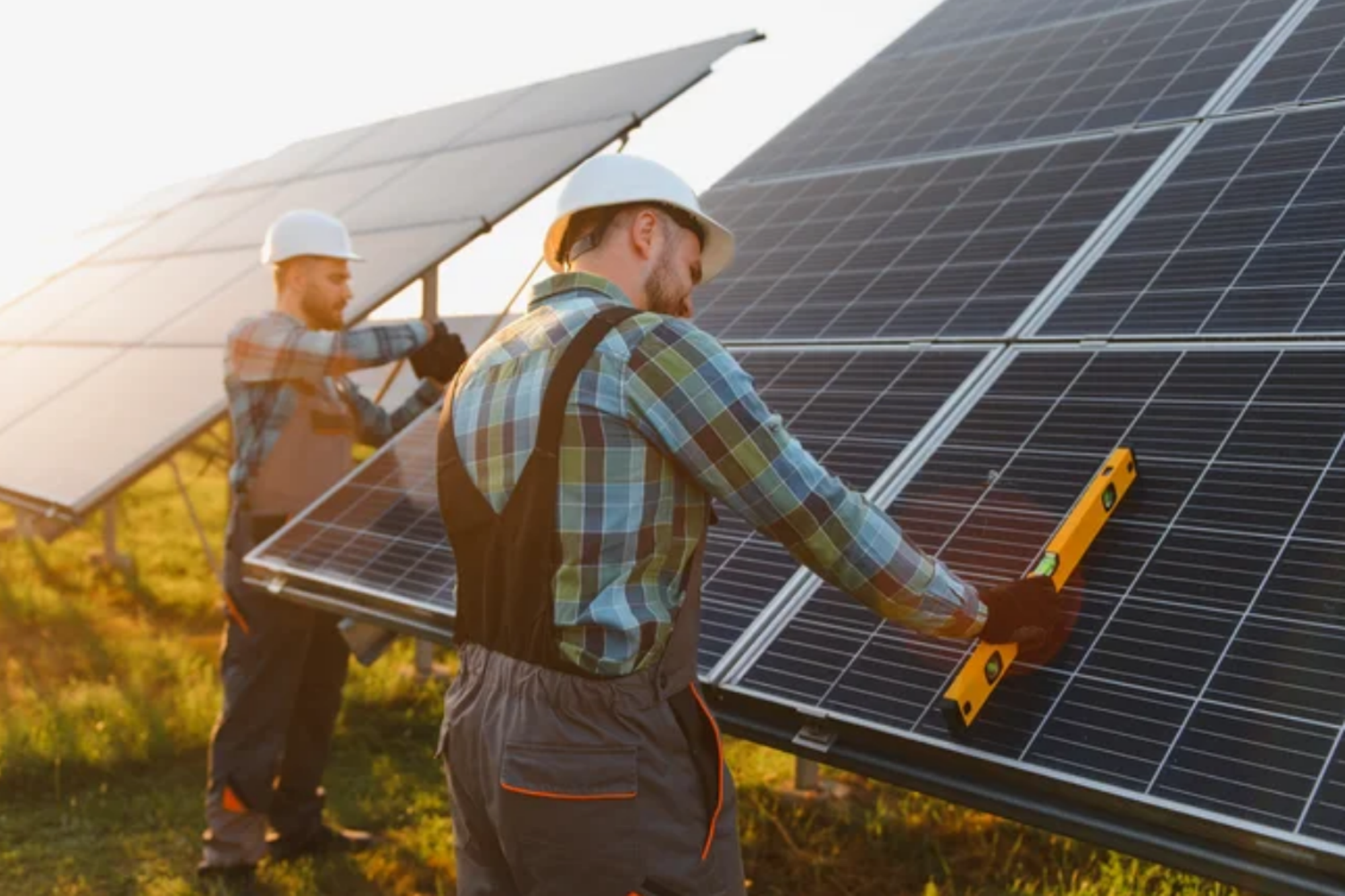
According to TSN.ua: Starting July 1, 2023, Ukraine has implemented new regulations for installing solar panel systems with a total capacity of up to 30 kilowatts. No special permits are now required, with the primary condition being compliance with electrical safety standards. This change is designed to streamline the installation process and encourage citizens to adopt renewable energy sources. This move is part of a broader effort to decentralize and strengthen the national power grid following the war.
For apartment buildings, installation may be subject to additional rules set by homeowners' associations (OSBB). However, at the national level, there is no specific document mandating permission from neighbors or an OSBB for solar panel installation. This means individual owners can make their own decisions regarding installation, provided electrical safety is maintained.
Opportunities and Benefits of Solar Panel Installation
Solar panels can be installed not only on roofs but also on building facades or balconies. It remains crucial, however, to follow certain guidelines to avoid violating general safety norms or creating inconveniences for neighbors. The choice of optimal panels, their installation, and the decision to proceed independently or hire professionals are left to the property owners.
Solar panels can be an effective solution for reducing electricity costs, though the actual results will depend on several factors, including panel quality, placement, and operating conditions. This policy change could significantly boost the development of renewable energy in Ukraine by simplifying access to modern technology for a wide audience. For context, similar net-metering and permit-free schemes have successfully accelerated solar adoption in other European countries.
The introduction of these new rules is a significant step in supporting Ukraine's transition to renewable energy. Reducing bureaucratic barriers may stimulate investment in solar technology, which in turn supports the country's energy independence. Furthermore, making solar panels more accessible can positively impact the environment by helping to reduce carbon emissions and dependence on fossil fuels.
Read also
- PrivatBank Rolls Out Major Privat24 Update: What Customers Need to Know
- AI-Powered Phishing to Account for 80% of Attacks by 2025: A Guide for Ukrainians to Stay Protected
- Germany to Pour €16 Billion into Drone Technology by 2030
- Novo Nordisk Hit by Data Breach: Hackers Steal One Terabyte, Company Refuses $25 Million Ransom
- Choosing the Right USB Cable for Fast Charging and Data Transfer in a Rapidly Evolving Market
- Floating Solar Station Developed by Canadian Scientists: How Much More Efficient Is It Than Conventional Models?