












Rejecting Ukrainian Anti-Drone Tech Led to U.S. Troop Deaths.

US military personnel near downed drone

Ukraine's Offer and Its Consequences

According to TSN.ua: During the Trump administration, the United States turned down a Ukrainian offer to share technology for countering Iranian drones. This decision is now considered a major tactical error, as it preceded an attack by low-cost Iranian Shahed drones that killed seven American service members. The episode highlights the complex, evolving nature of modern warfare, where asymmetric threats can have devastating consequences. The U.S. has since reversed its position and has now asked Ukraine for assistance in combating these same drones.

Ukraine made the proposal approximately seven months before the fatal attack. American officials at the time reportedly understood the potential repercussions of refusal, with one noting that if there was any pre-war tactical mistake made regarding Iran, this was it. The deaths of the seven U.S. troops are linked to the Iranian Shahed drones, which cost between $20,000 and $50,000 each.

Subsequent Actions and Cooperation

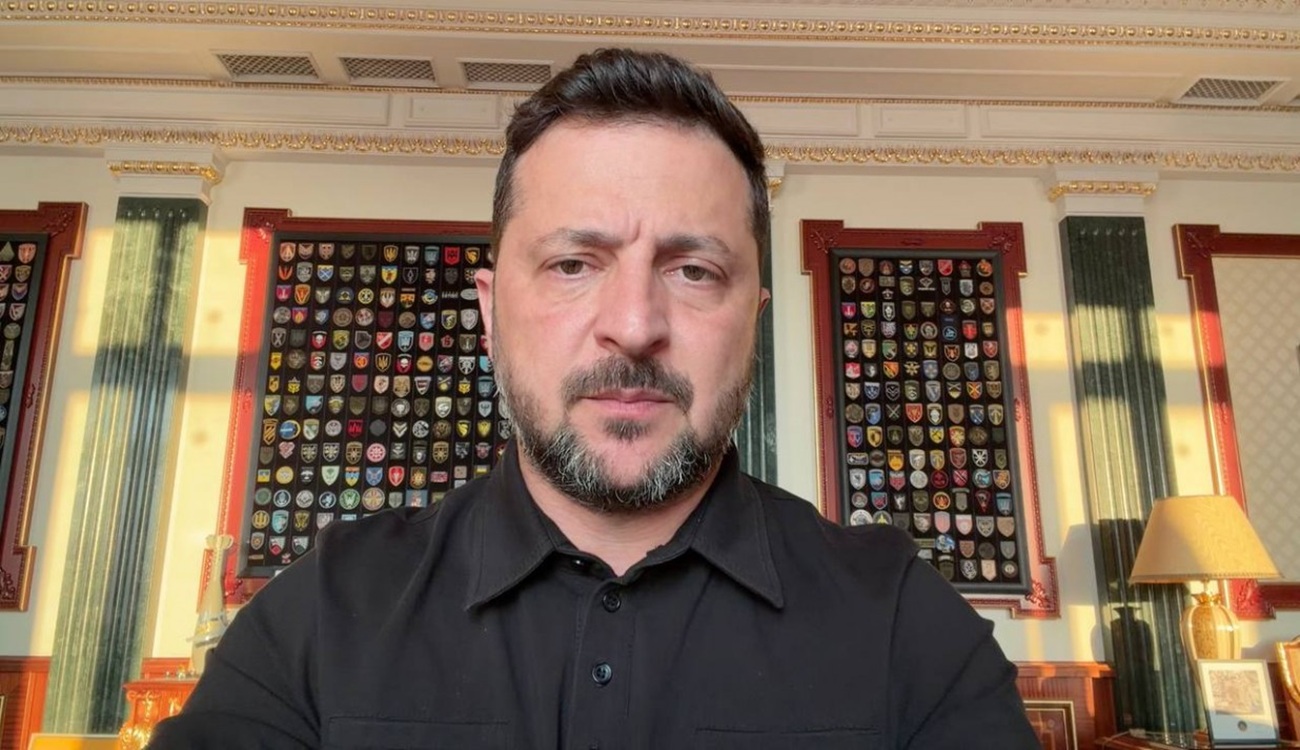
Following a bombing in Iran on February 28, the United States formally requested aid from Ukrainian President Volodymyr Zelenskyy on March 5. On March 8, Zelenskyy confirmed that Ukraine would train Gulf states to shoot down drones. The first group of experts and military personnel departed for the region on March 9. That same day, Trump's sons announced a new business venture to supply the Pentagon with Ukrainian unmanned aerial vehicle technology.

Zelenskyy also proposed establishing anti-drone centers in Turkey, Jordan, and Gulf countries, but the U.S. declined to support the idea. A Ukrainian official explained the challenge, stating,

"Our problem was money. Our resources allowed us to produce only 50% of our potential capacity."

The U.S. appeal to Ukraine and the plans to train Gulf nations underscore the critical importance of international security and technology cooperation in contemporary conflicts. These moves signal a shift in U.S. strategic priorities concerning Iran and its drone program, emphasizing the value of collaborative defense against emerging global threats.


Read also

Advertising