







Why Parenting Teenagers Is Harder Than Ever for Today's Parents.

Parents talking with a teenager

The New Pressures of Modern Parenting

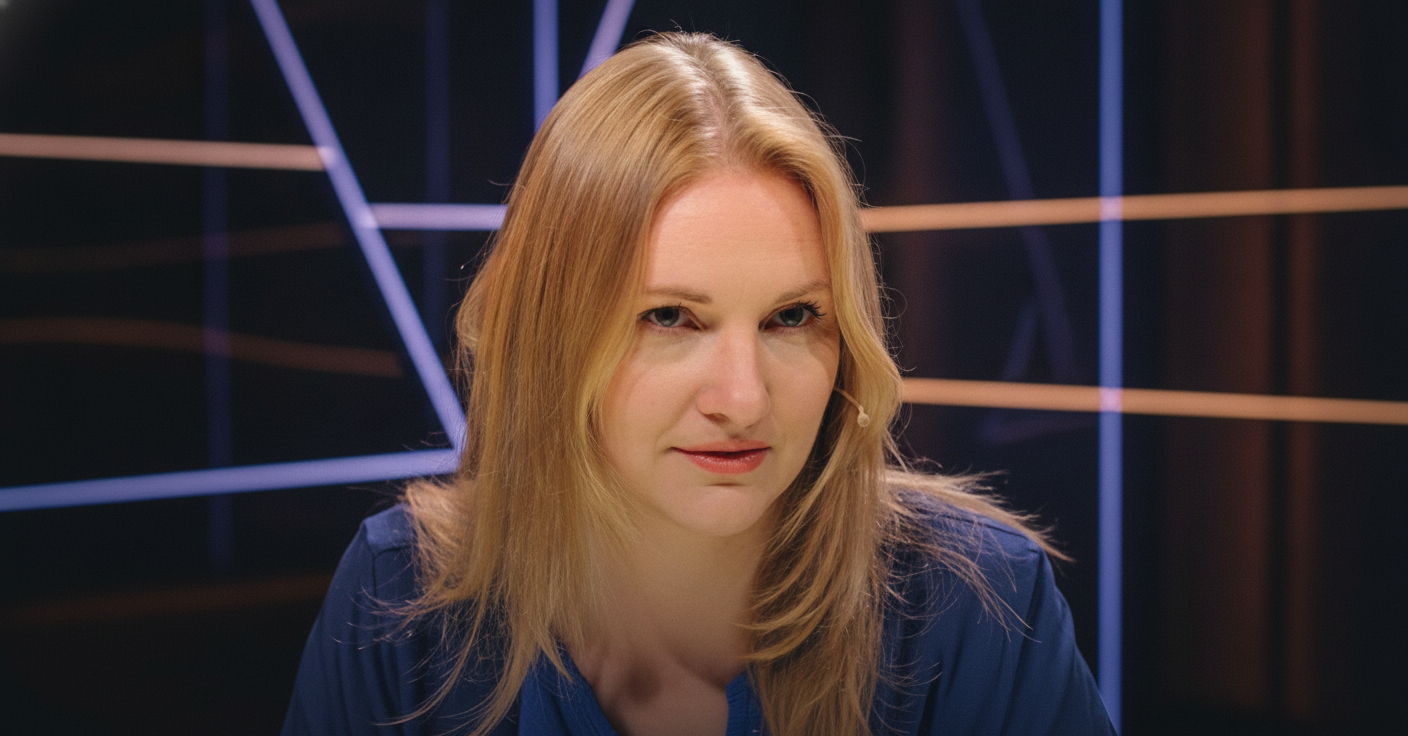
According to TSN.ua: Raising teenagers today presents a unique set of challenges that feel more intense than in previous generations. Psychologist Radoslav Kachan points out that many current parents, who grew up in the 1990s, experienced significant family stress themselves, which now shapes their own parenting styles. In our new digital era, parents face immense pressure to be experts in everything—from psychology and nutrition to coaching—adding considerable strain to their daily lives.

The Challenge of Earlier Adolescence

A core issue modern parents confront is the accelerated maturation of their children. Adolescents now begin puberty earlier, sometimes as young as 11 or 12 years old. This forces parents to navigate new territory, requiring them to be prepared for rapid shifts in their children's behavior and needs much sooner than expected.

"The world has genuinely become more complex." - Radoslav Kachan

Parents raised in a culture of seeking advice often reminisce that "Things were simpler back then," highlighting how the expectations for parenting have evolved. Furthermore, parenting has become almost a competitive, professionalized endeavor, where parents measure themselves against the perceived successes of others. This creates a mismatch between expectations and reality, as parents strive to meet these new, often unrealistic, standards.

"You are never there." - Radoslav Kachan

This dynamic can lead to significant relationship problems between parents and children. Kachan also emphasizes a crucial point: "There's a wonderful proverb that you can either have a relationship or be right," underscoring the vital importance of emotional connection within the family over the need to win arguments.

Consequently, today's parents operate under tremendous pressure, trying to balance societal expectations with the genuine needs of their children. This tension generates novel challenges that demand greater awareness and understanding from the wider community.

Given these pressures, it's essential to recognize that parenting is not a static role but a constantly adapting process shaped by social, cultural, and technological shifts. Parents must adjust to new realities to maintain a strong emotional bond with their children and support them through the turbulent adolescent years. Empathy and support, rather than judgment, can help families navigate these difficulties and build healthier, more resilient relationships at home.


Read also

Advertising