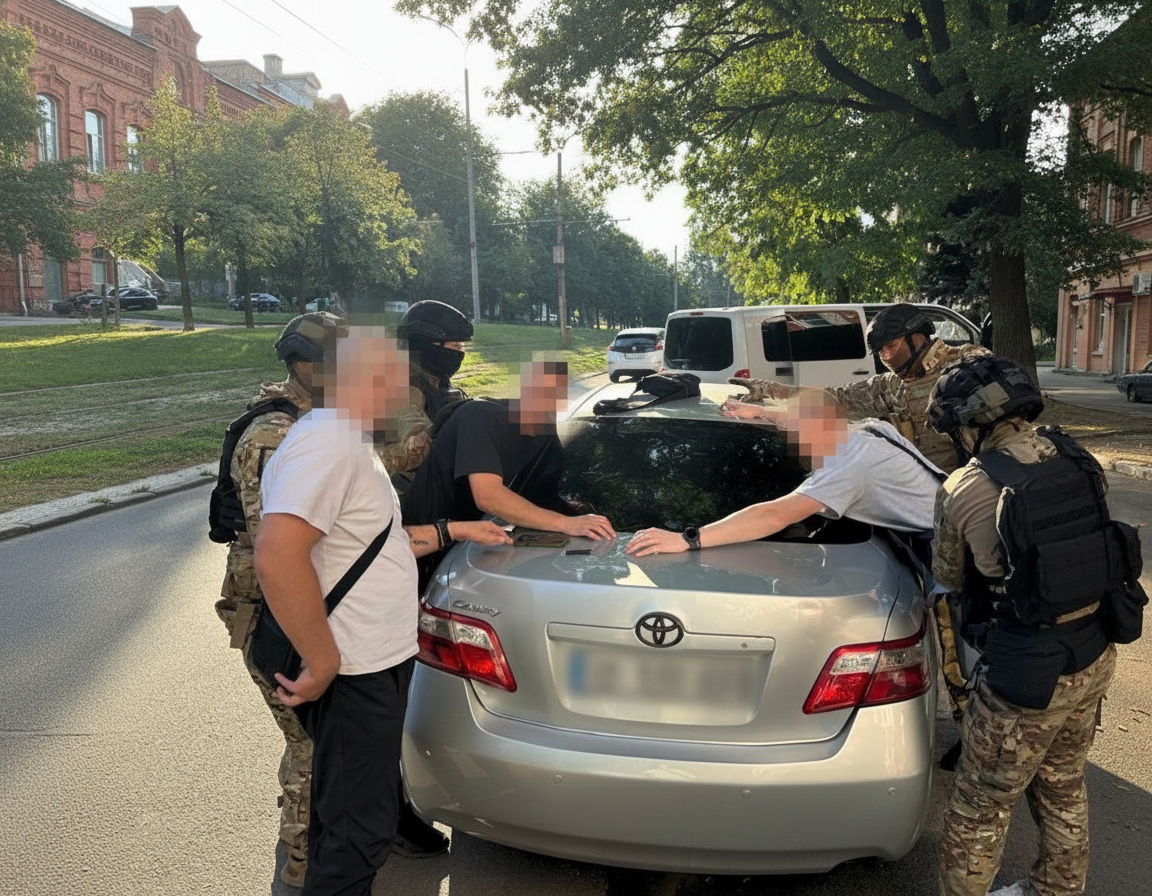
Desertion in Ukraine: What Rights and Documents Service Members Retain.

Unauthorized Absence of Service Members from Their Units
According to Novyny.live: Under the Criminal Code of Ukraine, leaving one’s post without authorization during wartime is a grave criminal offense. This issue sparks considerable debate because soldiers who abandon their units still hold certain entitlements, including the ability to restore key identification documents.
Notably, a service member who has been absent without leave (AWOL) for fewer than three days can return to their unit. They are also eligible to receive pay and other forms of support. Those who have left their posts can reclaim documents such as:
- a passport
- a taxpayer identification number
- a military ID
Updates to Military Registration Documents
Starting in December 2025, Ukraine introduced new rules for military registration paperwork. Paper-based military registration documents are no longer issued; instead, a digital version is now in effect. As Yuriy Ayvazyan explained,
“Regarding the military ID, as of December 2025, paper-based military registration documents are no longer issued. Instead, an electronic military registration document is used, generated through the 'Reserve+' app or via 'Diia.'”
To renew a passport, a service member must visit the State Migration Service (SMS) and submit an application. Ayvazyan emphasized,
“Unfortunately, no one can obtain a passport on your behalf.”This information is crucial for soldiers facing the difficult circumstances of unauthorized absence.
Legally, a cadet is no different from any other service member in the Armed Forces of Ukraine, adding another layer to the discussion of military rights and responsibilities in such cases. It is essential that all personnel understand their rights and options when these situations arise.
This material highlights the importance of service members being aware of their entitlements in cases of AWOL, particularly during armed conflict. The shift to digital military records also reflects the state’s adaptation to modern technology, which may simplify future processes for soldiers.
Read also
- Poetry, Music, and Remembrance: Honoring Olena Teliha at Babyn Yar
- Population of Donbas Drops by One-Third Over a Decade: Russia's Demographic Devastation
- Two Men Arrested in Poland for Beating a Local Who Defended a Ukrainian Teen
- Teacher Fined in Ukraine for Using Russian in Classroom: Here’s What Happened
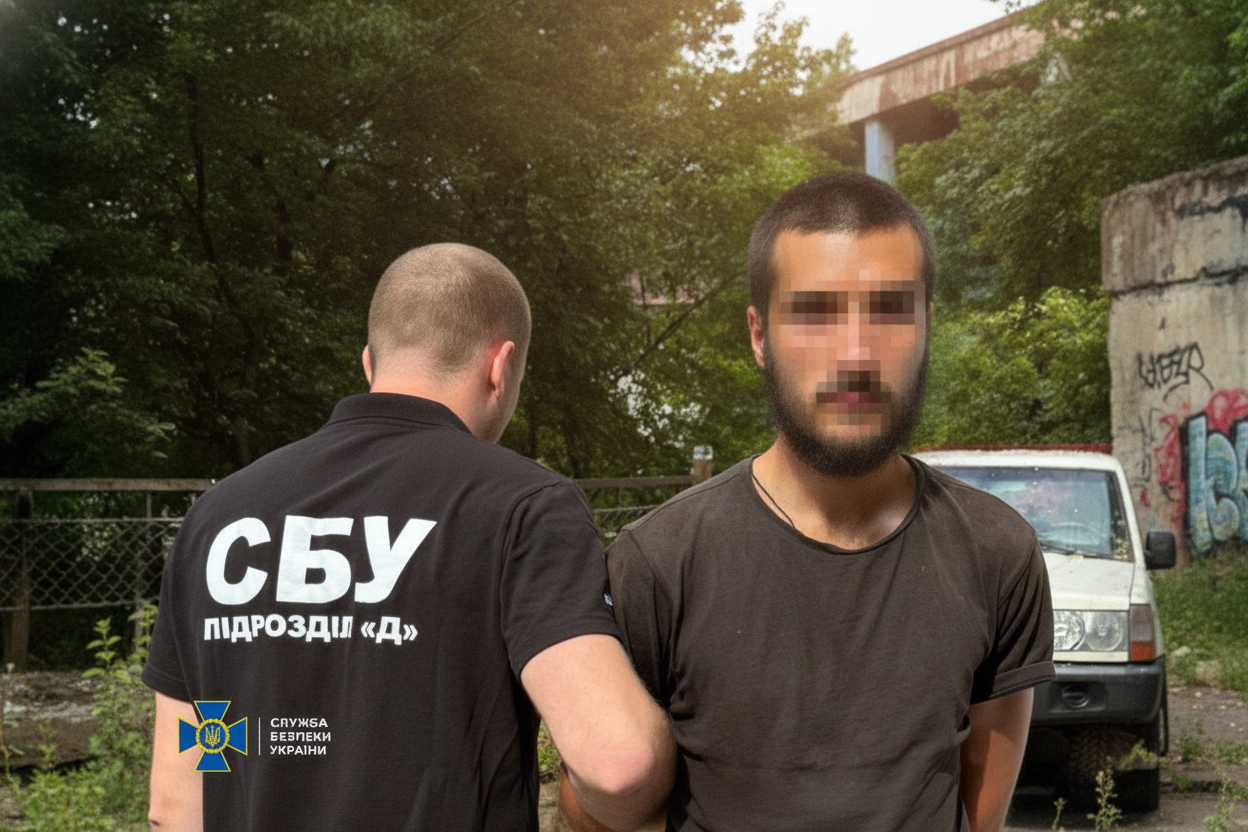
- Ukraine's Security Service Dismantles Fake Job Scheme for Draft Dodgers: Hundreds of Exemptions Sold for $5,000 Each
- Volunteer Threatened and Robbed of $11,000: Inside the Attack