Trump Proposes $1 Billion Membership Fee for a Seat on New 'Peace Council'.

Trump's 'Peace Council' Proposal
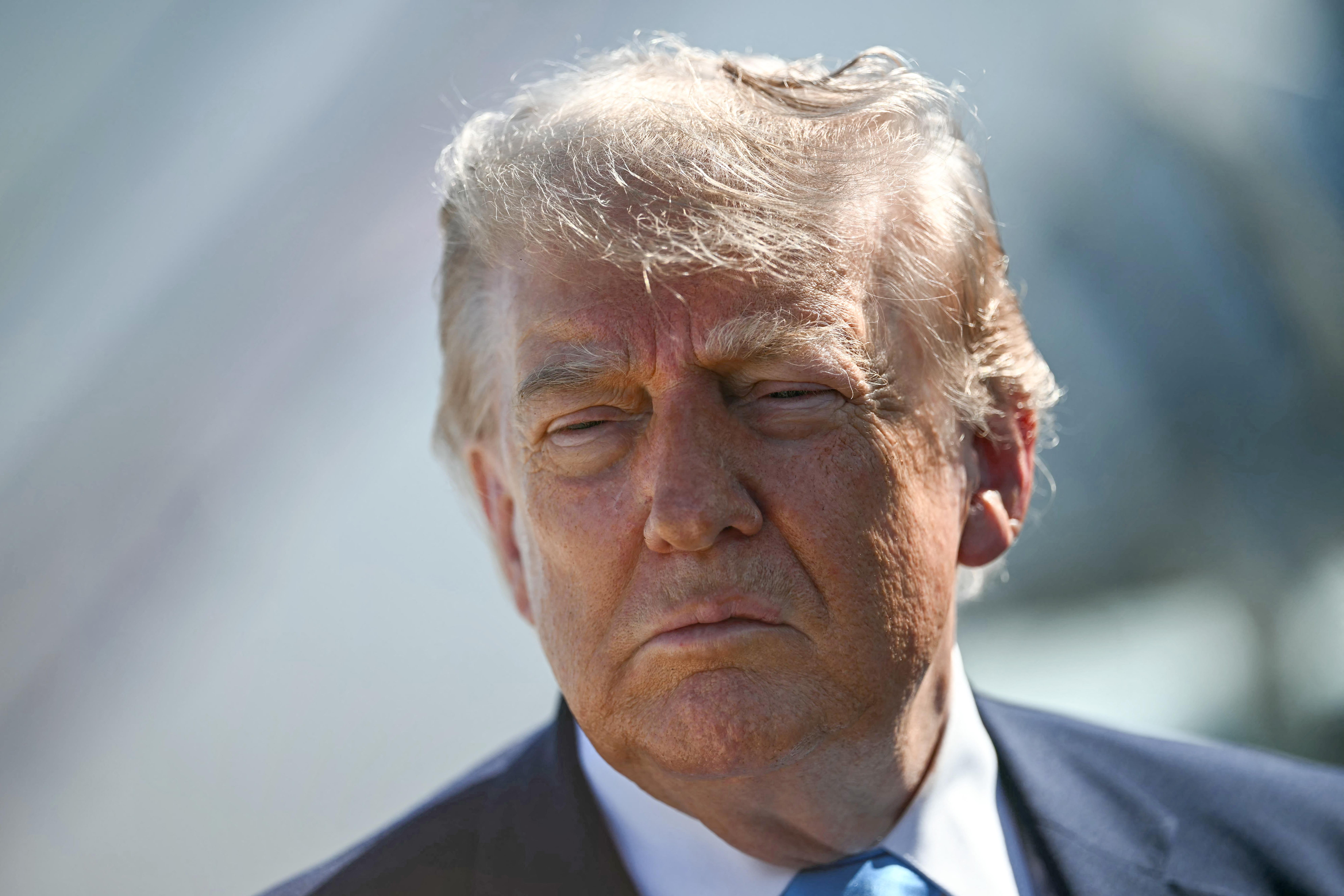
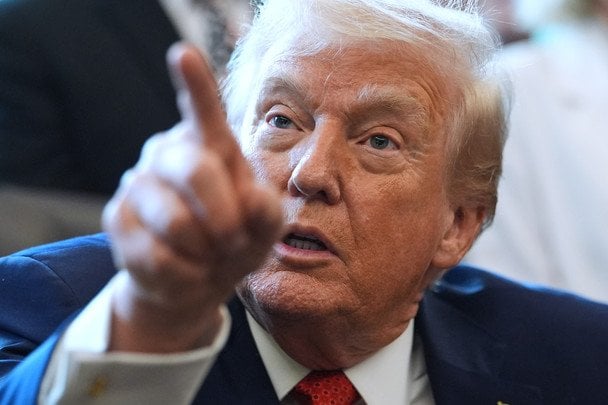
According to TSN.ua: Former U.S. President Donald Trump is proposing that nations contribute a minimum of $1 billion to secure a permanent seat on a newly established 'Peace Council.' Trump intends to serve as the Council's inaugural chairperson, a role granting him veto power over decisions made by a majority vote of member states. Each participating nation will hold one vote, but no resolution will be binding without the chair's approval.
The Council will officially become operational once three nations agree to join, with member terms lasting up to three years. Trump has already extended invitations to Argentine President Javier Milei and Canadian Prime Minister Mark Carney for a 'Gaza Peace Council.' Several European countries have also been invited to participate in the new body. This initiative appears to be an attempt to create an alternative forum for international diplomacy outside traditional structures like the United Nations.
Control Mechanisms and Potential Challenges
Israeli Prime Minister Benjamin Netanyahu has expressed concern over Trump's plans, signaling potential diplomatic friction surrounding the initiative.
Trump would retain the authority to expel nations from the Council, granting him significant control over its composition and agenda. To ensure operational efficiency, regular informal meetings of an executive board are planned at least quarterly, though these sessions will not involve voting. The Council's initial executive panel is slated to include:
- U.S. Secretary of State Marco Rubio
- Special Envoy for the Middle East Steve Witkoff
- Trump's son-in-law Jared Kushner
- Former British Prime Minister Tony Blair
The creation of the 'Peace Council' represents a U.S. effort to reinvigorate international conflict resolution, particularly in the Middle East. However, given the concerns voiced by Israel and potential disagreements among member states, the initiative may face substantial hurdles. Depending on its implementation, the Council could either evolve into a platform for constructive dialogue or become a source of new international tensions.
Read also
- U.S. Role in Zelenskyy’s Letter to Putin: Analyst Weighs In on Diplomatic Channels
- Trump Endorses a Meeting Between Zelensky and Putin: Peace Proposal Sent to the Kremlin
- AI-Driven Simulation Reveals How a US-China War Over Taiwan Could Ignite
- Trump Backs Proposal for Zelensky-Putin Meeting: What We Know So Far
- Rubio Announces $400 Million Aid Package for Ukraine: Could This Shift Russia’s Stance?
- Expanding Ukraine’s Footprint in the Middle East: Countering the Russian-Iranian Threat