Trump Extends Peace Council Invitation to Putin and Threatens Tariffs on French Wine.

Trump's Peace Council Proposal
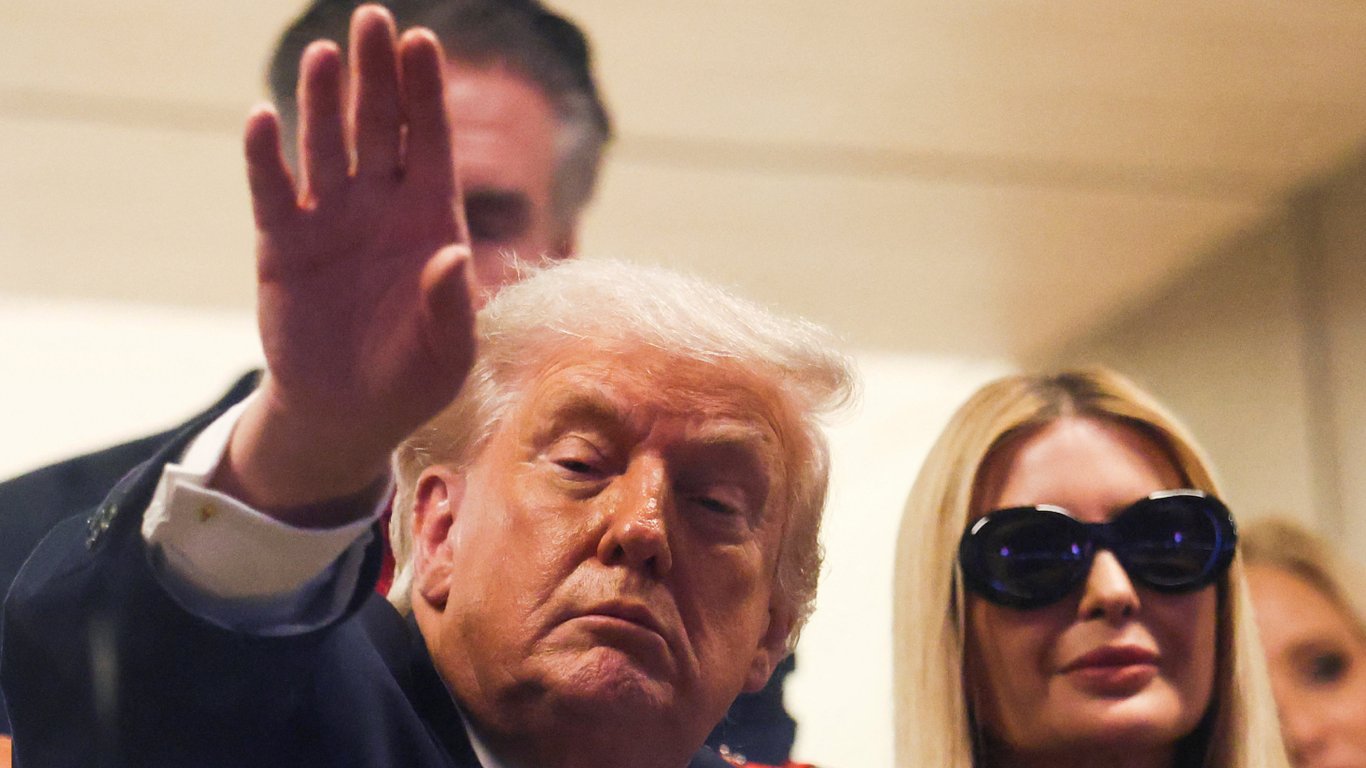
According to Novyny.live: Former U.S. President Donald Trump has confirmed his invitation to Russian President Vladimir Putin to join a Peace Council he is forming. This move comes amidst ongoing international tensions. In discussing the initiative, Trump noted that French President Emmanuel Macron does not plan to participate, but he emphasized that Macron's membership is not mandatory. This suggests Trump's aim to establish a platform for international dialogue, irrespective of the participation of specific nations.
Potential Trade Measures
In a separate but related statement, Trump declared he might impose tariffs as high as 200% on French wine and champagne. This potential action appears linked to broader trade disputes between the U.S. and France, though specific details remain unclear. Trump downplayed the fundamental importance of both the tariff issue and council participation, stating:
This is not a matter of principle. - Donald Trump
Consequently, Trump's dual focus on forming a Peace Council and threatening tariffs on French goods could become central features of his foreign policy approach. The invitation to Putin indicates a desire to strengthen ties with Russia, despite the significant strain in the bilateral relationship. Simultaneously, the tariff threat underscores his willingness to use trade as a political tool. These actions could significantly impact U.S.-European relations, potentially triggering strong reactions from European allies.
Read also
- China Challenges US Dominance in AI: Xi Jinping Proposes a New Global Body
- Why Russia Sees Turkey as a Viable Negotiation Hub: Three Key Reasons
- Trump Alleges Leak of 220 Million U.S. Voter Records, Demands Investigation
- Trump Declares Victory Over Iran as New Strikes Hit the Strait of Hormuz, Resuming War
- Over 60 U.S. Senators Back New Russia Sanctions: What's at Stake
- Turkey Emerges as Potential Venue for Zelenskyy-Putin Talks as Ukraine Signals Readiness for Ceasefire