















The Three Essential Factors for Successful Seed Germination.

The Three Essential Factors for Successful Seed Germination

Three Critical Elements for Seed Germination

According to TSN.ua: Successful seed germination is a vital first step in plant cultivation, with three primary factors determining the quality of future seedlings and the eventual harvest. These are seed quality, moisture levels, and temperature control. Mastering these elements is crucial for any gardener or farmer aiming to maximize yield.

The Key Determinants

  • Seed Quality: Seeds that were improperly harvested or stored in unsuitable conditions will typically exhibit poor germination rates. Furthermore, skipping essential pre-sowing treatments can severely compromise seed viability, leading to plants that fail to develop properly from the very start.

  • Moisture Levels: Both a deficit and an excess of water are critical concerns. Water is essential for triggering germination, making the maintenance of optimal soil moisture a fundamental requirement. Improper watering can directly cause germination failure, which then cascades into reduced crop quality and quantity.

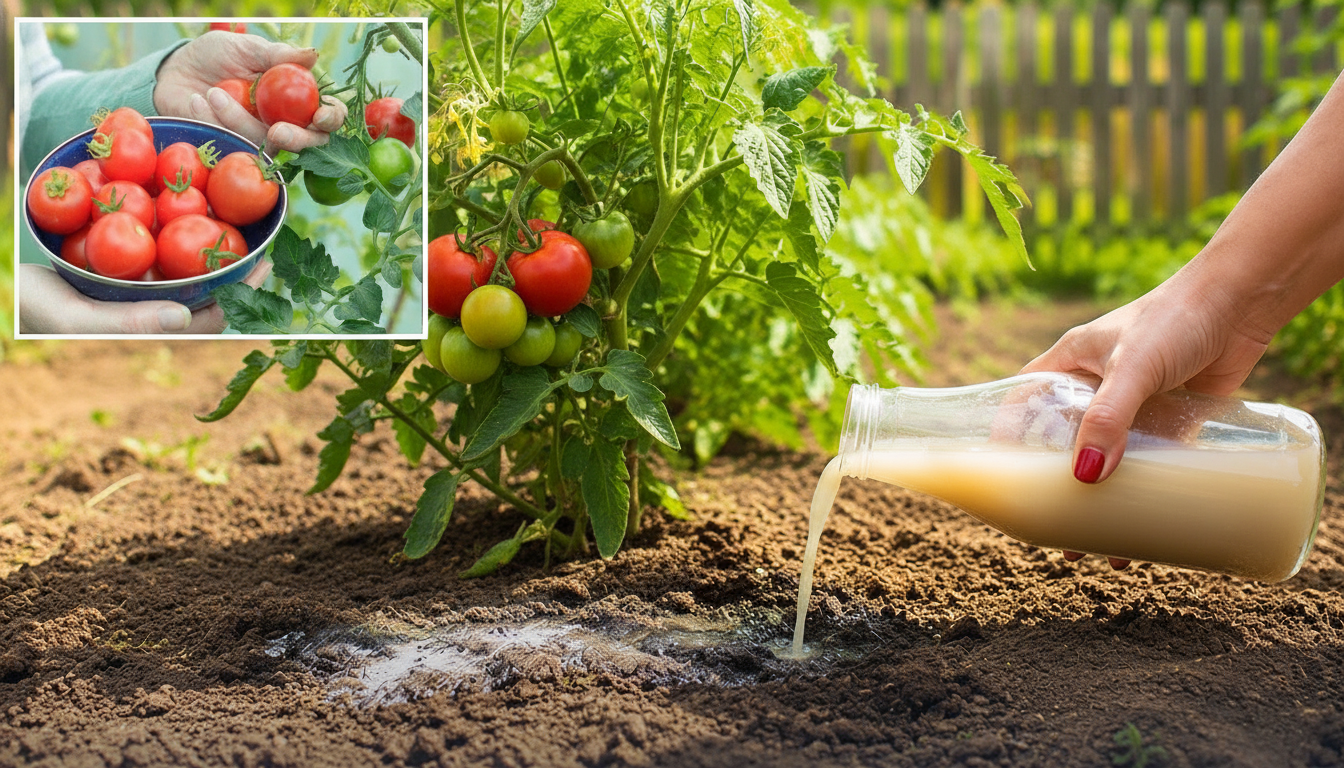
  • Temperature Control: Soil temperature profoundly influences the speed of seed germination. For instance, tomato seeds sown in soil at approximately 10 degrees Celsius may take up to twenty days to sprout. This example underscores the necessity of temperature management for timely and uniform seedling emergence.

Therefore, achieving a high yield depends on carefully managing all three factors: seed quality, optimal moisture, and correct temperature. These aspects are definitive for cultivating healthy, productive plants. For commercial growers, this process is the foundation of crop establishment and a major determinant of seasonal profitability.

Understanding and controlling these germination factors is critical for agronomists and farmers, as they directly impact agricultural productivity. In an era of climate change and increasing demands for food security, optimizing seed germination conditions has become a key strategy for ensuring yield stability. This highlights the ongoing importance of scientific research in developing new cultivation methods and technologies.


Read also

Advertising