4,000 Apartments in Mariupol Declared Ownerless: 2,000 Already Reassigned to New Occupants.

The Housing Crisis in Mariupol
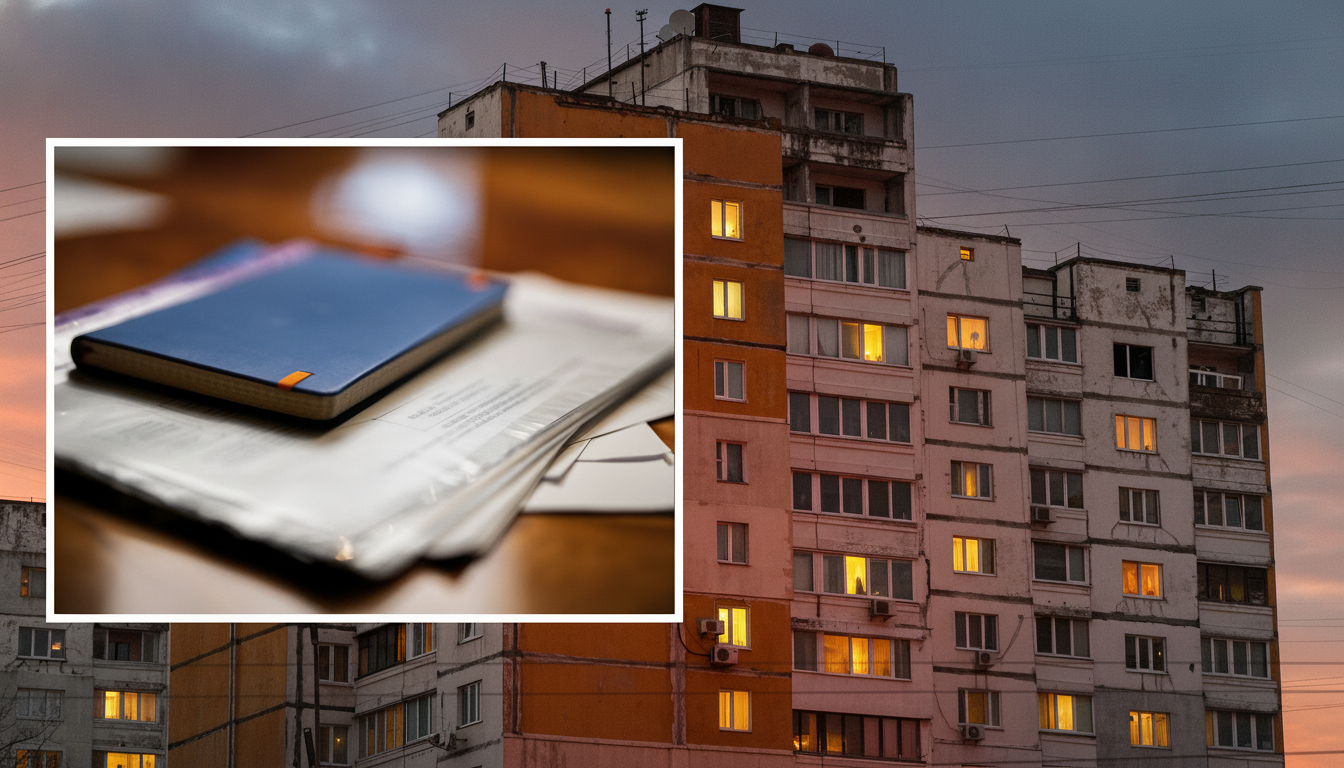
According to Novyny.live: In Mariupol, the Russian-installed administration has classified roughly 4,000 apartments as 'abandoned,' with about half of them—2,000 units—already handed over to other individuals. This move has created severe hardships for legitimate property owners, who are barred from returning to their homes due to entry restrictions imposed by Russia. Experts point out that housing remains one of the most painful issues for residents of occupied Mariupol, as the city's pre-war population of nearly half a million has been drastically reduced.
According to statements from Vadym Pikuz, as of early 2026, approximately 5,000 people have managed to enter the occupied territory. However, at the checkpoint in Sheremetyevo, Ukrainian citizens are being systematically denied entry to these areas. Entry bans range from 20 to 50 years in duration, making it virtually impossible for owners to reclaim their properties.
Causes and Consequences
The reasons why legal property owners cannot protect their homes in Mariupol stem from the lack of a legal avenue to register their ownership rights, combined with systematic refusals to allow them into the occupied territories. Vadym Pikuz notes that
“many legal homeowners are unable to return to the city or re-register their apartments because of restrictions imposed by Russia.”
As for who the occupation authorities are moving into these Ukrainian-owned apartments, it is known that 2,000 'abandoned' units have already been reassigned, but details about the new residents have not been disclosed. Overall, the situation in Mariupol remains tense, with countless people losing the ability to return to their homes while their properties are used without consent from the rightful owners.
Thus, the housing issue in occupied Mariupol continues to be a pressing problem that demands urgent resolution, as the rights of legal owners remain unprotected and access to the territory grows increasingly difficult.
The housing situation in Mariupol illustrates broader challenges related to property rights and the humanitarian crisis in the region. With many people unable to access their homes, this not only undermines their legal rights but also fuels social tensions among residents. Under prolonged occupation, such actions could have long-term consequences for the city's recovery once the conflict ends.
Read also
- Ex-Commander of the 155th Brigade Suspected in Kidnapping and Murder of Two Brothers in Kyiv Region
- Forgiveness and Guilt: The 200,000 Ukrainians in Poland’s Army and the Tragedy of 1943
- Russian Attacks on Ukrainian Hospitals Are a Deliberate Strategy, Says Doctors Without Borders
- A Safe Learning Hub for 260 Children Opens in Pisochyn: Inside the New Facility
- Ukraine's Greatest Injustice, According to Portnikov: How Society Treats Its Soldiers and the Lack of Rotation
- Why Veterans Describe the Process of Getting Electronic Prosthetics as 'Hell'