Drone Strike on Oil Refinery in Russia: Key Processing Units Halted.

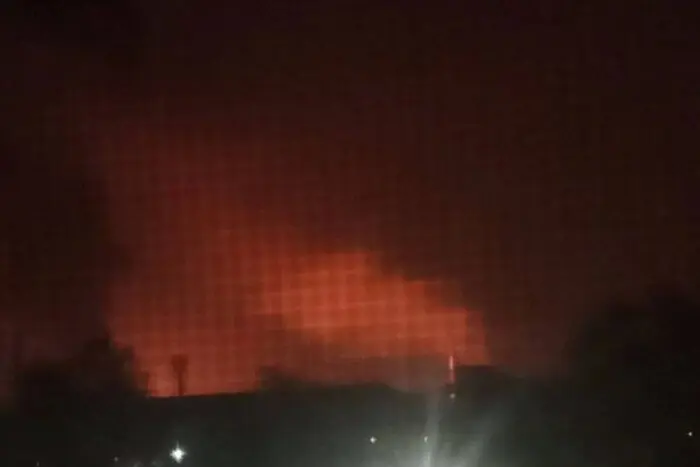
Oil refinery in Russia halted due to drone attacks
According to inkorr.com: On Sunday, October 19, the oil refinery in Novokuybyshevsk, owned by the 'Rosneft' company, suspended its operations due to drone attacks. This was reported by 'Glavkom', citing Reuters.
As a result of the attack, the oil distillation unit CDU-11, with a capacity of 18,900 tons per day, equivalent to approximately 138,540 barrels, ceased operations. Another unit, CDU-9, also stopped working on the same day.
This is not the first instance of the refinery halting primary oil processing due to drone strikes; such a situation occurred last month as well. They plan to resume operations in early November. According to experts, this year the refinery processed 5.74 million tons of oil, producing 1.10 million tons of automotive gasoline, 1.64 million tons of diesel fuel, and 1.27 million tons of fuel oil.
Recall that the General Staff of the Armed Forces of Ukraine confirmed the strikes on two large enterprises in the territory of the Russian Federation, as well as a fuel and lubricants warehouse in temporarily occupied Berdyansk. All attacks were carried out on the night of October 19.
Explosions and a fire were recorded at the Novokuybyshevsk oil refinery in the Samara region. Preliminary reports indicate that the primary oil processing units (ELOU AWT) were affected.
As a result of the drone attack, the operations of the primary oil processing units at the Novokuybyshevsk refinery have been stopped, which may lead to fuel supply issues. Information about the explosions and fire at the refinery has been confirmed, and they plan to restore operations in the near future.
This situation indicates increasing risks for Russia's oil infrastructure amid ongoing military actions. Attacks on refineries could have serious consequences not only for fuel supply within Russia but also for the global energy market, where any disruptions can impact prices and supply stability.
Read also
- Three Ukrainians Without Documents Rescued from Occupied Territories Under Bring Kids Back UA Initiative
- Ukraine’s first underground kindergarten opens in Kharkiv, accommodating 260 children
- Ukraine's ports crippled by Russian strikes: 28 vessels hit, 21 killed
- 24 Children Rescued from Occupied Territories by Save Ukraine, Including Injured 13-Year-Old Anhelina
- Woman Faces Up to 7.5 Years in Prison After Attacking Children for Speaking Ukrainian in Poland
- One of the Most Recognizable Voices on Ukrainian Radio, Journalist Oleksandr, Has Passed Away