A New Trade Pact Reshapes a Market of Two Billion: The EU-India Free Trade Agreement.

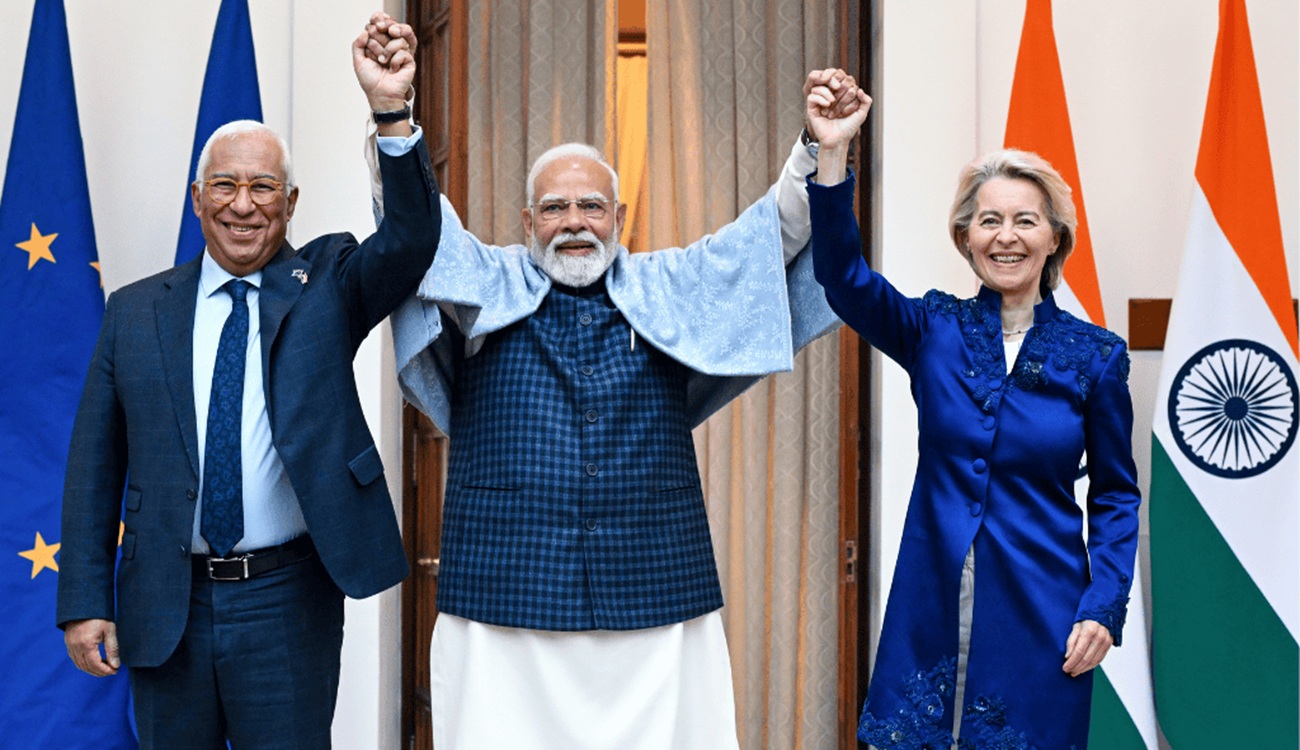
The EU-India Free Trade Agreement
According to UATV: On January 27, 2023, the European Union and India signed a landmark free trade agreement with the potential to transform a combined market of two billion people. While the pact still requires ratification by the European Parliament and India, its anticipated impact is already generating significant discussion. This deal is expected to slash tariffs and unlock new export and import opportunities between the two economic regions. European exports to India are projected to potentially double by 2032 as a result.
Annual trade in goods and services between India and the EU already exceeds €180 billion. A key provision of the agreement will see tariffs on European cars imported into India drop dramatically from 110% to 10%, which is likely to boost automotive trade. With a Gross Domestic Product of $3.5 trillion, India is a major and growing force in the global economy. Furthermore, trade with India currently supports an estimated 800,000 jobs within the European Union.
Significance and Leadership Perspectives
Leaders from both sides have emphasized the strategic importance of this accord. Indian Prime Minister Narendra Modi stated:
'This agreement will open a multitude of opportunities for 1.4 billion Indians and millions of people across Europe.' - Narendra Modi
European Commission President Ursula von der Leyen added: 'We are creating a market of two billion people.' Portuguese Prime Minister António Costa also highlighted the strategic partnership between the EU and India in an era of global transformation.
Commenting on broader global challenges, expert Scott Bessent noted that 'Europeans have signed a trade deal with India, and, for clarity, Russian oil is going to India, being refined there, and then the petroleum products are entering the market.' The EU-India agreement holds the potential to strengthen economic ties and forge new business opportunities for both regions. This deal arrives at a time of significant realignment in global supply chains and trade relationships.
The EU-India Free Trade Agreement could mark a pivotal step in deepening economic relations, leveraging the vast market potential on both sides. The reduction of customs duties, particularly on automotive products, is poised to stimulate bilateral trade and increase investment, which would positively affect employment and economic growth. Amidst global challenges and shifts, this pact underscores the critical importance of a strategic trade and economic partnership between India and the European Union.
Read also
- The Vanishing Act of Foreign Firms at Russia’s Premier Economic Forum: How the SPIEF Has Transformed
- India Agrees to Halt Russian Oil Purchases in Deal Struck by Trump and Modi
- India's Strategic Pivot: Cutting Russian Oil Imports While Sealing a Major EU Trade Deal
- Drone Attack on Putin’s Residence: What is Known About the Kremlin's Fake and Moscow's True Goals
- China calls on conflict parties to refrain from escalation: what was said in Beijing
- India Deeply Concerned About Attack on Putin's Residence: What Modi Said