Hungarian Officials Arrive in Ukraine Without an Official Invitation: Details of the Unannounced Visit.

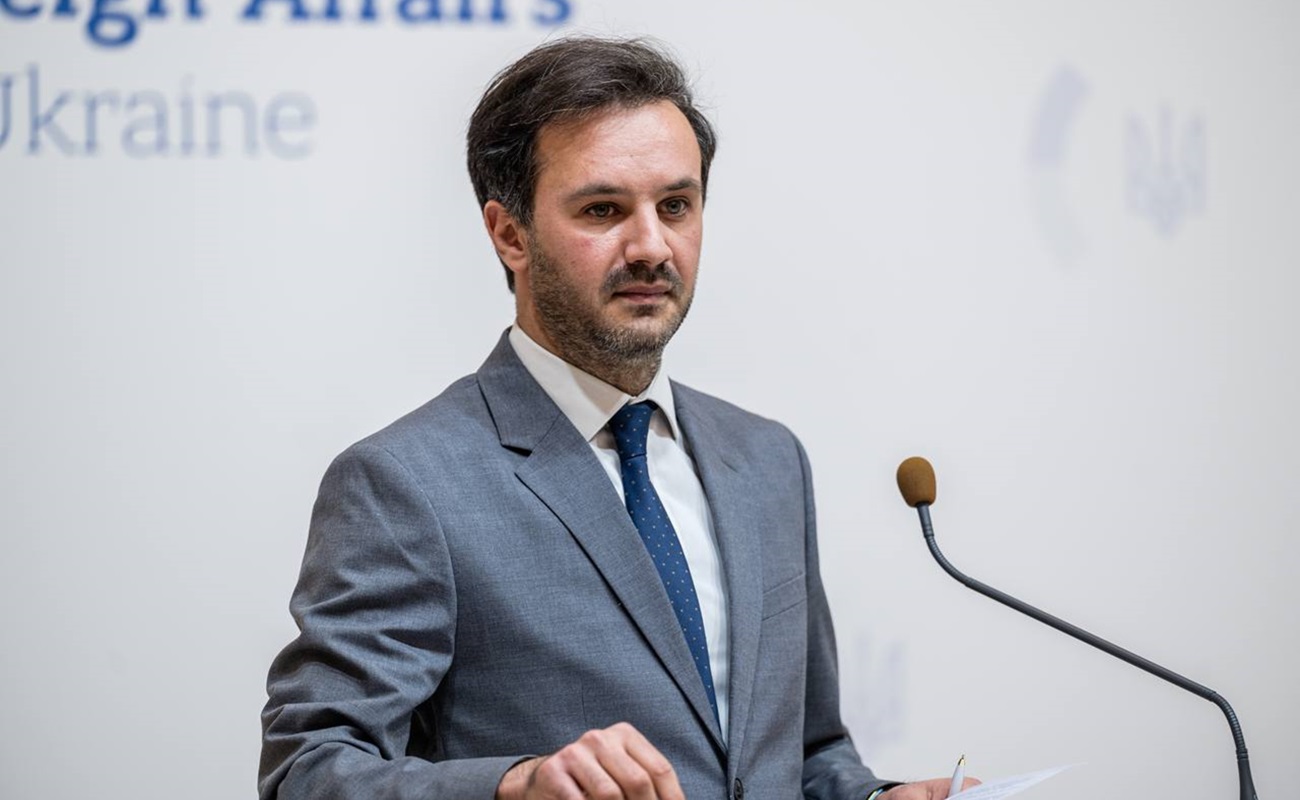
Hungarian Citizens' Visit to Ukraine
According to UATV: A group of Hungarian citizens entered Ukraine on March 11 without holding any official status or having scheduled meetings with Ukrainian authorities. Georgiy Tykhyi, a spokesperson for Ukraine's Ministry of Foreign Affairs, confirmed this, noting that the individuals crossed the border under the general rules applicable to citizens of the Schengen Area.
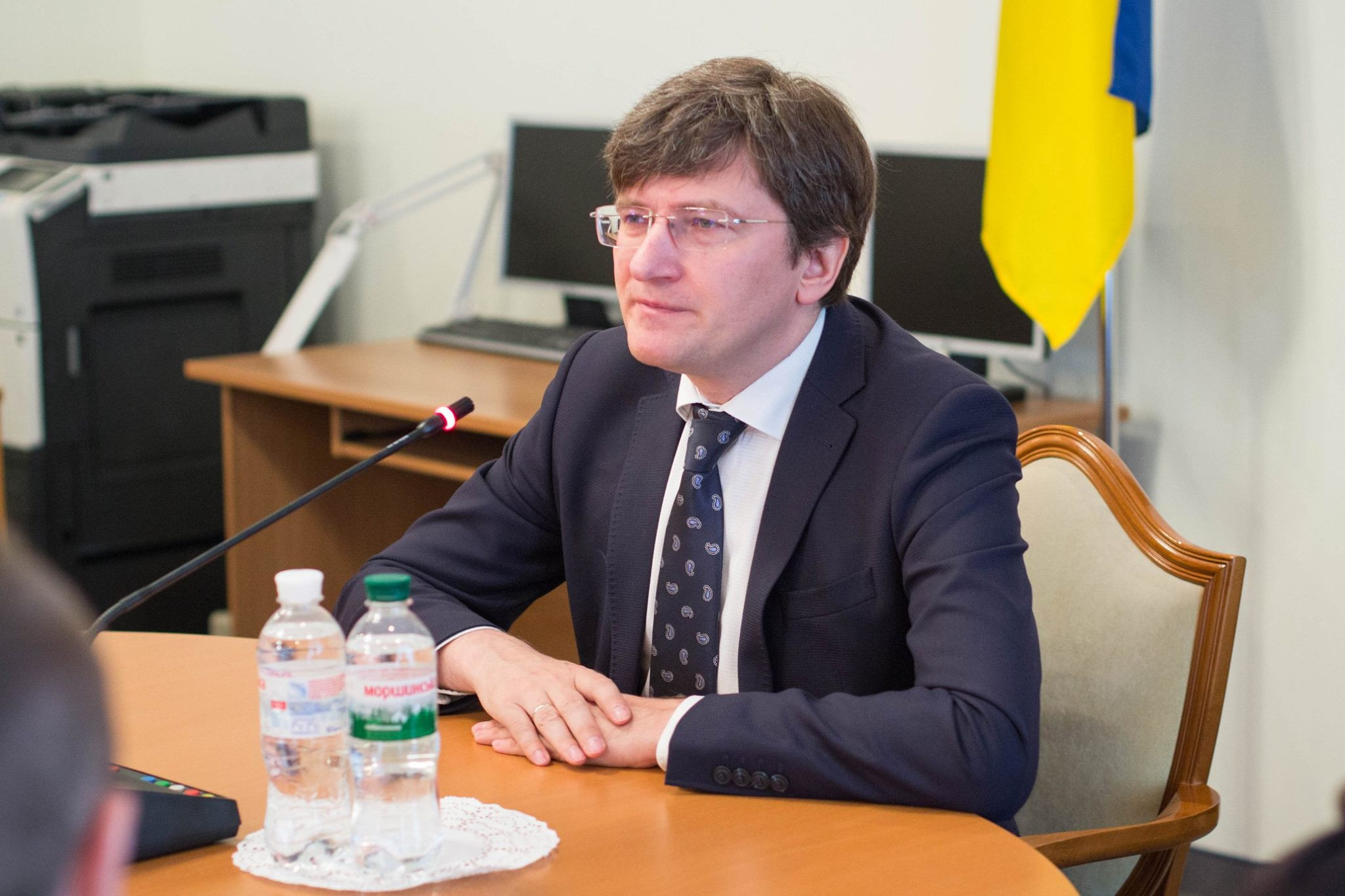
At the border crossing, Gábor Czepek, a State Secretary of Hungary's Ministry of Energy, expressed an intention to hold talks with Ukrainian officials. However, Georgiy Tykhyi stated,
'This group of individuals does not have official status or any scheduled official meetings on the territory of Ukraine, so it is absolutely incorrect to call them a 'delegation.''This indicates their visit is informal and not part of any formal consultations.
The Energy Security Context
Under Ukrainian law, foreigners may stay in the country provided they comply with relevant regulations, a rule that applies to these Hungarian citizens. This visit occurs against a backdrop of regional energy security concerns. Notably, in late January, Russia struck the 'Druzhba' oil pipeline in the Lviv region, damaging equipment, an incident that alarmed Ukrainian and European officials as reported by Ukraine's Energy Minister Denys Shmyhal.
Both Hungary and Slovakia have expressed an intent to send a monitoring mission to the site of the pipeline damage, highlighting the shared regional focus on energy infrastructure security. Thus, despite the unofficial nature of the Hungarian visit, the situation remains complex, with future actions likely influenced by developments in the energy and security spheres.
The arrival of the Hungarian citizens, while unofficial, points to heightened attention on energy security issues in Central Europe. In the context of the recent attack on the 'Druzhba' pipeline, Hungary, alongside Slovakia, is seeking to monitor the situation directly. This underscores the importance of regional cooperation among Central European nations in responding to threats arising from military conflict and geopolitical shifts.
Read also
- Ukraine Secures 28 Energy Deals Worth €2 Billion: What This Means for the Country
- Ukraine Signs 28 Energy Deals in Gdańsk, Securing Nearly €2 Billion for Recovery
- How Ukraine’s FPV Drones Are Taking Down Russian UAVs in Combat
- How Trump’s Stance Shifted as G7 Nations Ramp Up Military Aid to Ukraine
- Ukraine to Retake More Land Than Russia Has Seized This Year, Says PM Shmyhal
- EBRD Funding Powers Ukraine’s Energy Revival: Sector Needs $91 Billion