A New Security Pact Between the U.S. and Ukraine: How It Differs from the Budapest Memorandum.

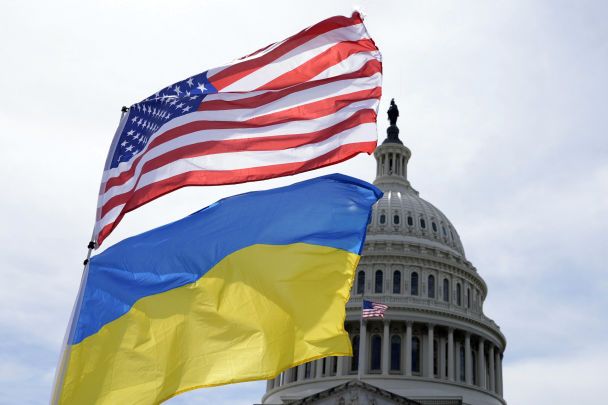
U.S. Security Guarantees for Ukraine
According to TSN.ua: The United States and Ukraine are finalizing a bilateral security agreement, a pact that is fundamentally different from the 1994 Budapest Memorandum. On January 25, Ukrainian President Volodymyr Zelenskyy announced the agreement was 100% complete. However, for it to take effect, it must be ratified by the U.S. Congress. This process underscores the formal, binding nature of the new agreement, moving beyond the political assurances of the past.
On February 10, U.S. Permanent Representative to NATO, Matthew W. V. Witek, stated that the security pact with Ukraine would only be signed when it contributes to a peace process. Expert Georgiy Tykhyy emphasized the significance, noting that
"the security guarantees are practically ready for signing."At the same time, Andriy Sybiha stressed the need for a clear understanding of
"all the parameters of the future security guarantees."
Discussions on the U.S.-Ukraine agreement are ongoing, with the key outstanding steps being the formal signing of the document and its subsequent approval by the American legislature.
The Significance of the Agreement
This security guarantee agreement is critically important given the ongoing geopolitical challenges Ukraine faces. Its signing and ratification would strengthen international support for Ukraine, particularly in the context of the prolonged conflict with Russia. For context, the Budapest Memorandum provided vague security assurances in exchange for Ukraine giving up its nuclear arsenal, whereas this new deal is expected to outline more concrete, long-term commitments. However, as experts have noted, the success of this process depends on the political climate in the United States and the willingness of the U.S. Congress to endorse these initiatives.
Read also
- Kyiv Drone Strike on June 15: Zelenskyy Confirms 4 Dead and 35 Wounded
- Zelensky Responds to Kyiv Strikes and Monastery Fire: Presidential Statement Highlights Absurdity of Attack
- Government Funding Announced After Zelenskyy Visits Drone-Struck Kyiv Monastery
- Ukraine Blamed for Attack on Lavra; Air Force Spokesman Points to Real Culprit
- Ukraine Triggers UNESCO Procedures After Russian Strike on Monastery: Damage Assessment Unveiled
- Trump threatens 100% tariff on French wine unless digital tax on US firms is scrapped