Reconciliation Between Ukraine and Poland: Why Mutual Acknowledgment of Historical Pain Is Essential.

Examining the Ukrainian-Polish Historical Dialogue
According to Espreso.tv: An analysis of Ukrainian-Polish historical dialogue highlights the critical need for both nations to recognize each other's memories and foster mutual respect. In July 2003, Ukrainian President Leonid Kuchma and Polish President Aleksander Kwaśniewski signed a joint declaration 'On Reconciliation on the 60th Anniversary of the Tragic Events in Volhynia.' This milestone marked a significant step forward in bilateral relations and demonstrated a shared commitment to healing old wounds.
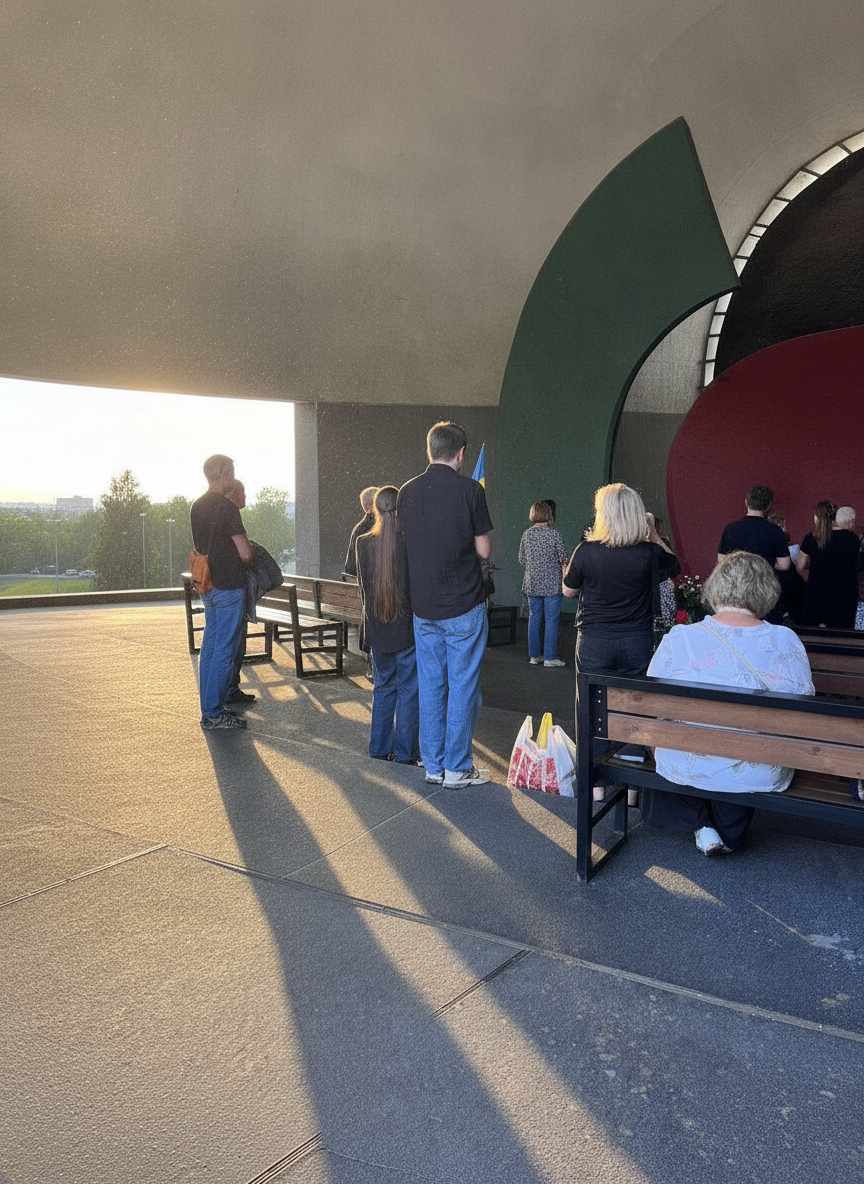
A key achievement in this effort was the inauguration of the memorial to Polish-Ukrainian reconciliation, titled 'Memory — Mourning — Unity.' The monument embodies a collective remembrance of the tragedies endured by both peoples. Within the context of Ukrainian historical memory, Operation Vistula also stands out—a chapter that continues to provoke public debate in both Ukraine and Poland.
Mutual Respect and Shared Remembrance
During these discussions, acknowledging the pain of each nation remains paramount. As an unidentified author stated: 'We recognize the pain of the Polish people, but we expect the same attitude toward Ukrainian pain.' This sentiment underscores the necessity of reciprocal respect in the process of historical dialogue.
Among the sites that have become emblematic in Ukrainian-Polish relations are:
- Pawłokoma
- Sahryń
- Verkhovyna
- Zavadka Morokhivska
These locations carry deep historical significance and bear witness to the intertwined past of both nations.
Thus, the Ukrainian-Polish historical dialogue continues to evolve, emphasizing the importance of mutual understanding and recognition of each side's memory. Mutual respect and a willingness to engage in open discussion about historical events can serve as a foundation for further reconciliation between Ukraine and Poland.
This ongoing dialogue between Ukraine and Poland represents a vital step for both peoples in comprehending their shared history and overcoming past traumas. Acknowledging each side's pain and memory can strengthen bilateral ties and create a conducive environment for a common future. The development of memorials and initiatives focused on reconciliation reflects the determination of both countries to find common ground and build lasting relationships based on mutual respect.
Read also
- Could a New Pope or Aleksander Kwaśniewski Mediate Ukraine-Poland Tensions?
- Why Zelenskyy Was Stripped of the Order of the White Eagle: Investigation Uncovers a Coordinated Campaign Against Ukraine
- Ukraine’s Presidents and Nation-Building: Are Their Contributions Fairly Recognized?
- Former Polish PM Sparks Diplomatic Row by Donating High Ukrainian Award to Volyn Tragedy Museum
- Why Ukraine’s Constitution Was Adopted on June 28, 1996, and the Challenges Behind It
- Adopted After a 24-Hour Session: Ukraine's Constitution Passed on June 28, 1996