







How a Strategic Decision to Abandon Huliaipole Led to Gains for Ukrainian Forces in Dnipropetrovsk Region.

Ukrainian forces successfully withdrew from Huliaipole

Ukrainian Forces Score Tactical Wins in Dnipropetrovsk Region

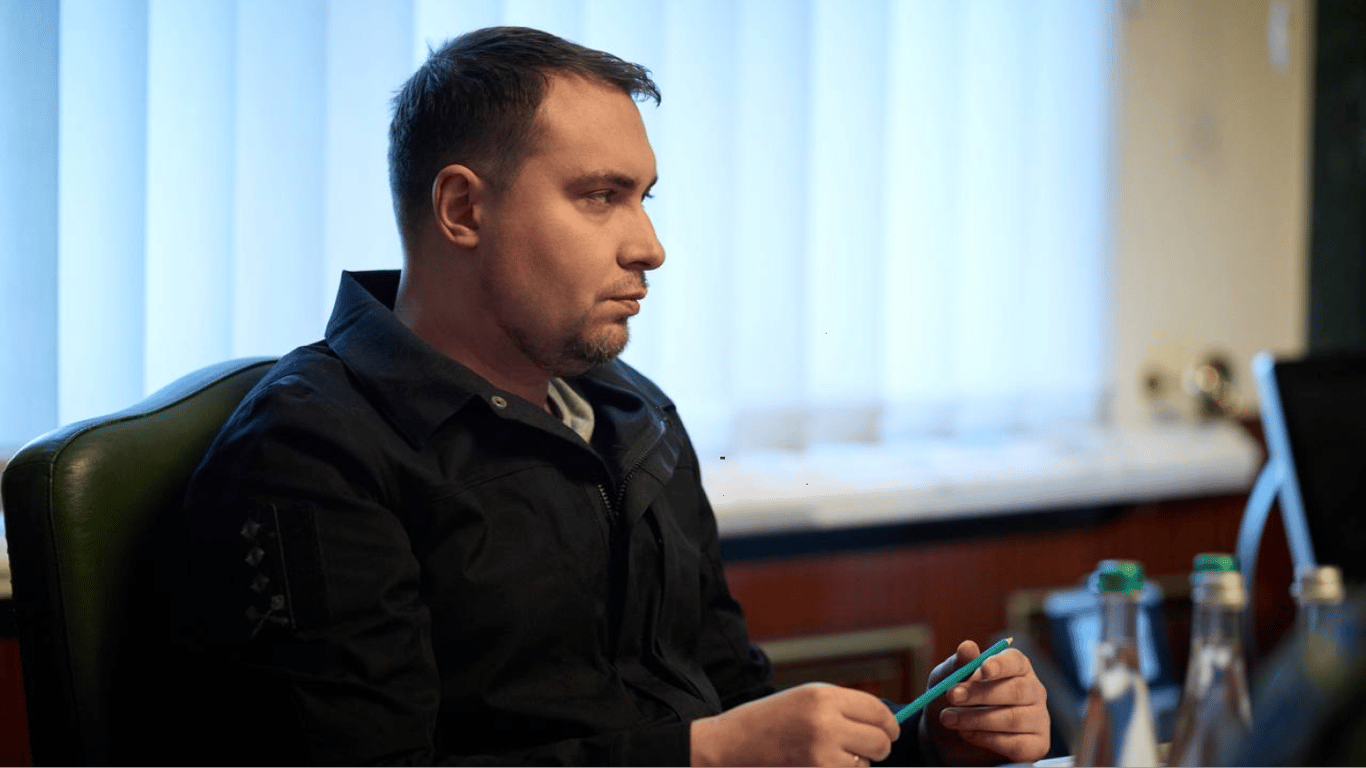
According to TSN.ua: The success of the Ukrainian military’s offensive in the Dnipropetrovsk region stems from a calculated move: rather than pouring resources into recapturing Huliaipole, commanders redirected troops to strengthen their overall position. Colonel Dmytro Filatov, call sign 'Perun,' who leads the 1st Separate Assault Regiment, confirmed that this decision—approved by Ukraine’s Commander-in-Chief Oleksandr Syrskyi—was a pivotal factor in achieving favorable outcomes on the battlefield.

A Shift in Strategic Focus

By late 2025, Huliaipole had largely fallen under enemy control, becoming a focal point in Ukrainian operational planning. In early March, Filatov reported that the town was nearly fully occupied. However, the choice to avoid committing personnel to retake it proved wise, even though the situation looked grim.

“We got results in the Dnipropetrovsk region because the commander-in-chief agreed not to waste resources or lives on reclaiming Huliaipole,” said Dmytro Filatov.

By reallocating military assets, the Armed Forces of Ukraine (AFU) liberated nine settlements by late March and regained control over 440 square kilometers of territory along the border between Dnipropetrovsk and Zaporizhzhia regions. Filatov stressed that 'Huliaipole was not abandoned,' noting that Ukrainian troops continue to monitor and manage the situation there.

While initial plans for Huliaipole were different, this strategic pivot—combined with successful offensive operations—forced the enemy to pull units from the Pokrovsk axis and redeploy them. This demonstrates how effectively Ukraine’s forces are adapting to shifting frontline conditions.

In short, foregoing a direct assault on Huliaipole unlocked new opportunities for the AFU in the Dnipropetrovsk region, enabling further advances and strengthening their hold on vital areas. These achievements highlight the military’s capacity for strategic planning and rapid adjustment in a dynamic war environment.

The recent gains underscore the value of flexibility and long-term thinking in modern warfare. By choosing not to fight for Huliaipole immediately, Ukrainian commanders preserved their strength and ultimately secured broader territorial gains. This approach reflects the high command’s ability to adapt quickly and use resources effectively under constantly changing combat conditions.


Read also

Advertising