HIV and Hepatitis Epidemic in the Russian Army: Why the Sick Are Not Withdrawn from the Front.

Epidemic in the Russian Army
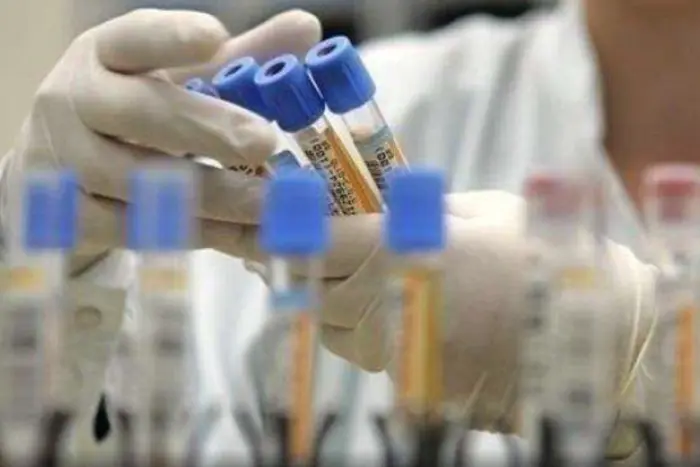
According to inkorr.com: Experts note that hepatitis B and C, as well as HIV, have become a serious problem in the Russian army, turning into a real epidemic. Thousands of Russian soldiers with these diagnoses continue to participate in combat operations against Ukraine. The ways of infection are diverse: from drug use to the shared use of syringes in medical institutions.
This was reported by Radio Liberty, as conveyed by 'Glavkom'.
Military personnel with these diseases are not sent for treatment; they remain at the front despite a ban on similar practices from the Russian Ministry of Defense. By the end of 2024, there were 1,215,145 individuals with confirmed HIV-positive status in Russia. The HIV prevalence rate reached 831.8 cases per 100,000 population, and the number of infected soldiers increased 20 times compared to pre-war figures.
Increased Risk of Infection
Experts point out that the risk of sexually transmitted infections among military personnel in peacetime is 2-5 times higher than that of the civilian population, and in wartime conditions, this risk can increase even further. Among the causes of infection spread are the shared use of drugs, homosexual relationships, contacts with representatives of the sex industry, and the possibility of infection in medical facilities on the battlefield.
Earlier, 'Glavkom' reported that British intelligence studied the state of medicine in the Russian army. According to the UK Ministry of Defence, the Ukrainian army has serious problems with medical assistance at all levels.What is happening in the Russian army indicates serious problems - an uncontrolled epidemic of hepatitis and HIV among the military. Service members with these diseases remain at the front, creating a high risk of infection transmission to other fighters. It is particularly emphasized that in wartime conditions, the likelihood of transmitting sexually transmitted infections significantly increases.
Read also
- Three Ukrainians Without Documents Rescued from Occupied Territories Under Bring Kids Back UA Initiative
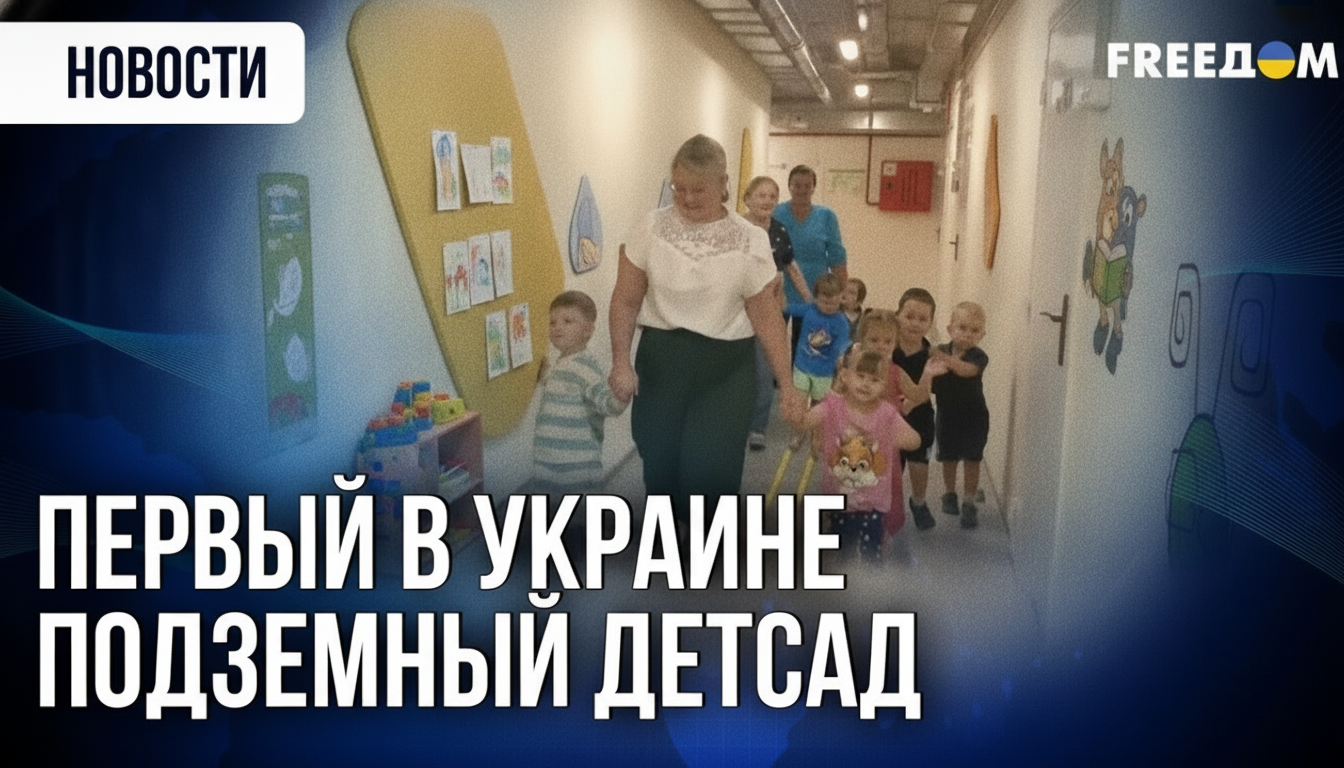
- Ukraine’s first underground kindergarten opens in Kharkiv, accommodating 260 children
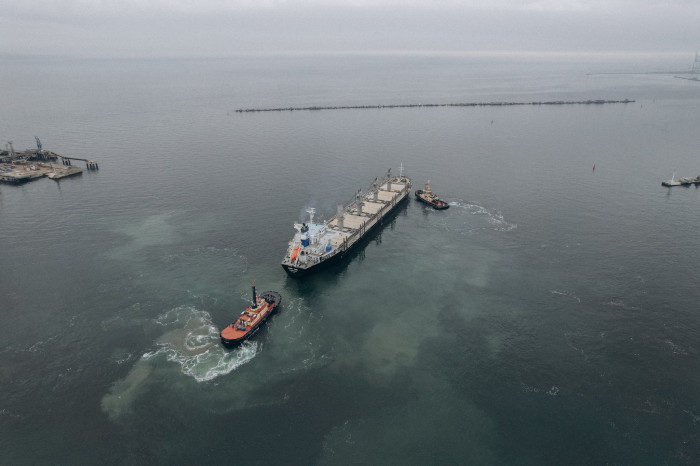
- Ukraine's ports crippled by Russian strikes: 28 vessels hit, 21 killed
- 24 Children Rescued from Occupied Territories by Save Ukraine, Including Injured 13-Year-Old Anhelina
- Woman Faces Up to 7.5 Years in Prison After Attacking Children for Speaking Ukrainian in Poland
- One of the Most Recognizable Voices on Ukrainian Radio, Journalist Oleksandr, Has Passed Away