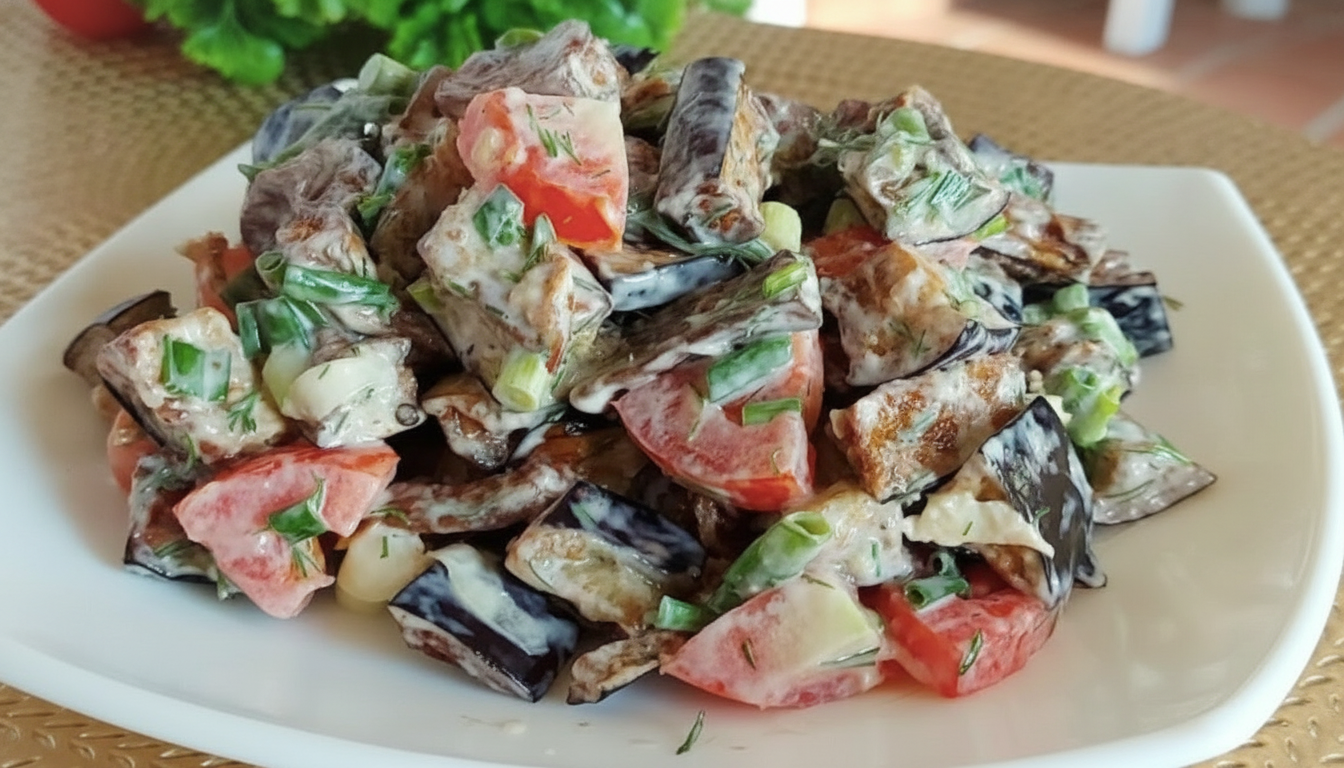

















Mediterranean diet reduces mortality after cancer by 20%: study.
According to ТСН: The study showed that people who have survived cancer and adhere to a Mediterranean diet may have a longer lifespan. This is supported by results published in the European Heart Journal.
Study Details
During the long-term observation, 269 participants died: 141 from cancer, 67 from heart diseases, and 54 from respiratory, nervous, and vascular system diseases.
When researchers looked at how closely participants adhered to the Mediterranean diet, it was found that those who followed the diet most closely had about a 15-20% lower risk of death, depending on the cause.
The Mediterranean diet has long been associated with a lower risk of heart disease and premature death. This study confirms that its benefits also apply to people who have survived cancer. Researchers noted that overall cardiovascular health, assessed by the integrated LS7 scale, closely correlates with survival after cancer.
Participants with 'ideal' cardiovascular health, defined as a score on the LS7 scale of 10 to 14, had a 38 percent lower risk of death from any cause compared to those with 'poor' cardiovascular health (a score on the LS7 scale of zero to six), after accounting for age, sex, type of cancer, cancer treatment, previous cardiovascular diseases, and social factors, the material states.
The study also showed that a one-point increase in the LS7 score is associated with a 10 percent reduction in the risk of death from cancer.
'Our study shows that a scale based on traditional risk factors for cardiovascular diseases, which have already been confirmed in the general population, can also predict better survival in people with a cancer history,' said MariLaura Bonaccio, the first author of the article and a researcher in the Department of Epidemiology and Prevention at IRCCS Neuromed.
The findings support the idea of shared biological pathways for cancer and cardiovascular diseases, known as the 'common ground' hypothesis.
During the study, blood markers related to inflammation, heart rate, and vitamin D levels were examined. These factors explained more than half of the connection between a healthy lifestyle and lower mortality:
- Low-grade inflammation accounted for about 20% of the connection between cardiovascular health and overall survival;
- Resting heart rate explained approximately 30% of the connection with mortality from all causes, as well as from cancer;
- Vitamin D levels also played an important role.
Researchers compared the results of people who survived cancer with 21,000 participants who had no history of cancer. The connection between cardiovascular health and mortality was similar in both groups, indicating the importance of the same risk factors regardless of cancer history.
However, the authors emphasize that the results do not prove a causal relationship.
'Lifestyle and cardiovascular status were assessed during the first visit of the study, on average 8.4 years after the cancer diagnosis, which means that people with a more aggressive course of the disease may not have been included in the study,' the researchers noted.
Despite this, researchers stress the importance of diet, physical activity, quitting smoking, and weight control in the long-term care of cancer survivors. They add that the findings support a more comprehensive approach to prevention and follow-up, combining cancer treatment and cardiovascular health within the framework of cardio-oncology.
Previously, it was reported that women who consume alcohol have a higher risk of developing breast cancer.
One woman shared her story, recounting how her passion for white wine at parties turned into negative consequences for her.
The data obtained highlight the importance of maintaining a healthy lifestyle, especially for people who have survived cancer. The Mediterranean diet can become an important element in their recovery, emphasizing the role of nutrition in the prevention of serious diseases. To improve overall health and long-term survival, it is vital to continue research in this area and to inform patients about the benefits of healthy habits.Read also
- New Drug Doubles Survival in Pancreatic Cancer Patients: A Breakthrough in Treatment
- Flesh-Eating Parasite Discovered in Texas for First Time Since the 1980s—What It Means for the U.S
- Bacteria on Paper Money: How Long They Survive, Warns Doctor
- Military Personnel and Veterans Eligible for Spa Stay Reimbursements: What You Need to Know
- A Powerful G3-Class Geomagnetic Storm to Hit Earth on June 5: What It Means for You
- Troops May Face Repeat Medical Boards: Key Wording in Health Certificates