Deferral Denials Lead to Draft Notices: The Struggle with Mobilization Exemptions.

Growing Difficulties in Securing Mobilization Deferrals
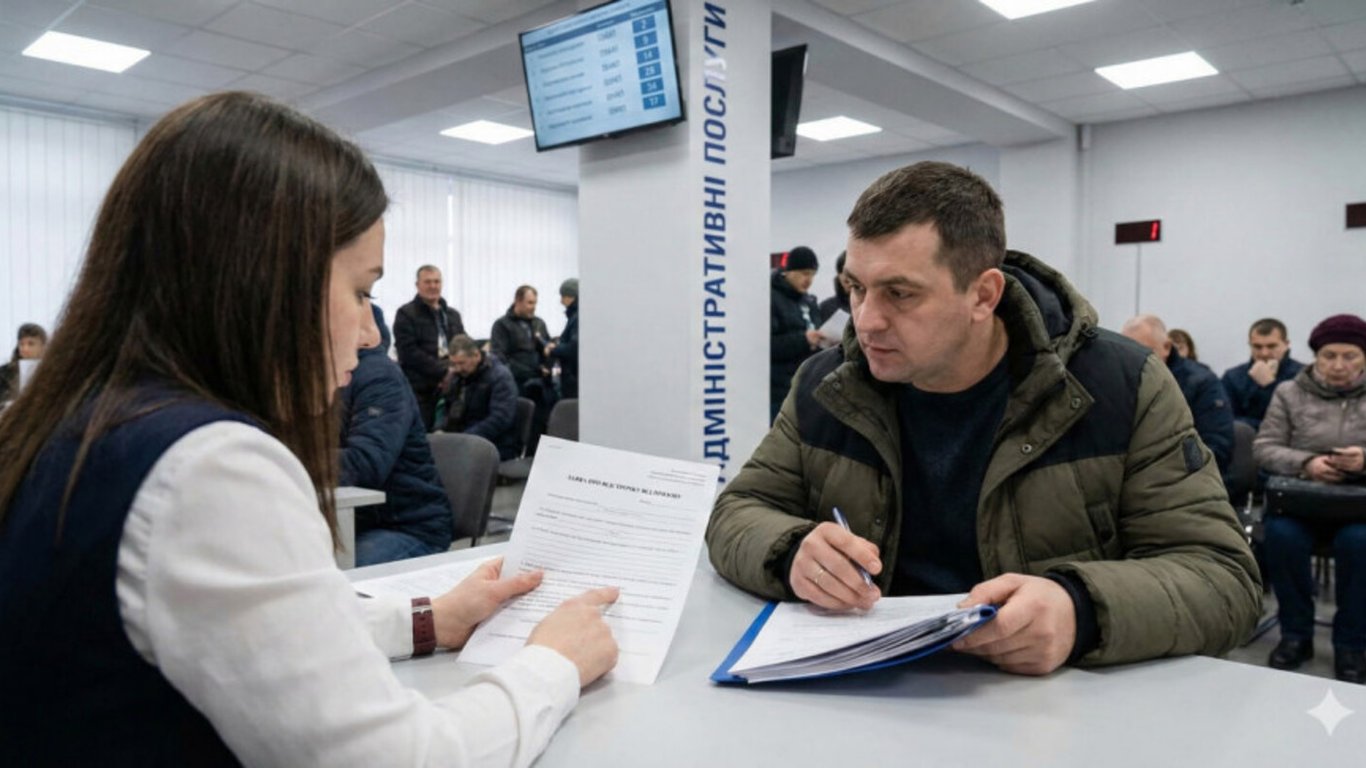
According to Novyny.live: Securing an official postponement from military mobilization is becoming increasingly problematic for many citizens. The primary reasons for rejection are incomplete documentation and administrative errors made by staff at Administrative Service Centers (ASCs). These centers were established to alleviate pressure on Territorial Recruitment and Social Support Centers (TRSSCs). However, despite this intended function, numerous individuals face significant hurdles when trying to obtain a confirmed deferral.
Those who are denied a deferral are subsequently issued mobilization summonses. This development is causing widespread concern, as many applicants had expected their submitted paperwork to be approved. The ongoing conflict has made the deferral process a critical and urgent matter for eligible men and their families.
Polina Marchenko, an ASC administrator, noted: 'A person comes in expecting to receive confirmation of their deferral, but instead gets a written refusal—and immediately afterward, a mobilization summons.'
One major cause for refusal is an insufficient set of documents submitted for processing. ASC administrators are only authorized to accept documents that are explicitly listed in the relevant government decree or those physically presented by the applicant. This creates additional complications for individuals who are not fully aware of the precise list of required paperwork.
Furthermore, it is important to note that providing care for a stepfather or stepmother does not grant exemption from the draft. Additionally, students under the age of 25 remain eligible for mobilization, highlighting the scope of this issue for younger citizens.
The Critical Need for Clear Communication and Document Preparation
Given that these challenges have become commonplace, paying meticulous attention to detail when submitting an application is essential to avoid rejection and the subsequent complications of a mobilization order.
The current situation underscores the vital importance of clear communication and accessible information for the public. Thorough preparation of documents and a complete understanding of all requirements are key to successfully navigating the deferral confirmation process. Since mobilization affects broad segments of the population, particularly the youth, additional initiatives are needed to simplify procedures and increase transparency. Such measures could include:
- Launching public information campaigns;
- Organizing educational seminars for citizens.
Read also
- Real Combat Readiness: How the National Guard's 'Scythian' Brigade Trains Its New Recruits
- Poetry, Music, and Remembrance: Honoring Olena Teliha at Babyn Yar
- Population of Donbas Drops by One-Third Over a Decade: Russia's Demographic Devastation
- Two Men Arrested in Poland for Beating a Local Who Defended a Ukrainian Teen
- Teacher Fined in Ukraine for Using Russian in Classroom: Here’s What Happened
- Ukraine's Security Service Dismantles Fake Job Scheme for Draft Dodgers: Hundreds of Exemptions Sold for $5,000 Each