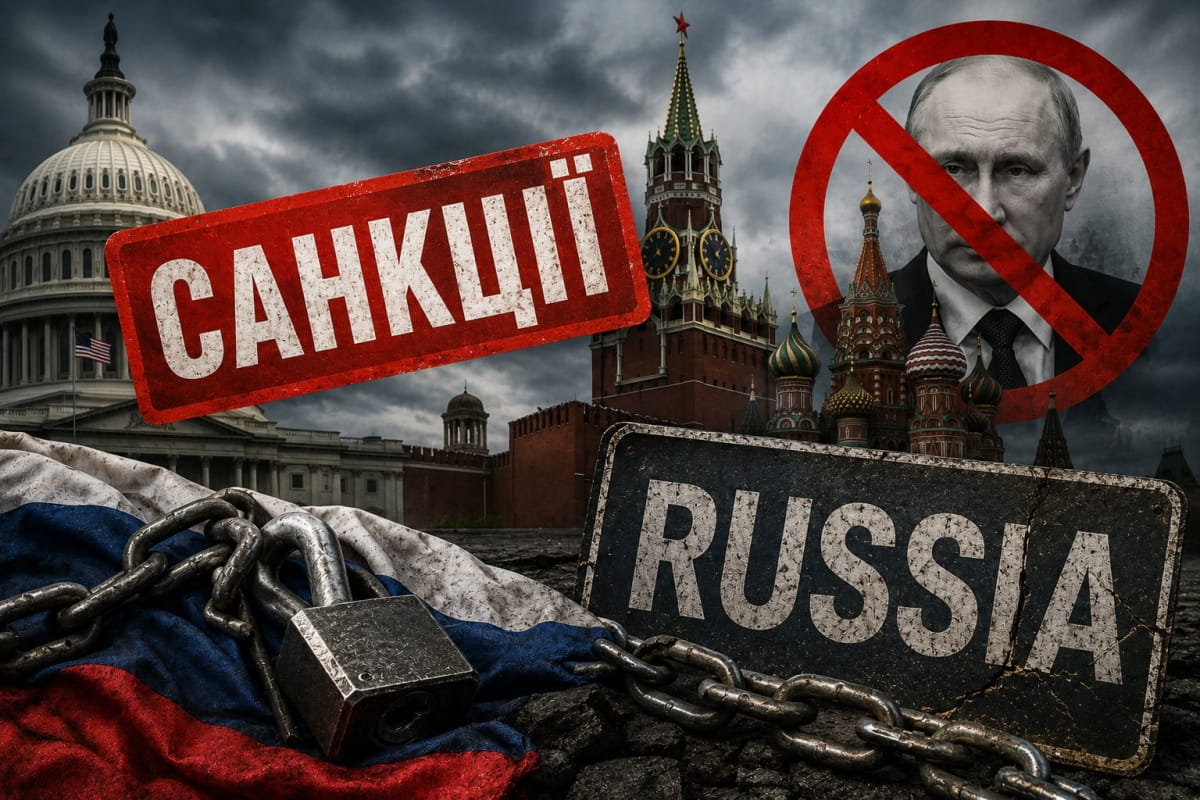
How the Kremlin Exploits Middle East Conflict to Undermine the West and Aid Its War in Ukraine.

The Interconnected Conflicts: Russia's War and the Middle East
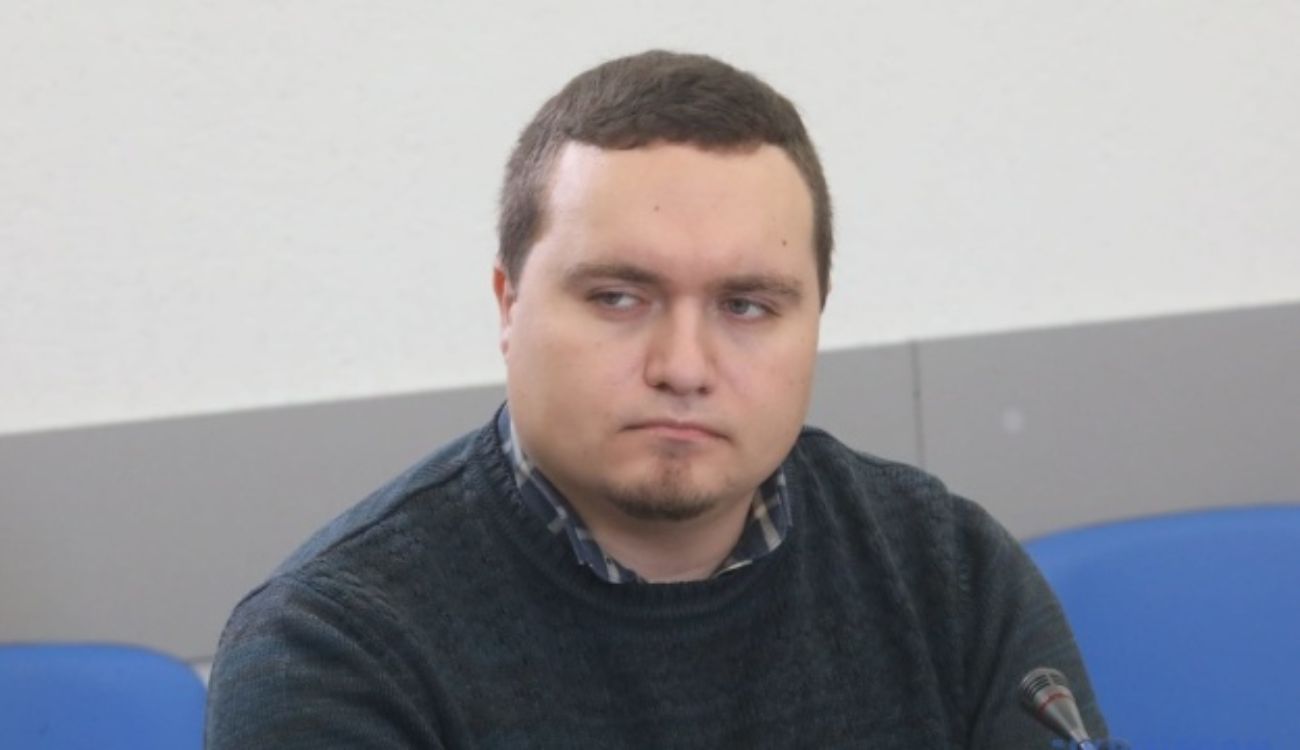
According to UATV: Political analyst Igor Chalenko highlights a strategic link between the war in the Middle East and Russia's aggression against Ukraine. He asserts that the Kremlin is actively exploiting these events to destabilize Western nations. For Moscow,
“it is extremely important that the ayatollahs' regime is preserved,”Chalenko states, revealing Russia's strategic interest in supporting Iran's government amidst escalating regional tensions. This analysis underscores a broader pattern where Moscow seeks to leverage global crises to weaken its adversaries.
In 2023, discussions emerged about the potential use of Iranian ballistic missiles against Ukraine, signaling a possible deepening of military cooperation between Russia and Iran. Chalenko notes that
“all signs now indicate that Moscow knew about the approaching active phase of hostilities”in the Middle East. This suggests the Kremlin's role in the region's conflict escalation and its subsequent impact on the war in Ukraine, part of a coordinated strategy to stretch Western resources.
Furthermore, Chalenko observes that
“the Russian Federation is watching as the Americans expend not only their 'Tomahawks,'”indicating that Russia uses international military engagements to advance its own strategic goals. He also emphasizes that the current situation represents a
“fusion of the Kremlin's military-industrial complex and Tehran directly,”pointing to a tightly integrated partnership between the two states.
Regional Military Action and NATO's Stance
Amid these developments, the Israel Defense Forces (IDAF) have reportedly destroyed 80% of Iran's air defense systems and 60% of its missile launchers, demonstrating significant military activity. Concurrently, NATO Secretary General Mark Rutte has assured that the Alliance will continue its assistance to Ukraine, reaffirming Western support in countering Russian aggression. This dual dynamic highlights a complex global security landscape where conflicts in different theaters are increasingly linked.
These events underscore the global context of the war in Ukraine, where military actions in the Middle East can directly influence the Kremlin's strategic calculations. The situation reveals a close collaboration between Russia and Iran, which risks exacerbating regional instability and posing new challenges to international security. Simultaneously, NATO's sustained support for Ukraine demonstrates the West's readiness to counter the Kremlin's attempts to destabilize the global order through the exploitation of international conflicts.
Read also
- Who Else Resigned After Fedorov's Dismissal as Defense Minister?
- Trump Predicts Ukraine War Will End During His Presidency, Says Putin Ready for a Deal
- Putin Is Losing the War and Faces a Tough Choice, Expert Warns
- New Security Guarantees for Ukraine on the Agenda as Rutte and Zelensky Meet in Paris on July 13
- NATO Greenlights New Defense Strategy: $70 Billion for Ukraine and Push for 5% GDP Spending
- NATO Brands Russia the Primary Threat as AI-Powered MSS Platform Revolutionizes Military Command