










Middle East Conflict Drives Oil Past $100, Bolstering Russian Revenue.
The State of Russian Oil
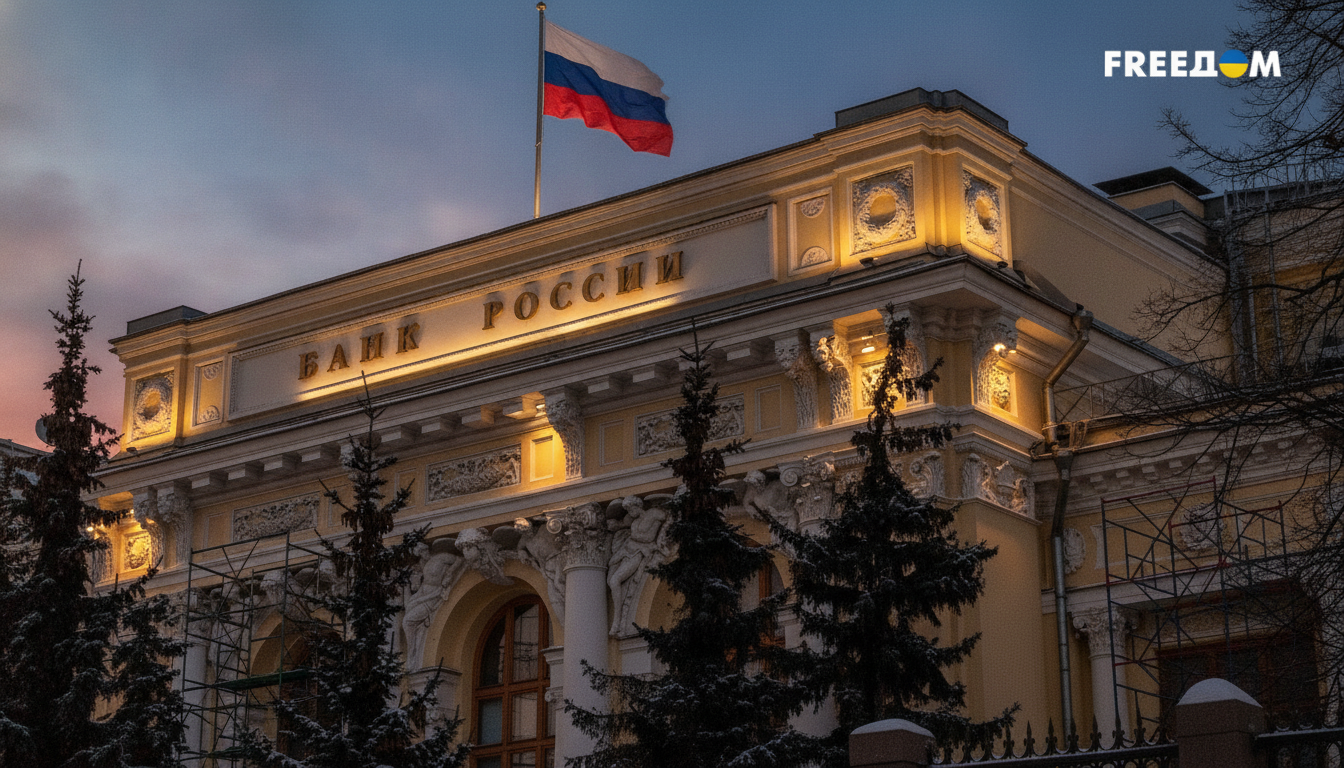
According to TSN.ua: Russia stands to gain financially from the surge in oil prices triggered by the Middle East conflict, with the cost per barrel exceeding $100. This price spike is largely driven by global geopolitical tensions affecting the market. While Ukraine's drone attacks have reduced Russian oil exports, increased demand from India is helping to offset some of those losses. The global oil market is highly sensitive to instability in key producing regions, which can rapidly alter the fortunes of major exporters.
Russia's average seaborne exports for the four weeks leading to March 8 were 3.26 million barrels per day. In the week to March 8, 25 tankers transported 18.5 million barrels of Russian crude. Notably, shipments to Asian buyers averaged 3.04 million barrels per day, indicating growing regional interest in Russian energy resources. Indian refineries purchased approximately 30 million barrels of Russian oil, confirming this rising demand.
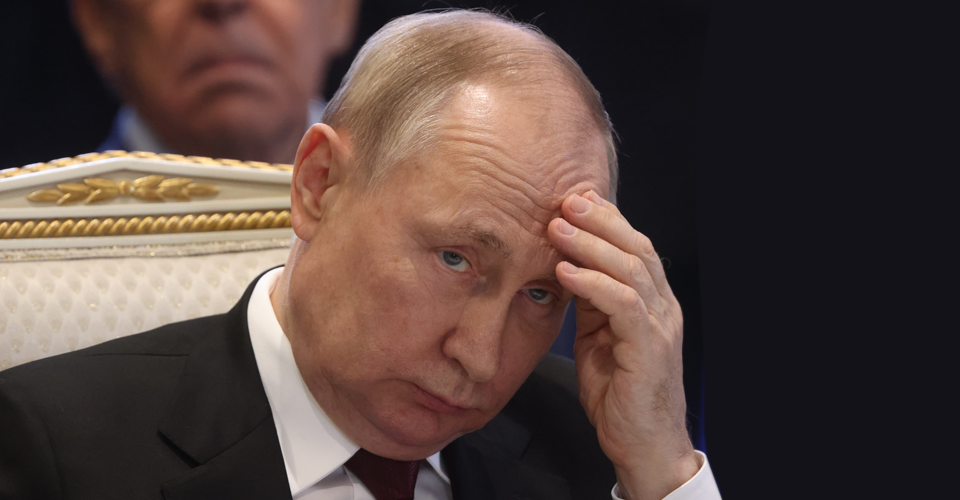
The price of Russia's Urals crude from Baltic ports has risen to $46 per barrel, reflecting these market shifts. However, Russian President Vladimir Putin has cautioned that
"high commodity prices may only be temporary."This suggests potential future price volatility, which could impact the country's financial stability.
Russia's Economy Under Significant Strain
Despite rising oil prices, the Russian economy continues to face severe pressure. Reduced exports due to military actions and international sanctions present a serious challenge. Nevertheless, growing demand from India is emerging as a crucial factor supporting the Russian oil industry under these adverse conditions.
While higher oil prices may temporarily improve Russia's financial metrics, the country faces serious long-term challenges from international sanctions and declining export volumes. India, as a key buyer, may provide a degree of stability, but reliance on a single market also creates economic risks for Russia. The influence of geopolitical factors on the oil market remains high, requiring Russia to adapt to a new and uncertain trading environment.
Read also
- Why the Kremlin Has Stepped Up Oreshnik Strikes: Russia Faces Reputational Damage in 2026
- Putin Acknowledges Russian Military Setbacks: 'Progress Not as Fast as We Would Like'
- How Russian Intelligence Attempted a Staged Incident in Belarus—And Why a Press Conference with a Ukrainian Prisoner Was Thwarted
- When Putin Might Actually Be Ready for Negotiations: A Political Scientist’s View
- Ukraine Forces Expert: Russia’s ‘Oreshnik’ Missile Is a Tool for Psychological Warfare
- Putin Threatens Escalated Strikes on Ukraine: What the New Warning Means