









Oil Market Crashes as US and Israel Wage War on Iran: Ukrainian Gas Prices Soar.

Gas prices rise due to war

How the Conflict Disrupted Global Oil Markets

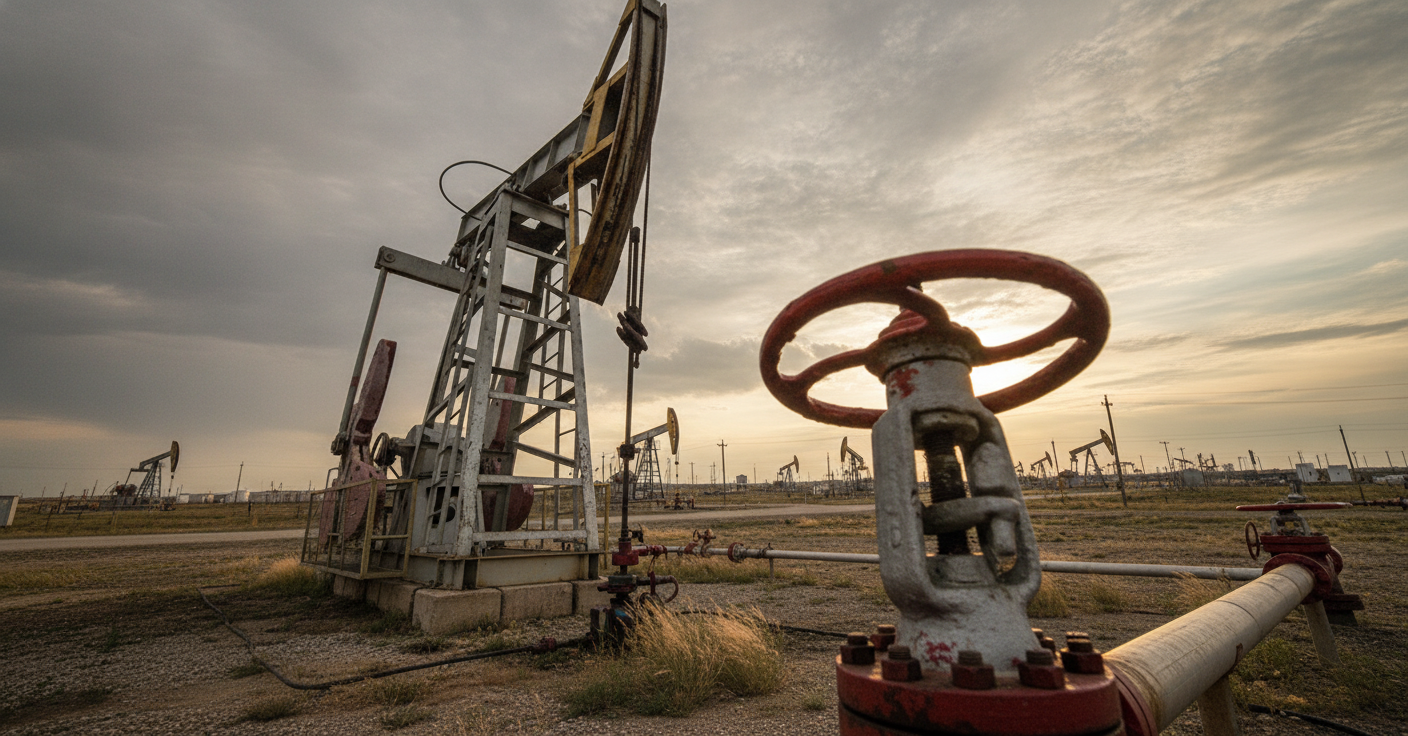
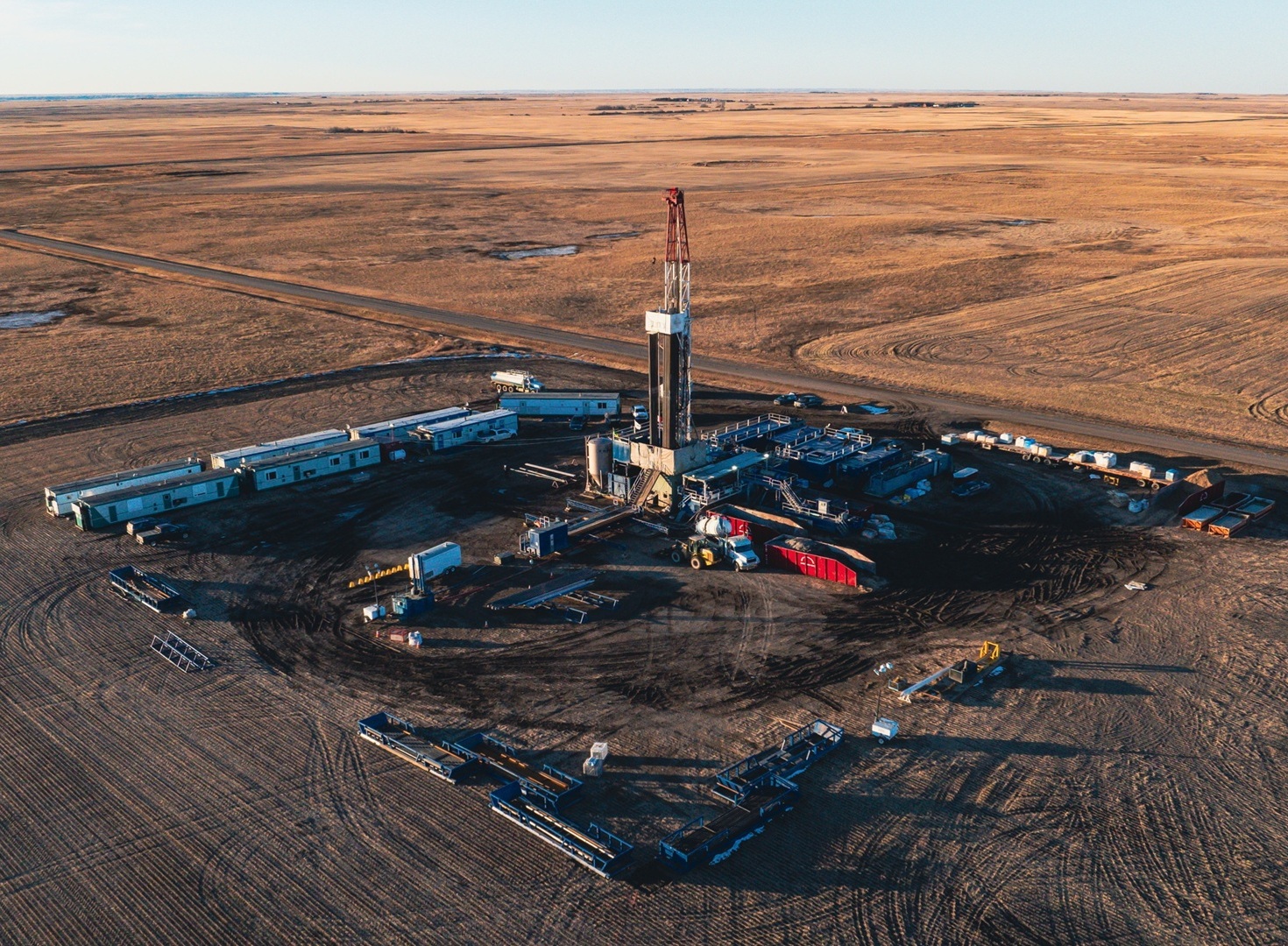
According to TSN.ua: The military confrontation involving the United States and Israel against Iran has sent shockwaves through the global oil market, largely due to the closure of the Strait of Hormuz—a chokepoint that handles roughly 20% of the world's crude shipments. This disruption triggered a sharp spike in oil prices, sparking panic across Europe and forcing shifts in fuel supply chains. In January 2023, a barrel of Brent crude was trading at $61, while Urals crude stood at $51. By March 9, 2023, however, Brent had surged to $100 per barrel.

In response to mounting prices and supply concerns, the Trump administration released 86 million barrels of oil from the U.S. Strategic Petroleum Reserve, while the International Energy Agency committed to releasing 400 million barrels from its emergency stockpiles. Meanwhile, Russia stands to rake in up to $150 million in petrodollars daily thanks to the soaring oil prices.

Impact on Ukraine's Fuel Market

These global shifts have directly affected Ukraine's fuel market, where gasoline prices have jumped by 1 to 3 hryvnias. For instance, A-95 gasoline at some gas stations now costs 70 hryvnias and 99 kopecks, while diesel is priced at 79 hryvnias and 99 kopecks. As Serhiy Kuyun explained,

“If there’s a shortage, it inevitably puts pressure on other supply sources.”

According to available data, the European Union primarily sources its crude from Norway, as noted by Yuriy Korolchuk. Serhiy Kuyun also pointed out that

“this price automatically starts being factored into contracts.”
Scott Bessent added that
“this narrow, short-term measure applies only to oil that was already in transit.”

In short, the turmoil surrounding the Strait of Hormuz and the war between the U.S., Israel, and Iran has triggered major upheavals in the global oil market, which in turn have driven up fuel prices in Ukraine and Europe. Key players in this context remain the Persian Gulf nations—Iran, Iraq, Kuwait, Saudi Arabia, Bahrain, Qatar, the UAE, and Oman—while major oil buyers include India, China, and other Asian countries.

The oil price surge resulting from regional military conflicts underscores the fragility of global energy security and the heavy reliance of many nations on imported energy resources. For Ukraine and other import-dependent countries, adapting to these new market realities is crucial to ensuring stable supply chains and avoiding economic shocks. Amid rising prices and instability, oil-exporting nations like Russia stand to gain financially, which could reshape global geopolitical and economic dynamics.


Read also

Advertising