War and Fishing Nets Drive 50,000 Dolphin Deaths in the Black Sea in a Single Year.

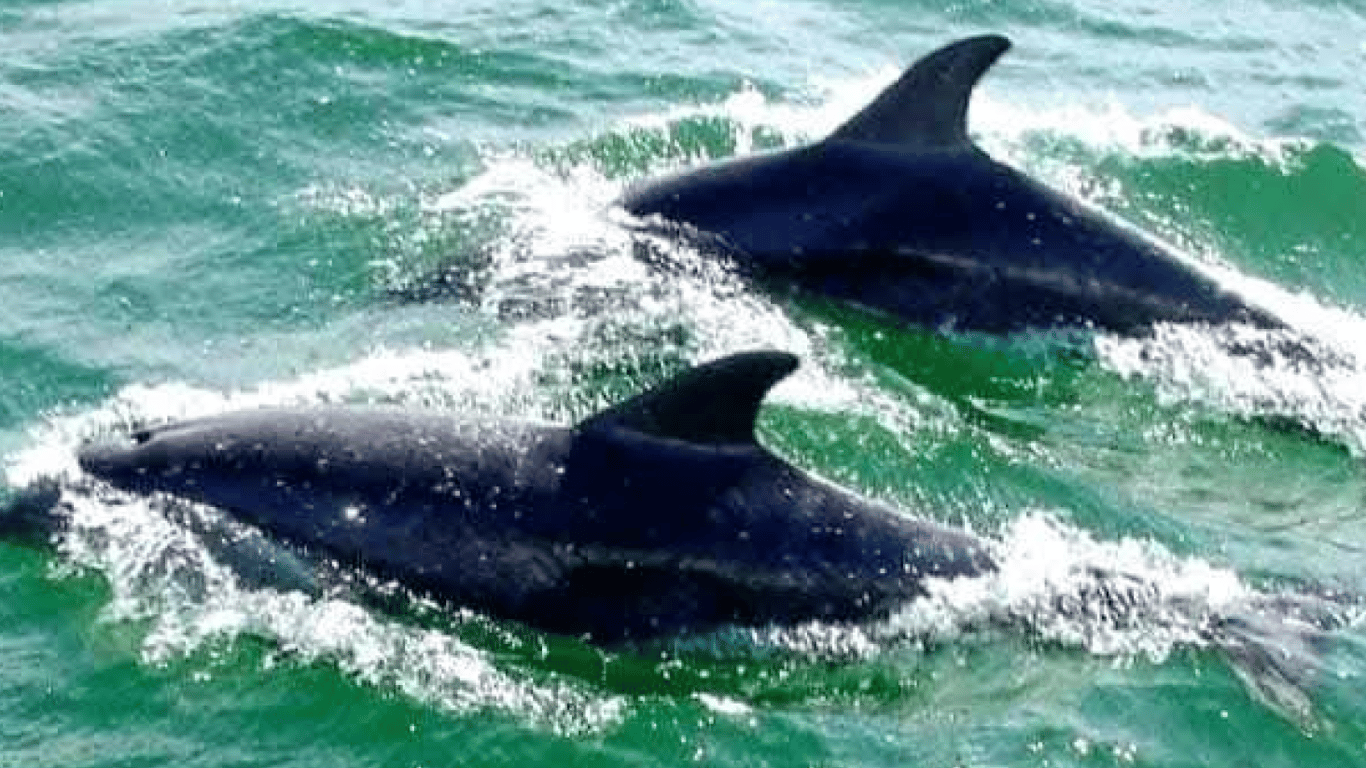
Dolphin Populations in the Black Sea
According to Novyny.live: The Black Sea is home to three resident species of cetaceans: the bottlenose dolphin, the common dolphin, and the harbour porpoise. All three are listed in Ukraine's Red Book, indicating their endangered status and need for protection. Historically, the Mediterranean monk seal was also present in the Black Sea, but it is now considered virtually extinct.
Human activity, particularly from fishing gear and warfare that escalated in 2022, is causing a drastic decline in dolphin numbers. Ecologists estimate that approximately 50,000 dolphins perished in 2022 alone. Prior to the full-scale invasion, the primary cause of dolphin mortality was entanglement in fishing nets, with the total length of nets in the northwestern Black Sea reaching up to 3,000 km.
The Impact of War and Ecocide
Ecologists stress that the war has become the apex of an ecocide against Black Sea cetaceans. Ivan Rusev notes:
“Systemic solutions are necessary for the preservation of the species.”This underscores the critical need for a comprehensive approach to conserving dolphins and other marine life in the region. The Black Sea, a vital but fragile ecosystem, has long suffered from pollution and overfishing, making its wildlife acutely vulnerable to new shocks.
The sharp decline in dolphin populations demands urgent action, as these marine mammals are crucial for maintaining biodiversity and healthy marine ecosystems. Their loss could lead to imbalances in food chains and a general deterioration of the sea's ecological health. The consequences of pollution and direct human impact on their habitat require immediate attention from state authorities and the international community.
Urgent measures are needed to improve protection and restore dolphin populations, including banning fishing methods dangerous to them and safeguarding their marine environment.
Read also
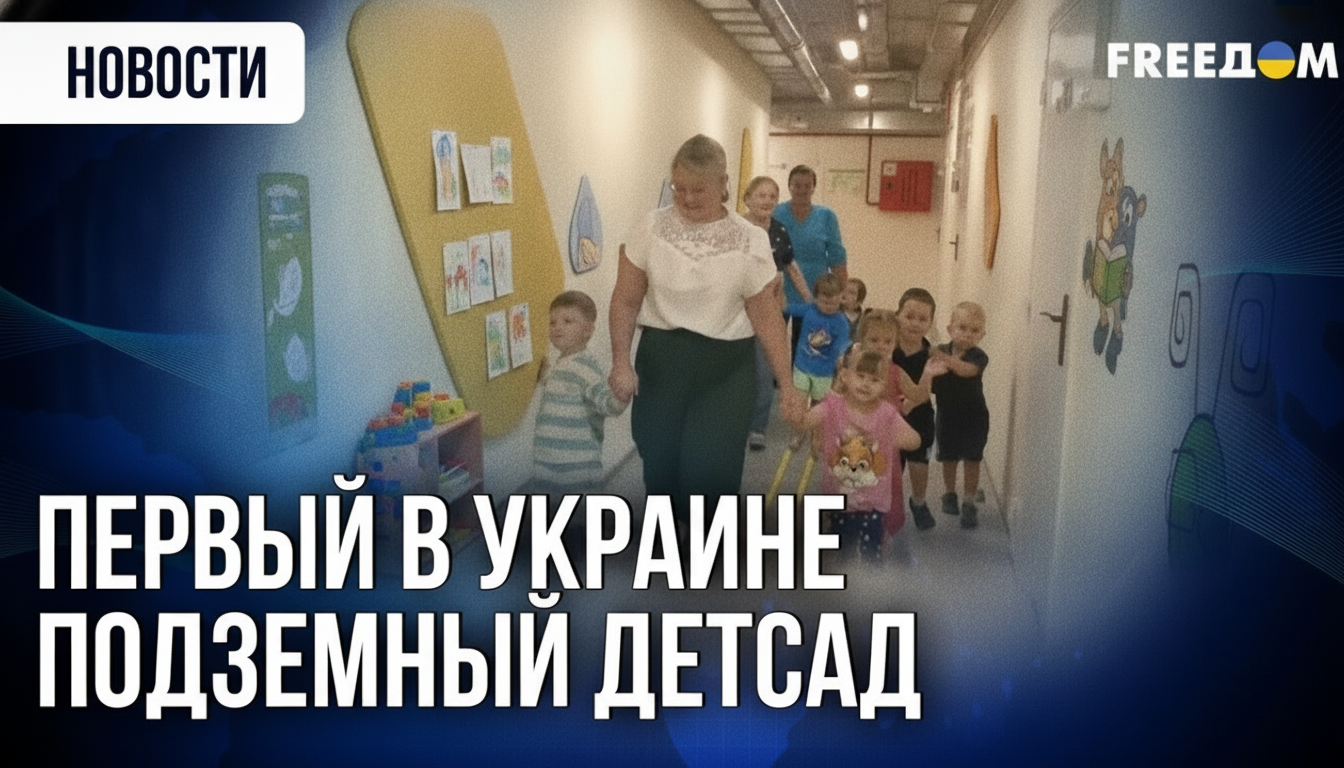
- Ukraine’s first underground kindergarten opens in Kharkiv, accommodating 260 children
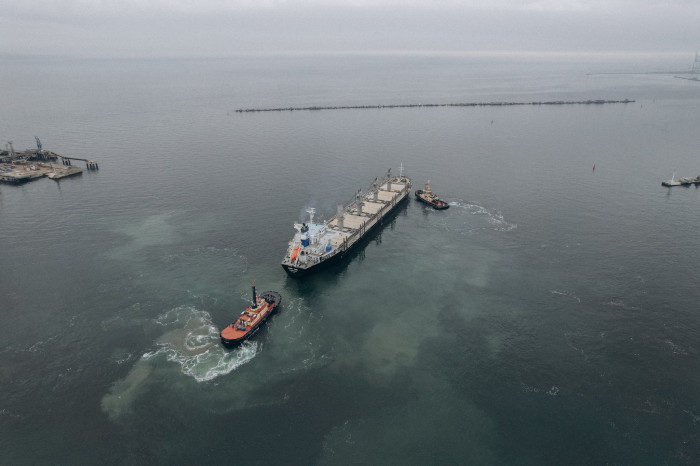
- Ukraine's ports crippled by Russian strikes: 28 vessels hit, 21 killed
- 24 Children Rescued from Occupied Territories by Save Ukraine, Including Injured 13-Year-Old Anhelina
- Woman Faces Up to 7.5 Years in Prison After Attacking Children for Speaking Ukrainian in Poland
- One of the Most Recognizable Voices on Ukrainian Radio, Journalist Oleksandr, Has Passed Away
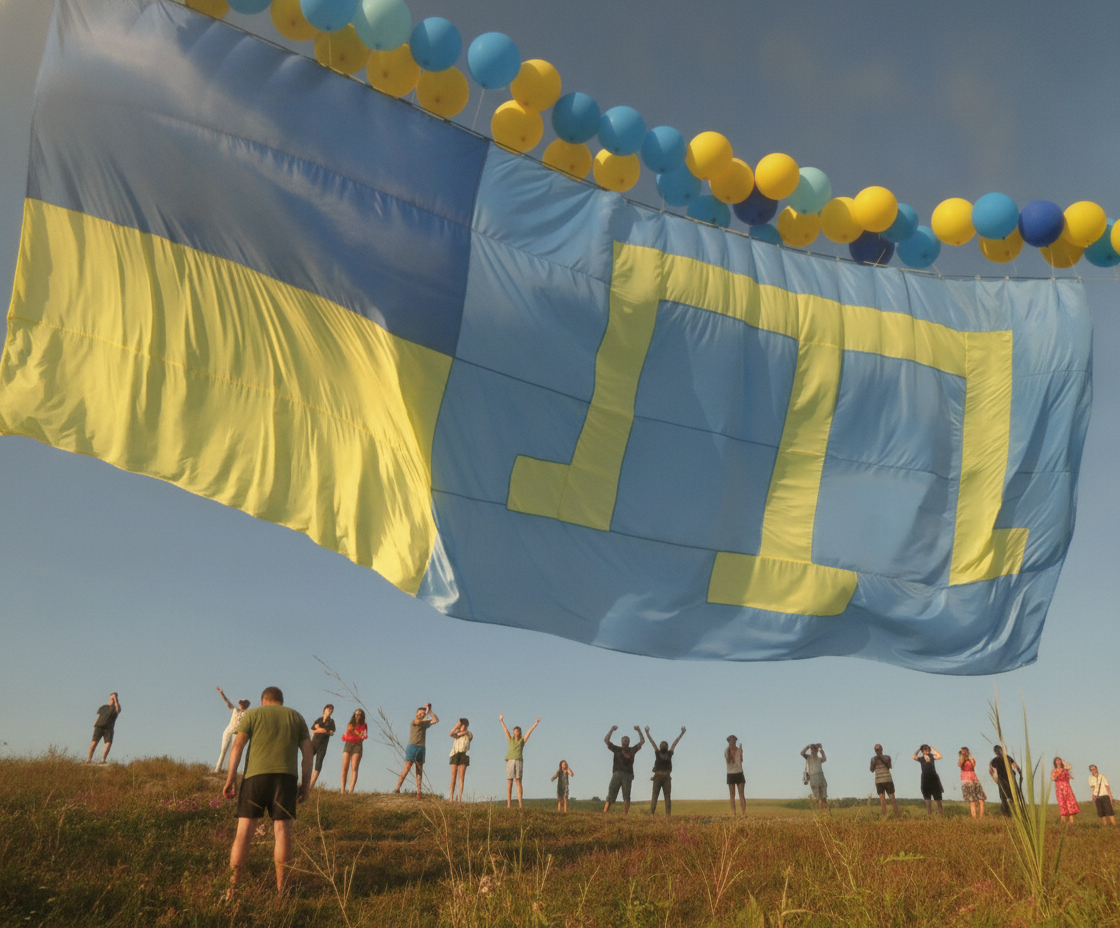
- Crimean Tatars Reclaim Their True History: How Valery Vozgrin’s Work Dismantles Russian Myths