











How a Conflict with Iran Could Strain U.S. Resources and Impact Aid to Ukraine.

How a Conflict with Iran Could Strain U.S. Resources and Impact Aid to Ukraine

Analysis of International Relations

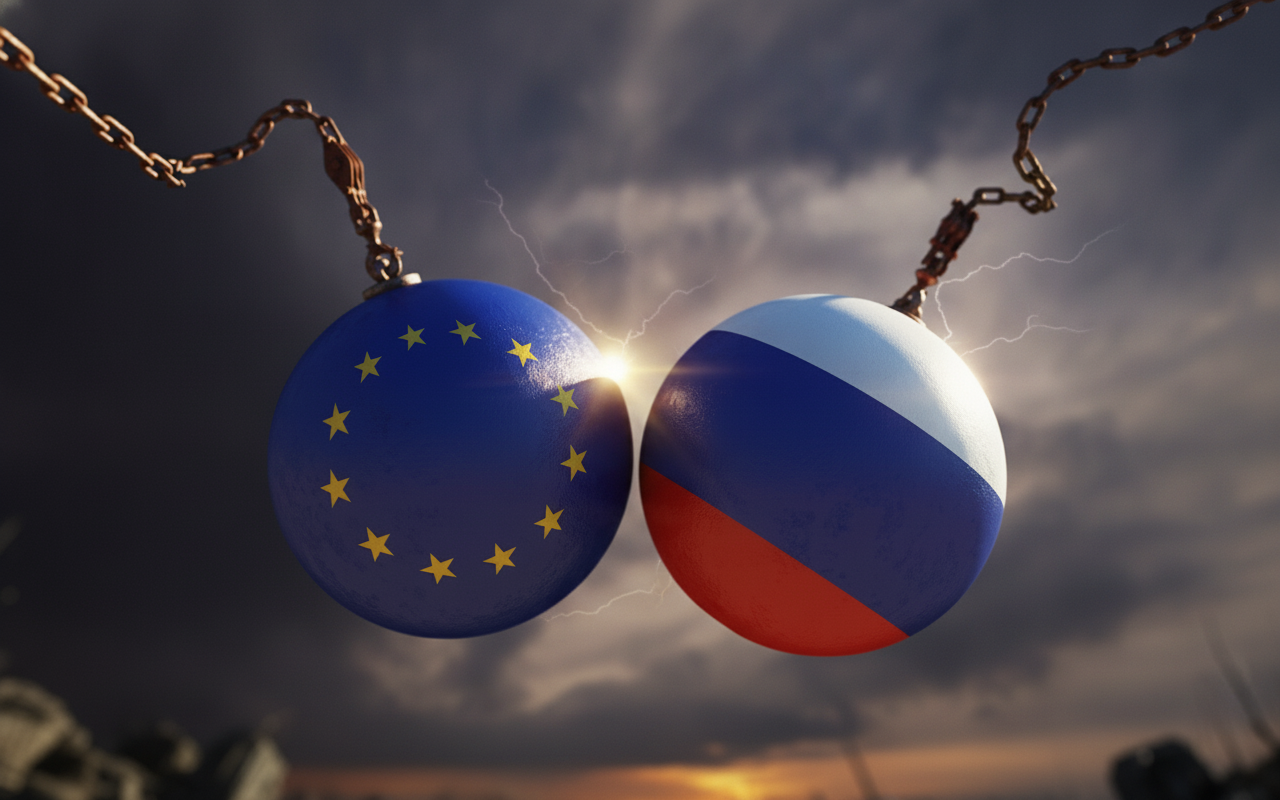
According to TSN.ua: The complex geopolitical landscape involving the United States, Britain, Spain, and Ukraine is under scrutiny, with a particular focus on how a war involving Iran could deplete U.S. weapons stockpiles and affect support for Kyiv. Reports suggest the U.S. has been reluctant to accept military bases and support from Britain and Spain, hinting at underlying tensions among these allies. This dynamic unfolds against the backdrop of a protracted war in Europe and heightened global instability.

The ongoing tensions with Iran present a distinct set of challenges for international diplomacy. A pivotal moment occurred in 2020 when Iran shot down a Ukrainian Boeing airliner, severely damaging relations between Kyiv and Tehran. Since 2022, Iran's provision of military support to Russia has raised significant concerns in European capitals and Washington. Ukrainian President Volodymyr Zelenskyy highlighted a stark disparity in resource expenditure, noting that in less than a week of potential conflict with Iran, the U.S. and its allies would use more Patriot missiles than Ukraine has deployed in four years of war.

Ukrainian Resilience and European Support

Despite these pressures, Ukraine has demonstrated remarkable resilience. In recent months, its forces have reclaimed more territory than they have lost, underscoring the nation's determination in defending its sovereignty. In this context, Wolfgang Ischinger, Chairman of the Munich Security Conference, stated that as long as Ukraine continues to fight, Europe faces no direct threat, suggesting a degree of regional stability maintained by Ukrainian resistance.

However, unity on Ukraine policy within Europe is not absolute. Lithuanian Foreign Minister Gabrielius Landsbergis voiced pointed criticism, stating:

'It is obvious that Orban is trying to win elections at the expense of Ukraine.' Gabrielius Landsbergis
He further emphasized,
'I do not believe that Ukraine should agree to what it is being forced to accept, namely capitulation.'
These comments reveal divisions among European leaders regarding approaches that could compromise Ukrainian sovereignty.

Additionally, Landsbergis advocated for the creation of 'parallel structures' to integrate Ukraine, with its military forces and capabilities, into the European defense architecture. Such a move could represent a crucial step in bolstering Ukraine's security and its long-term alignment with Europe.

Consequently, the international relations between the U.S., Britain, Spain, and Ukraine are in a state of flux. The situation with Iran, compounded by its backing of Russia, introduces new security challenges. Simultaneously, Ukraine's steadfast defense continues to shape the geopolitical calculus, inevitably influencing the future trajectory of these international partnerships.

This analysis underscores the enduring complexity of modern international relations, where the actions of individual states can have profound and far-reaching consequences. As Ukraine confronts multifaceted challenges, maintaining allied unity in support is critical, not only for Ukraine's future but for broader European security and stability. The coming decisions by the international community will be pivotal in determining the regional order.


Read also

Advertising