Five-Year Prison Sentence for Soldier Who Left Duty Due to Family Illness.

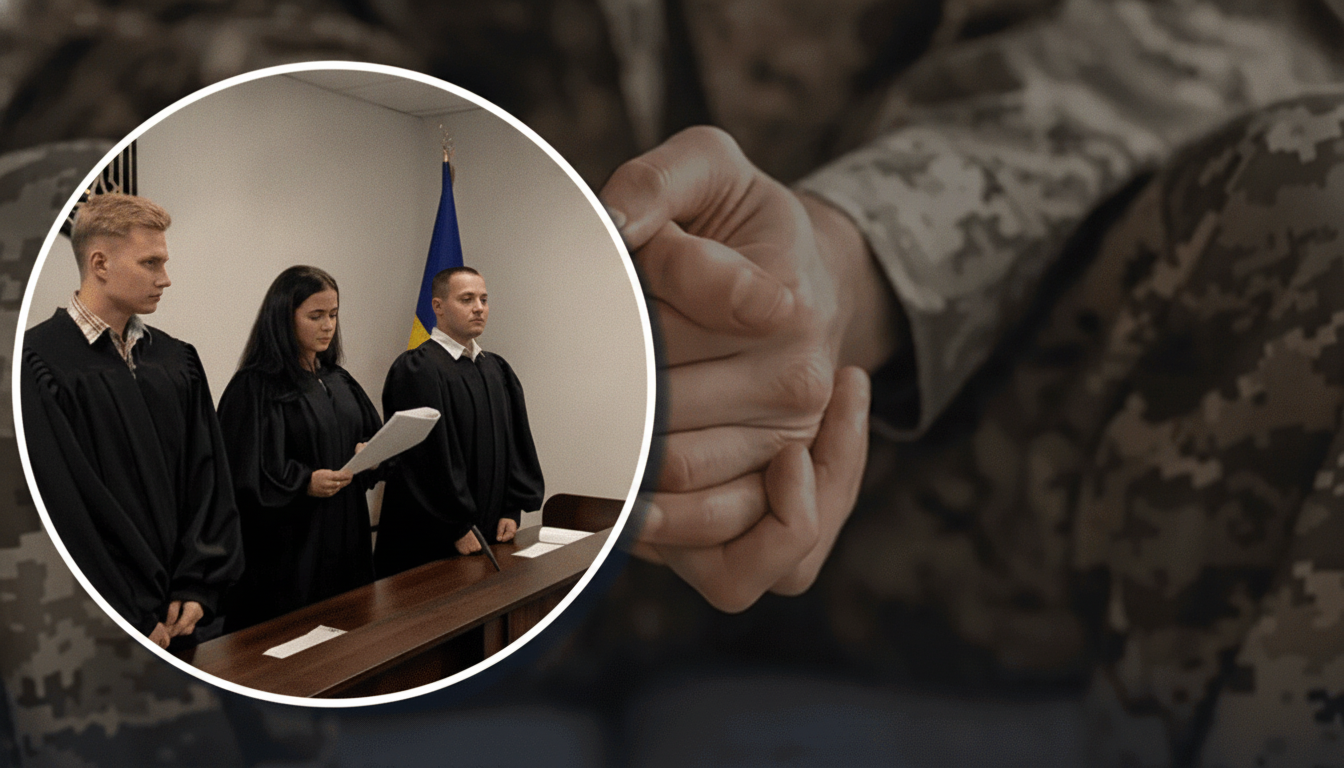
Soldier in Lviv Region Convicted for Unauthorized Absence from Service
According to Novyny.live: A soldier stationed in the Lviv region was found guilty of leaving his post without authorization after his wife and child fell ill. On April 1, a court sentenced him to five years in prison for desertion. This case highlights the strict enforcement of military discipline in Ukraine, even when personal hardships are involved.
Details of the Case
According to court documents, the soldier was mobilized on July 20, 2023. His first instance of absence occurred on December 17, 2023, when he failed to report for duty. A second violation took place on March 10, 2024. He remained absent from service until November 18, 2025.
The court imposed the five-year sentence under Part 5 of Article 407 of the Criminal Code of Ukraine. This ruling underscores the gravity of military service violations and the severe consequences that can follow unauthorized leave.
This incident and its outcome reflect the rigidity of Ukrainian law regarding military personnel and their obligations. Amid the ongoing war in Ukraine, maintaining military discipline is seen as critical, as unauthorized absences can undermine the army’s overall readiness.
At the same time, personal circumstances—such as a family member’s illness—raise questions about the feasibility of adhering to such duties. This case may fuel public debate over the balance between military discipline and compassion in difficult situations.
Read also
- Three Ukrainians Without Documents Rescued from Occupied Territories Under Bring Kids Back UA Initiative
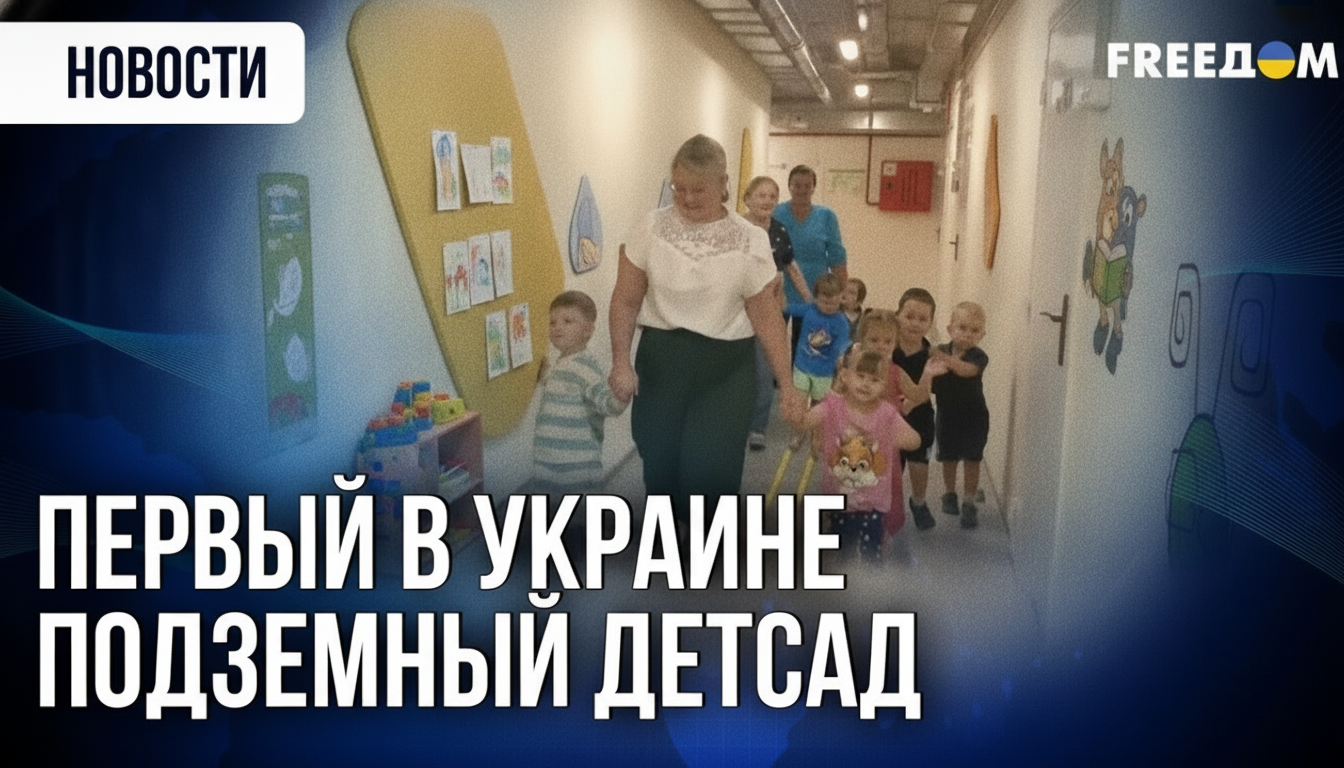
- Ukraine’s first underground kindergarten opens in Kharkiv, accommodating 260 children
- Ukraine's ports crippled by Russian strikes: 28 vessels hit, 21 killed
- 24 Children Rescued from Occupied Territories by Save Ukraine, Including Injured 13-Year-Old Anhelina
- Woman Faces Up to 7.5 Years in Prison After Attacking Children for Speaking Ukrainian in Poland
- One of the Most Recognizable Voices on Ukrainian Radio, Journalist Oleksandr, Has Passed Away