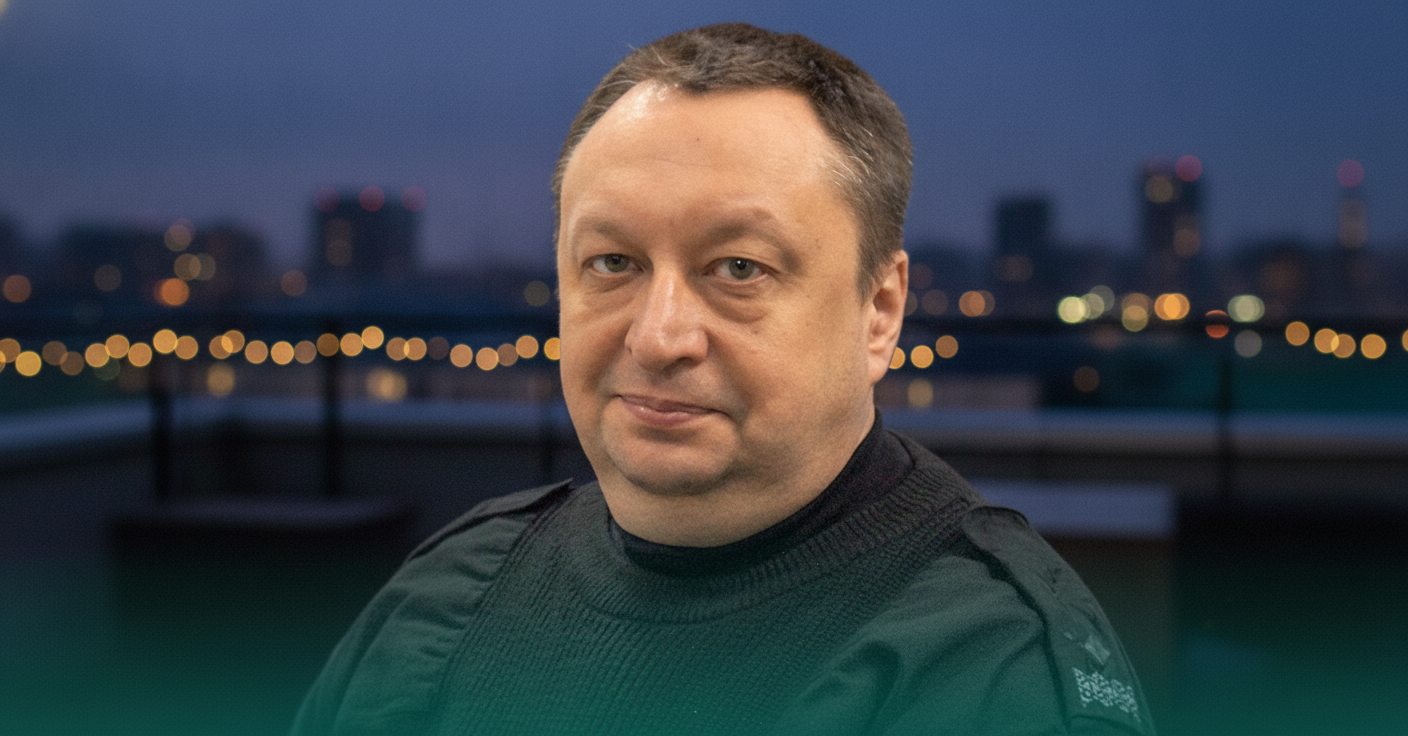











Three Key Reforms for Veteran Rehabilitation Outlined by Vitaliy Kim.

Veterans rehabilitation: three directions

Ukraine’s Rehabilitation System for Veterans

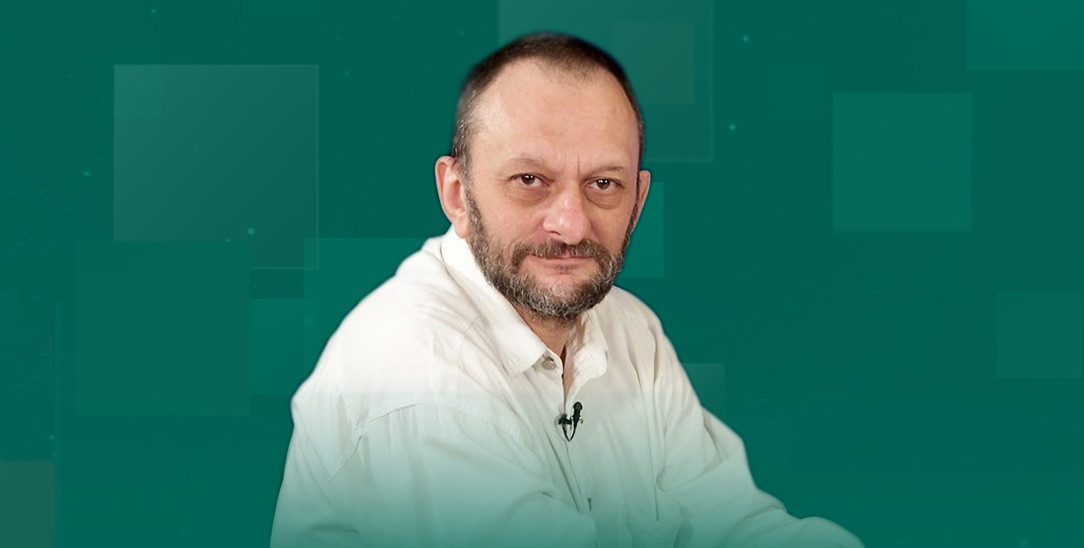
According to TSN.ua: Vitaliy Kim, head of the Mykolaiv Regional State Administration, has highlighted the urgent need to overhaul the country’s rehabilitation system for veterans. He stressed the importance of ensuring qualified medical staff, simplifying patient care pathways, and expanding psychological support. According to him, this is a state responsibility that must be fulfilled by providing every person in need with a seamless, continuous recovery process.

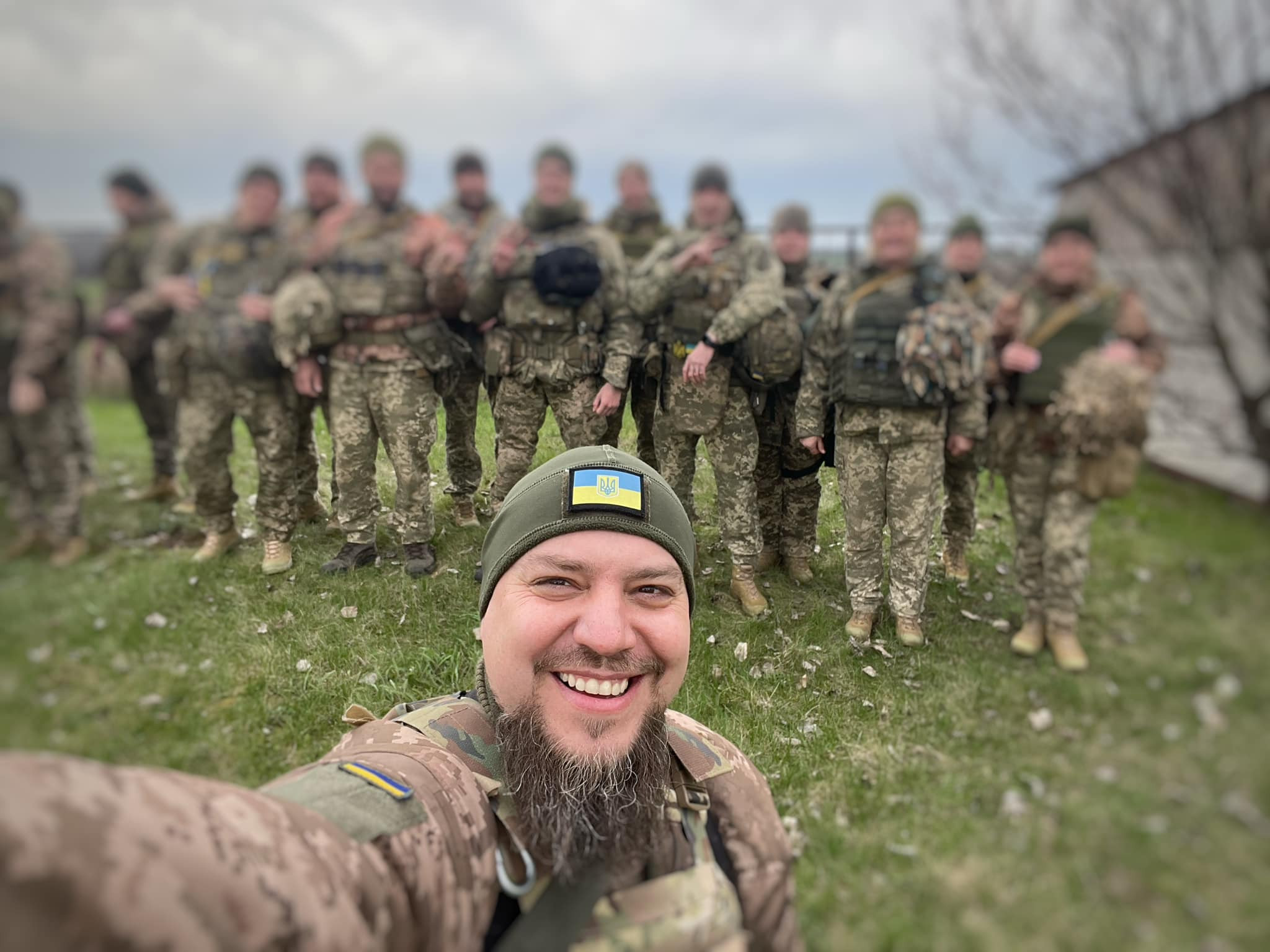
Currently, over 130,000 Ukrainian veterans live with war-related disabilities. The World Health Organization estimates that one in three people will require rehabilitation at some point in their lives. Notably, up to 20% of veterans show symptoms of post-traumatic stress disorder (PTSD) or depression, underscoring the demand for a comprehensive approach to their recovery.

“Together, the state and the private sector are building the necessary infrastructure.”

Vitaliy Kim

He also emphasized that “when a veteran or their family can see the pathway between facilities, understand where to go after hospital discharge, and know how and where to get further help, it makes all the difference.” This highlights the critical role of clear communication and accessible information for veterans and their relatives.

Main Areas for Improvement

The key reform priorities for the rehabilitation system include:

  • Ensuring an adequate supply of skilled personnel,
  • Simplifying patient referral routes,
  • Providing robust psychological support.

Kim stressed that “the main task is to rethink rehabilitation: it must be a continuous process—from the moment of injury to full reintegration into life.” Thus, upgrading the veteran rehabilitation system is a vital step toward their adaptation and recovery after war. This issue demands concerted efforts from both the government and society to secure a dignified life for those who defended the country.

Delivering high-quality rehabilitation is essential not only for veterans’ physical healing but also for their successful social integration. Successful implementation of these initiatives could significantly improve veterans’ quality of life, which in turn would bolster Ukraine’s overall stability and post-war development. State support, combined with active private-sector involvement, may prove crucial to the effectiveness of new rehabilitation programs and to ensuring that all veterans have access to the services they need.


Read also

Advertising