The Mysterious Kitchen-Bathroom Window in Soviet-Era Apartments.

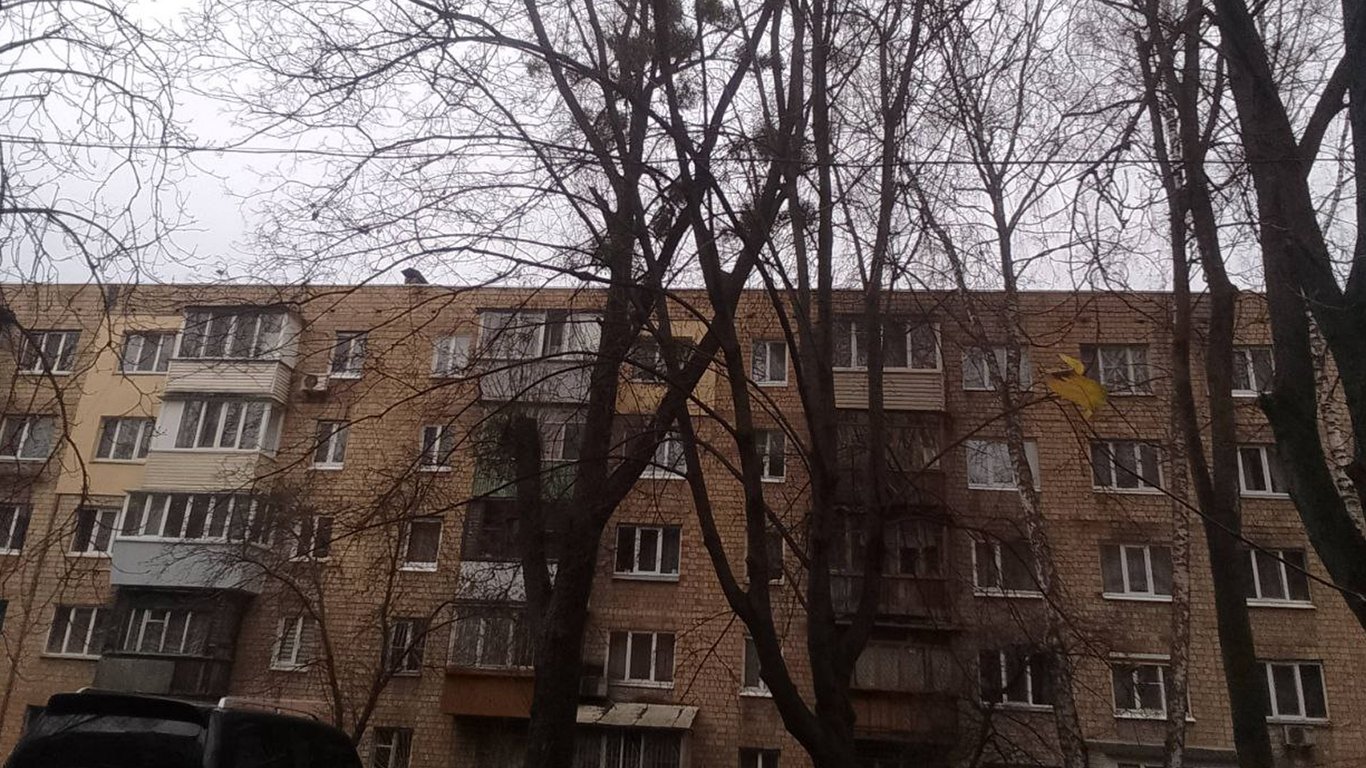
The Purpose of the Peculiar Interior Window
According to Novyny.live: In the mass-produced apartment blocks of the Soviet era, known as Khrushchyovka and Stalin-era buildings, a small window between the kitchen and bathroom was a common architectural feature. This design was a direct response to the public health challenges of the mid-20th century, particularly the prevalence of tuberculosis. The bacterium that causes TB, Mycobacterium tuberculosis, thrives in dark, damp environments but is killed by sunlight. The interior window allowed natural light to penetrate these often windowless spaces, helping to curb the spread of this dangerous infection.
Furthermore, the utility infrastructure of the time was unreliable, with frequent power outages being commonplace. This window provided a crucial source of natural illumination when the electricity failed. An additional critical safety function related to the widespread use of gas water heaters. In the event of a gas leak, this opening acted as a ventilation port, helping to dissipate dangerous fumes and prevent potential explosions.
Thermal Insulation and Energy Efficiency
The brick construction of many Khrushchyovka buildings, with walls up to 50 cm thick, contributed to their thermal properties. While concrete and panel construction loses heat more rapidly, brick or monolithic structures offer better thermal inertia. As expert Volodymyr Solovko notes,
“Up to 30-40% of heat can be lost through windows, while insulating the facade significantly extends a building's thermal inertia.”
Thus, the interior window also played a role in heat retention and overall energy efficiency, an important consideration for comfortable living in an urban setting with centralized heating.
Therefore, the kitchen-bathroom window served multiple practical purposes beyond mere aesthetics. Its functions in disease prevention, energy conservation, and gas safety made it a vital design element in mid-20th century residential architecture. These apartments were a defining feature of the urban landscape for decades, and their design quirks reflect the specific challenges of their time.
This small architectural detail encapsulates the socio-economic conditions and public needs of its era. Born from the necessity to combat epidemics and manage scarce resources, it symbolizes how architecture adapted to contemporary challenges. While such features may now seem like curious relics, their significance in the history of housing design and public health remains a relevant topic for understanding this period of urban development.
Read also
- Three Ukrainians Without Documents Rescued from Occupied Territories Under Bring Kids Back UA Initiative
- Ukraine’s first underground kindergarten opens in Kharkiv, accommodating 260 children
- Ukraine's ports crippled by Russian strikes: 28 vessels hit, 21 killed
- 24 Children Rescued from Occupied Territories by Save Ukraine, Including Injured 13-Year-Old Anhelina
- Woman Faces Up to 7.5 Years in Prison After Attacking Children for Speaking Ukrainian in Poland
- One of the Most Recognizable Voices on Ukrainian Radio, Journalist Oleksandr, Has Passed Away