A conflict in Odessa over the construction of a hospital: a restaurateur against the military.

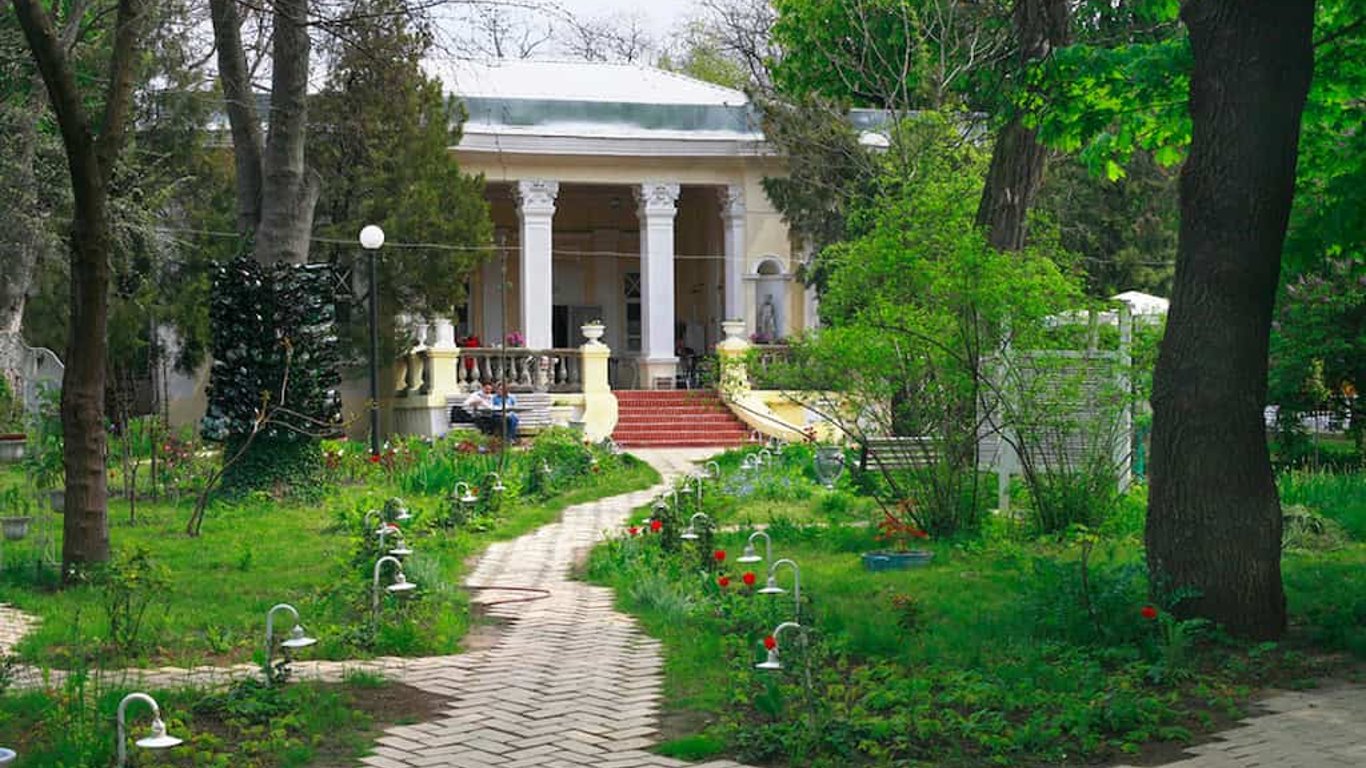
In the territory of one of the Odessa sanatoriums, there are plans to build a large military hospital. However, the plans have been complicated by a conflict with the owner of the restaurant.
Veteran of the Armed Forces Pavlo Yakimchuk told this in an interview with journalist Victoria Kulyuk.
The Struggle for Land
Odessa has reserved a plot near the sea for the construction of a hospital for the military. However, problems arose with the owner of the restaurant 'Dacha', Savva Libkin. He wishes to use part of the land for parking, rather than for the hospital.
'The area was designated for the hospital, but Libkin seized part of it for parking. People who support the hospital have even been threatened. This is unacceptable, as there should be military personnel, not Libkin's guests,' explains Pavlo Yakimchuk.
It is noted that Libkin claimed to feel pressure from law enforcement regarding the territory of the 'Dacha' restaurant.
The Prosecutor's Position
Back in 2004, the company 'Drive-In' rented a premises in the sanatorium with an area of 195 square meters, where the 'Dacha' restaurant is now located. Later, the area was expanded to 350 square meters. In 2018, the company acquired 49% of the building through an agreement with the regional department of the State Property Fund, despite the fact that this building is part of a cultural heritage site and cannot be privatized by law.
The prosecutor's office believes that all real estate in that area should be owned by the state, so the regional prosecutor's office filed a lawsuit to recognize the agreement as invalid.
In Odessa, plans are underway to build a large military hospital, but the plans are complicated by a conflict with the restaurant owner over land use. The restaurateur wants to build a parking lot instead of the hospital, causing outrage among the military and giants. The prosecutor's office considers the agreement for the acquisition of part of the building to be invalid, as the object is a cultural heritage site and should be owned by the state.
Read also
- Anti-Ukrainian Sentiment Intensifies in Poland: Deputy Prime Minister Issues Stern Rebuke to Politicians
- Nine EU Nations Push to Cut IOC Funding Over Russia’s Olympic Reinstatement
- Parliament Ousts Svyrydenko: Nearly 500 Pledges Broken or Unfulfilled
- Ukraine’s Parliament Passes a Bill to Tighten Penalties for Pornography: Here’s What Changes
- EU Opens Sixth Negotiation Cluster with Ukraine: Foreign Policy Alignment Reaches 99%
- Ukraine’s Parliament Approves ‘Order of Europe’ Award to Honor Pro-European Integration Achievements