A Neanderthal Chamber Sealed for 40,000 Years Discovered in Gibraltar.

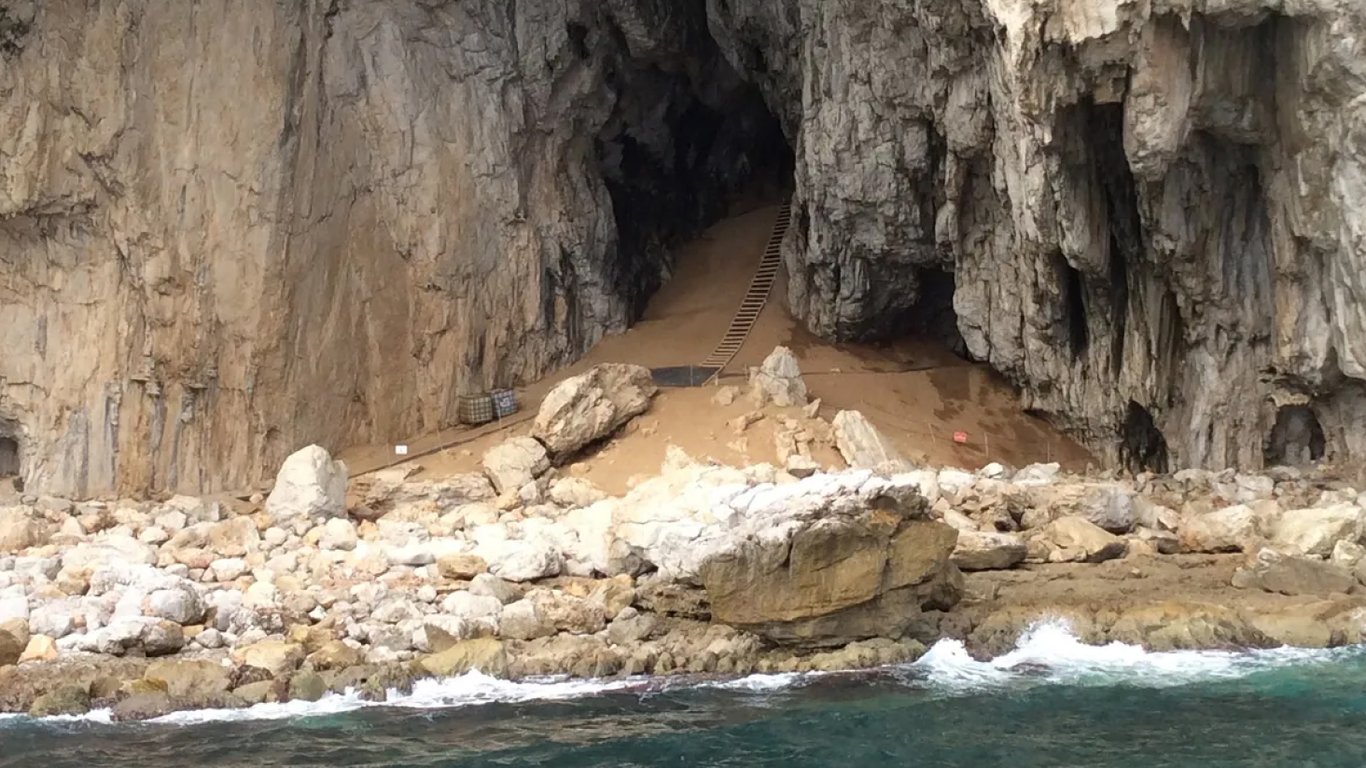
Exploring the Gorham's Cave Complex
According to Novyny.live: Archaeologists are continuing their investigation of the Gorham's Cave Complex in Gibraltar, a site potentially containing the last known refuges of Neanderthals. Within Vanguard Cave, researchers have identified a sealed chamber that has been isolated for at least 40,000 years. This discovery offers a unique window into a period of human activity in these caves that may span up to 100,000 years. The site is of global significance for understanding the final chapters of Neanderthal existence.
Located on the southern tip of Spain in the British Overseas Territory of Gibraltar, the Gorham's Cave Complex includes Vanguard, Hyaena, and Bennett Caves. Studies of this unique location began in the 1980s. While no Neanderthal or Homo sapiens bones have been found within the caves, archaeologists have uncovered numerous shells and the bones of fish, seals, and dolphins. These finds suggest the caves were important hubs for the daily life of ancient peoples.
Scientific Significance of the Findings
A hearth discovered in Vanguard Cave, dated to approximately 60,000 years old, underscores the long duration of human activity in the region. Furthermore, artifacts indicate possible Neanderthal habitation between 33,000 and 24,000 years ago. A particular focus is the chamber in Vanguard Cave, which extends about 13 meters deep and has been sealed off for a minimum of 40 millennia.
The ongoing research at Gorham's Cave Complex continues to unveil new possibilities for studying the lives of Neanderthals and other ancient humans who inhabited the area. Discoveries such as:
- shells
- fish bones
- seal remains
- dolphin bones
- lynx remains
- hyena bones
- vulture bones
- mollusk shells
provide crucial information about the local ecosystem and the interaction between humans and their environment.
This discovery at Gorham's Cave highlights the importance of this archaeological complex for understanding human evolution and the ecosystems in which Neanderthals lived.
The studied artifacts point to the multifaceted nature of their lifestyle and interaction with nature, which may help fill gaps in our knowledge about this extinct human group. Further research in this region could yield even more information about the social and ecological aspects of Neanderthal life, thereby influencing our broader understanding of human history.
Read also
- Overnight Russian Strike on Ukraine: 13 Missiles Launched, Fatalities in Kyiv and a Child Wounded
- Seventeen Hangars Under Construction at Russia's Engels Airbase: Can They Shield Bombers From Drone Threats?
- Massive Russian Strike on July 16: Ukraine Downs 129 Drones and 3 Missiles
- France and Britain Deploy Forces as Poland Launches Major Military Drills
- Tactics Behind the Mass Drone Strikes on Odesa Explained by a UAV Commander
- Ukraine’s Forces Eliminate 1,340 Russian Troops in a Day: New Equipment Losses for Moscow