Conviction on Leave: Ukrainian Soldiers Can Be Discharged Even with a Suspended Sentence.

Discharge Procedures for Ukrainian Armed Forces Personnel
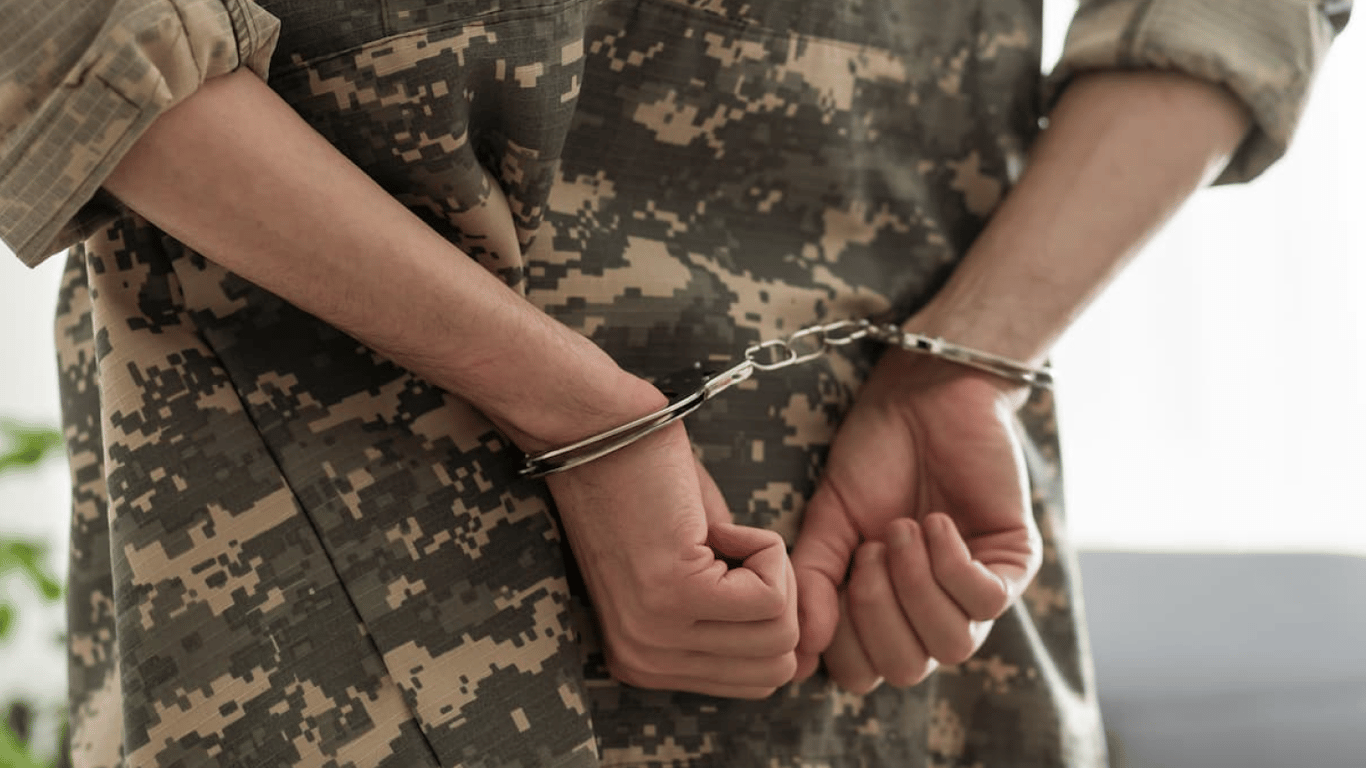
According to Novyny.live: Members of the Armed Forces of Ukraine (AFU) may be dismissed from military service if they are convicted while on leave, even when the punishment is a suspended sentence. This provision is established under Ukrainian law, which permits the release of service members once a court's guilty verdict becomes legally binding. Under current regulations, discharge applies regardless of whether the individual was mobilized or serving under a contract.
Process and Implications of Discharge
According to available information, a service member who signed a contract during martial law can seek discharge after the contract term ends. To do so, they must submit a formal report addressed to the commander of their military unit. Yuriy Ayvazyan noted,
“generally speaking, yes, such a ground is provided for in Article 26 of the Law of Ukraine 'On Military Duty and Military Service'”.
After discharge, former service members may find employment and obtain reservation status, which allows them to work, but they are prohibited from traveling abroad. Commenting on this situation, Yevgen Oleksandrovych stated:
“You may be discharged from the Armed Forces of Ukraine due to a court verdict of guilty that has entered into force, imposing a sentence of imprisonment or restriction of liberty. The punishment may also be imposed with a probationary period”.
Consequently, AFU personnel must be aware of the potential consequences of their actions while on leave. Ukrainian legislation clearly governs the dismissal of service members in cases of conviction, underscoring the importance of adhering to the law even during rest periods.
This legal norm aims to maintain discipline and order within the military ranks, especially during wartime, when every service member must be accountable for their actions. It is crucial for soldiers to recognize the possible repercussions of their conduct not only while performing official duties but also in everyday life, as this can affect their careers and future prospects. Understanding these rules helps personnel make informed decisions both on and off duty.
Read also
- 24 Children Rescued from Occupied Territories by Save Ukraine, Including Injured 13-Year-Old Anhelina
- Woman Faces Up to 7.5 Years in Prison After Attacking Children for Speaking Ukrainian in Poland
- One of the Most Recognizable Voices on Ukrainian Radio, Journalist Oleksandr, Has Passed Away
- Crimean Tatars Reclaim Their True History: How Valery Vozgrin’s Work Dismantles Russian Myths
- Ukraine's Birth Rate Drops 16%: Deaths Outnumber Births by Three to One in First Half of 2026
- Real Combat Readiness: How the National Guard's 'Scythian' Brigade Trains Its New Recruits