Airlines Reduce Economy Class: How It Will Affect Passengers.

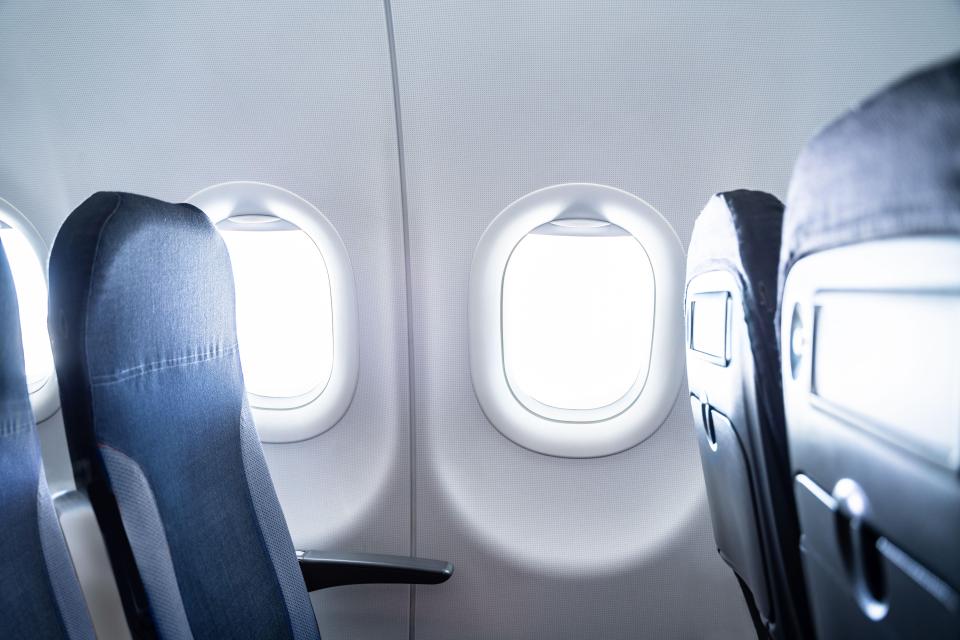
Economy Class is Disappearing in Favor of the Premium Segment
According to The Sun: Seats in economy class on planes are really not the best right now. They are rows of three seats where legroom is limited. Such seats typically lack the amenities available in premium or business class. And it seems that the situation is only getting worse.
Airlines are making economy class smaller to free up space for bigger and more expensive seats GettySome airlines are indeed reducing the number of seats in economy class, and the reason is quite simple — finances. The filling of economy class helps cover costs, while tickets in premium or first class generate the main profit.
By reducing the number of seats in economy class, airlines create more space for customers willing to pay more, which increases their revenues. This is a conscious profit-driven effort that encourages economy passengers to consider upgrading their service class for a more comfortable journey.
“Airlines are focused on the higher revenue they can obtain from premium passengers, and airplane cabins are shifting towards a larger share of the premium segment, while economy class seats are being removed to achieve that,” said Seth Miller, editor of paxex.aero, in a conversation with USA Today.
He also added, “Airlines are either removing seats from economy class, which is definitely better for passengers, or they are trying to cram more people into economy class.”
Miller cited the example of Southwest Airlines, which has shifted focus to offering more premium seats. However, in reality, this means “economy seats with extra legroom” — and those who do not pay for the extra space are getting less room than before.
The airline confirmed in a comment to USA Today that they “reduced the distance between rows by an inch” in economy seats.
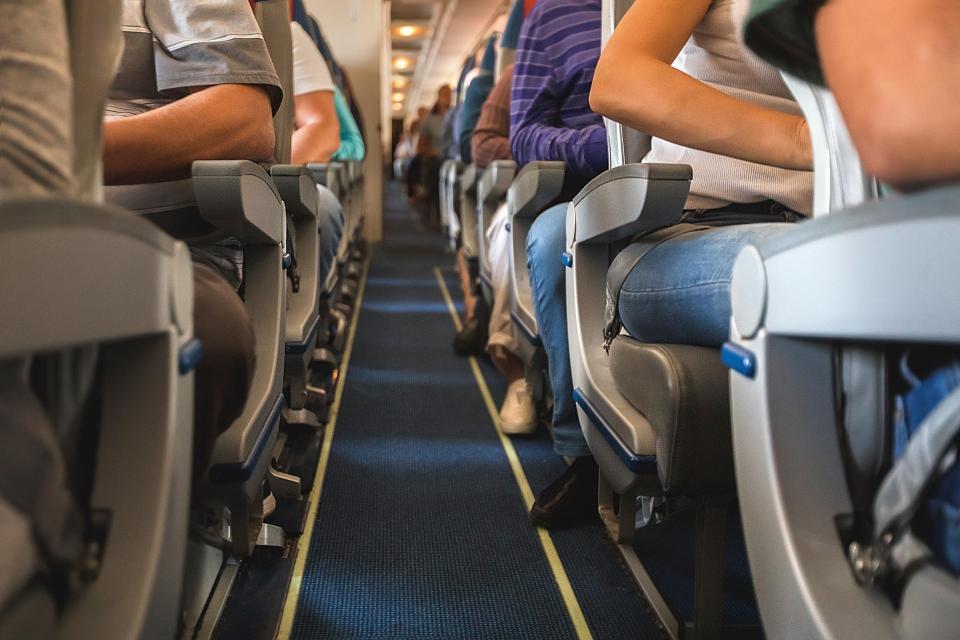 Southwest Airlines reduced the number of seats in economy class to free up space for premium
Getty
Southwest Airlines reduced the number of seats in economy class to free up space for premium
Getty
Strategic Changes in Air Transportation
Why aren’t airlines just expanding the premium segment while keeping economy seats at the same level? The answer is that most of them are modernizing their planes rather than introducing new ones. The demand for premium tickets has increased over the past five years, so airlines want to meet the demands of travelers willing to pay more.
According to USA Today, United Airlines plans to invest in new premium products and services in the coming years.
Reportedly, one of the airlines servicing long-haul routes, Virgin Atlantic, has the smallest economy seats with a distance between seats of 30-31 inches and a width of 17.5 inches.
Alamy
Premium economy seats provide five to seven inches more legroom and two to three inches more recline, as well as somewhat wider seats. With a premium economy ticket, travelers often receive priority service during check-in and boarding, as well as a higher luggage limit.
On board, passengers can enjoy additional privileges such as footrests, adjustable headrests, and gourmet meals. However, it’s worth noting that you will have to pay more for this — a premium economy ticket can cost from 30% to twice as much as a standard economy ticket.
For example, a ticket in October from London Heathrow to New York (JFK) in economy class starts at £356 with Virgin Atlantic. The economy Light class offers seats with a distance of 31 inches without checked baggage, but with a free carry-on bag of up to 10 kg, food, and drinks, including alcohol.
On the other hand, an upgrade to the premium segment will start at £1,692.82, which includes a larger seat, two checked bags of 23 kg each, a 10 kg carry-on bag, priority boarding and check-in, premium meal service, as well as alcoholic and non-alcoholic drinks.
Lastly, one of the best airlines in the world plans to introduce new “revolutionary” seats in economy class, which will further change the situation in the market.
Reducing the number of seats in economy class on planes has become an important step for airlines in their quest to increase profits, particularly through the development of the premium segment. These changes respond to the demands of travelers willing to pay more for comfort. Accordingly, the restructuring of air transportation may provide new opportunities for industry growth. Time will tell if the new approach can satisfy both more affluent passengers and those who prefer economical travel options.
Read also
- Paper Tickets Now Mandatory for Certain International Routes, Ukrzaliznytsia Warns Travelers
- A Hidden 1989 Inscription by Metro Builders at Kyiv’s Golden Gate Station: What Lies Behind the Wall
- Buses from Ukraine to Poland Suspended for 18 Months Due to Repairs at Shehyni-Medyka Border Crossing
- Suitcase delivery to parcel lockers across 8 EU countries launched by InPost – pricing revealed
- Bus Service to Poland via Shehyni Checkpoint to Halt for 18 Months Starting June 15, 2026
- Over 10 Odesa Beach Zones Certified and Ready for Summer Season