








Advertising
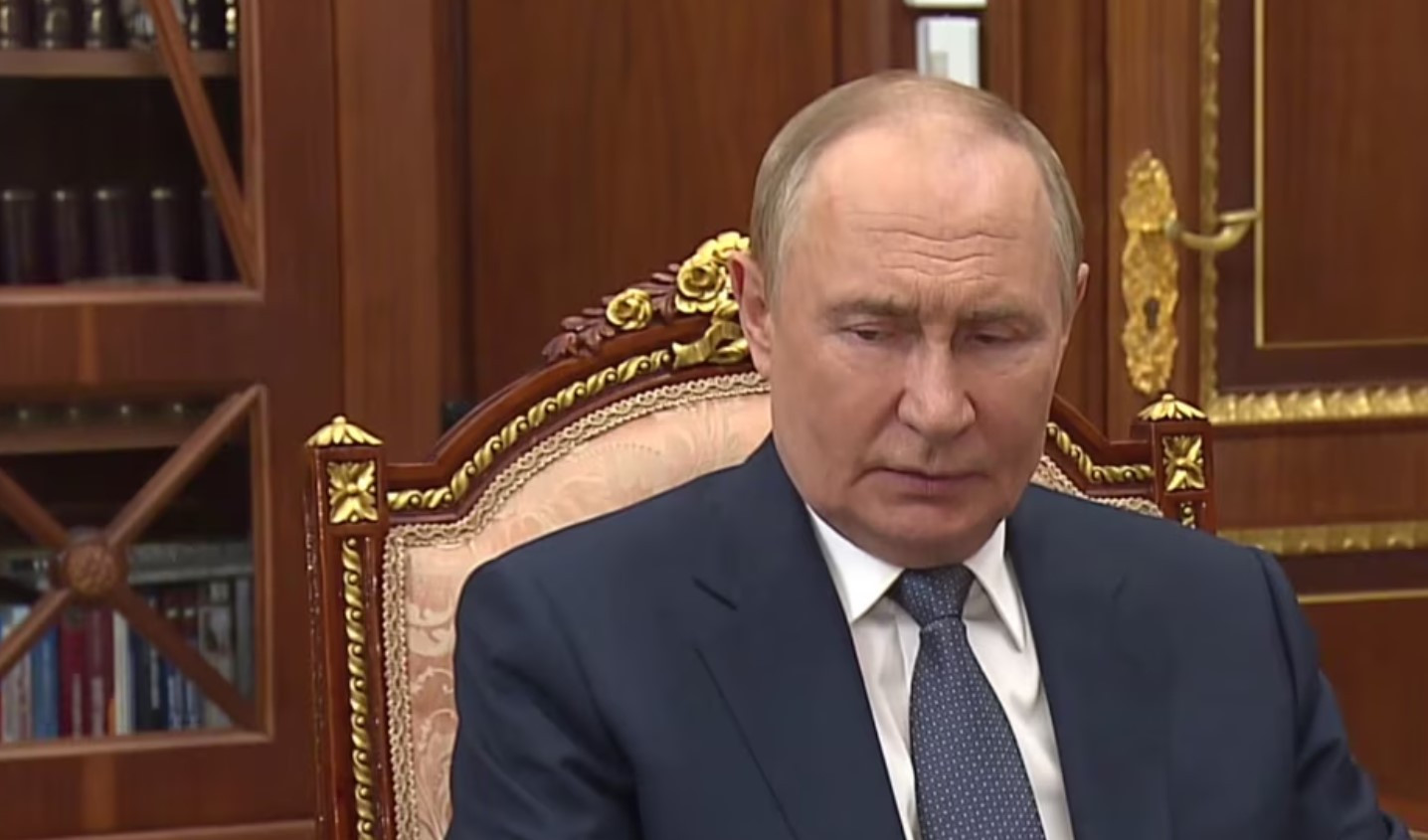




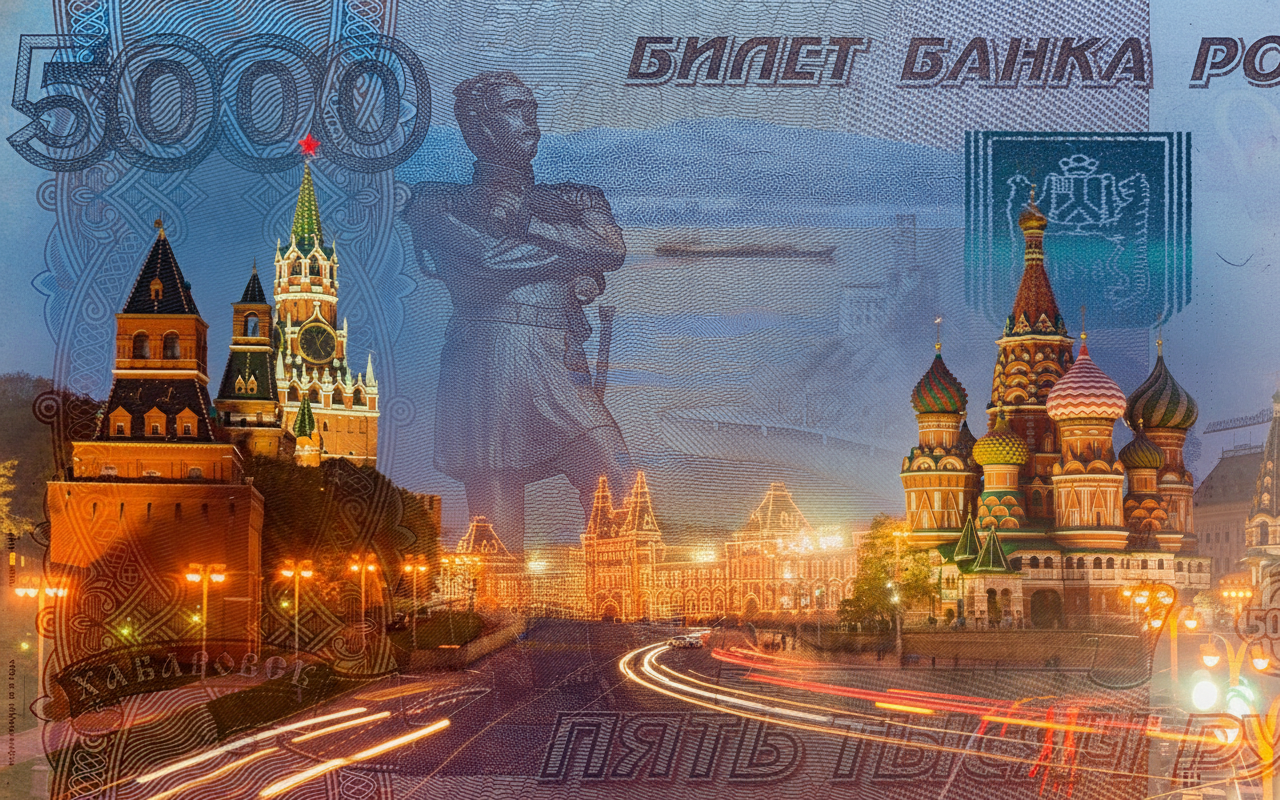
Russia Considers Seizing Citizen Funds to Bolster Military Spending: Inside the Proposed Bill
Mandatory Asset Confiscation on the Table in Russia Discussions are intensifying in Russia about forcibly taking money from the public to fund the army, driven by a widening budget deficit. Communist leader Gennady Zyuganov has called for mobilizing roughly 130 trillion rubles from corporate and per...
today, 02:18
276

Diesel Prices in Ukraine Drop by 14.5 Hryvnias: Why Gasoline Isn’t Following Suit
yesterday, 23:24
356

New Ukrainian Coin Honors Legendary Hero Kyrylo Kozhumyaka
yesterday, 21:54
347
Horoscope
LIFESTYLE



Tourism




A Fresh Take on Zucchini: Simple Cheese Rolls in Tomato Sauce Recipe
today, 02:12
259
Capricorn Full Moon on June 30: Who Will Feel Its Strongest Effects
yesterday, 20:24
328
10-Minute Stuffed Zucchini with Meat: A Quick and Delicious Dinner Idea
yesterday, 15:24
355
Tech


Chargers Left Plugged In Still Drain Power: How Much Extra Ukrainians Are Paying
yesterday, 18:00
347

Smartphone Battery Drain from GPS: How to Disable Location on Android and iPhone
yesterday, 12:24
394
Society




Showbiz



Sports
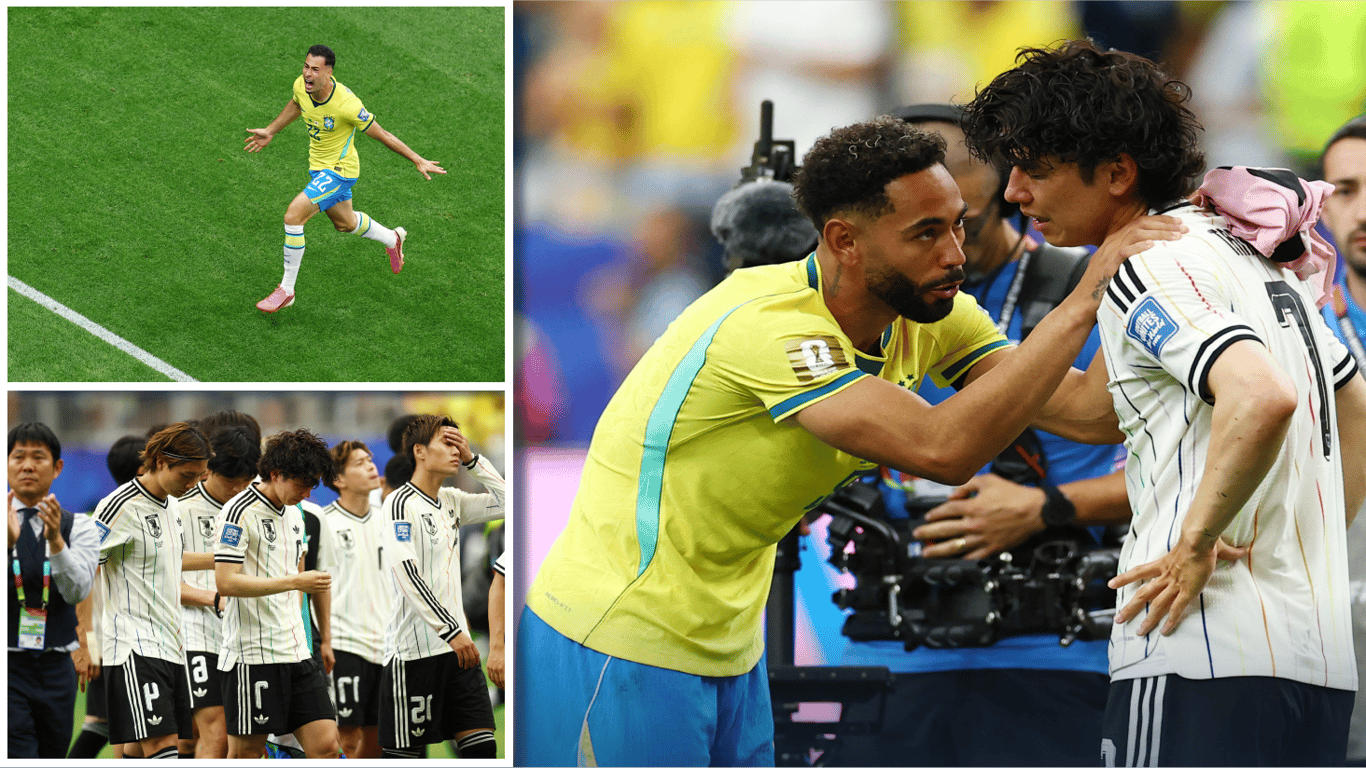
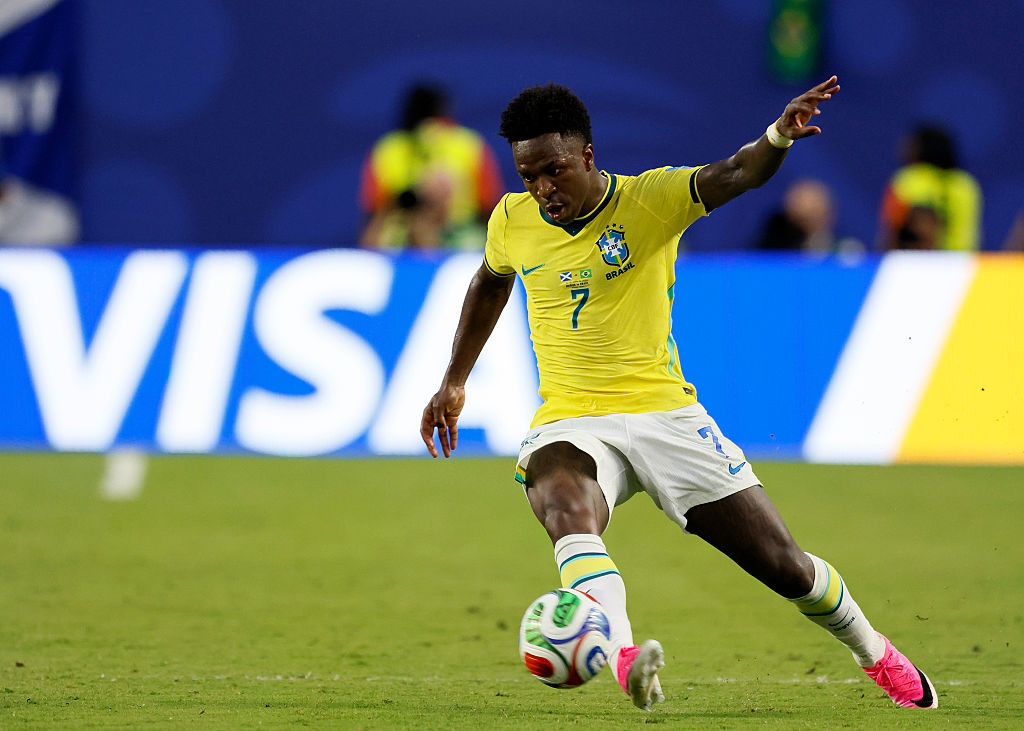
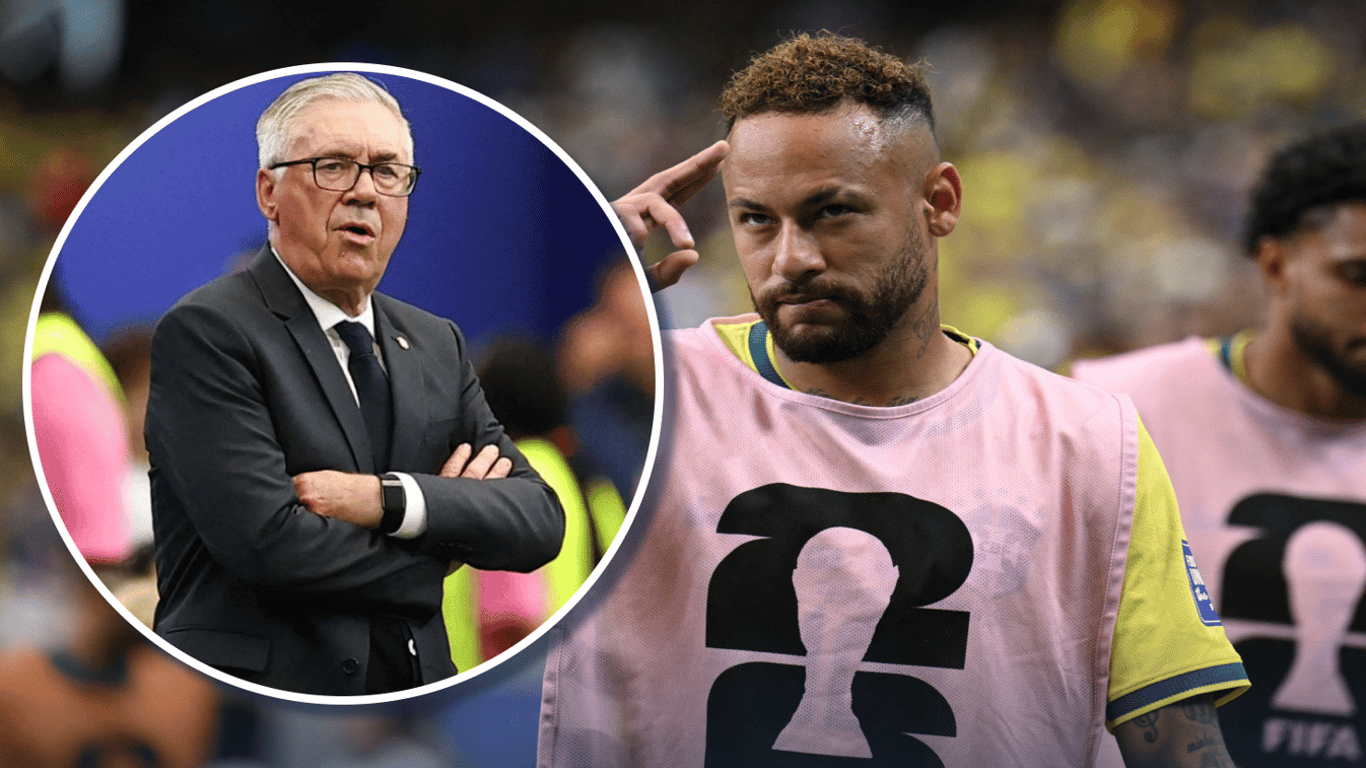

Brazil Snatches Last-Minute Victory Over Japan in World Cup 2026 Round of 16
yesterday, 23:12
364
2026 World Cup: Brazil Takes on Japan, Germany Faces Paraguay in Round of 32
yesterday, 17:00
395
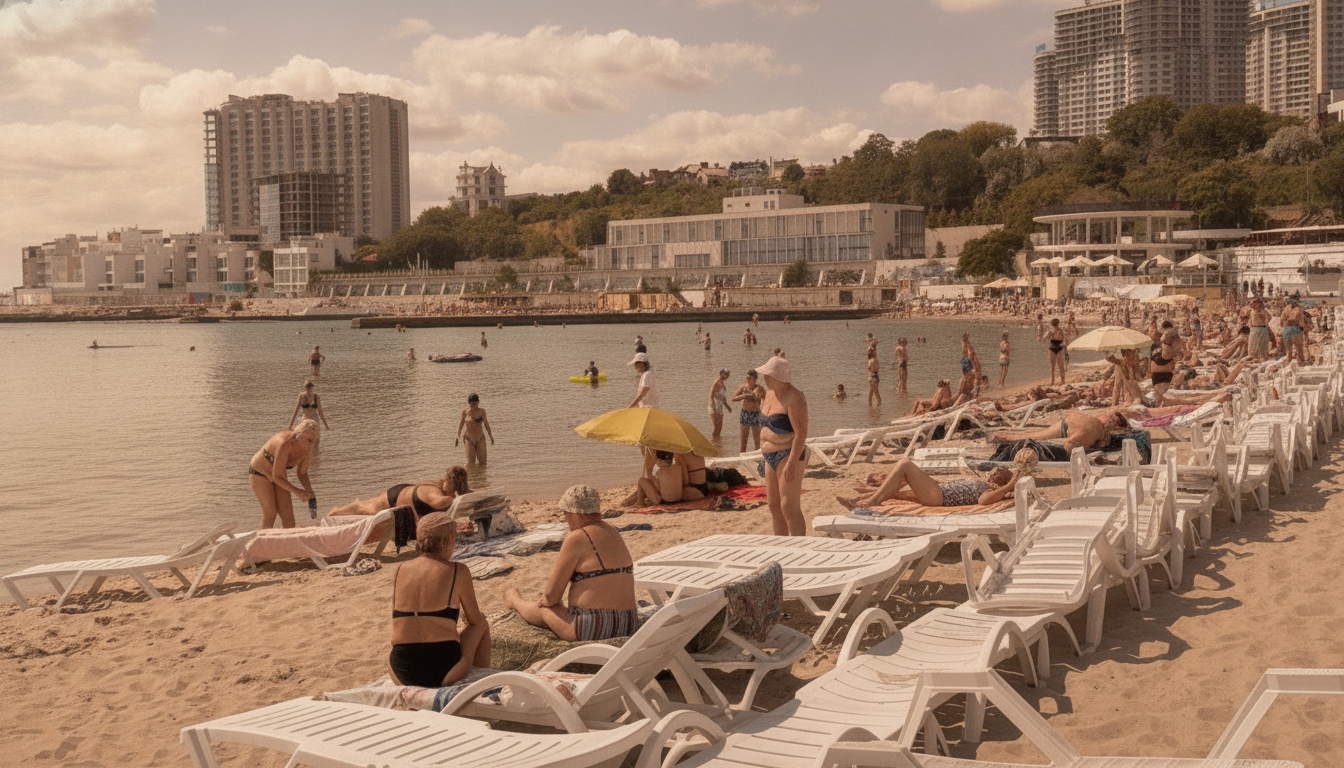
Family Vacation in Odesa 2026: What a Trip with a Child Really Costs
today, 03:48
142
Wizz Air Launches a 24-Hour Flash Sale: European Flights Starting at €19
yesterday, 13:48
360