









Advertising


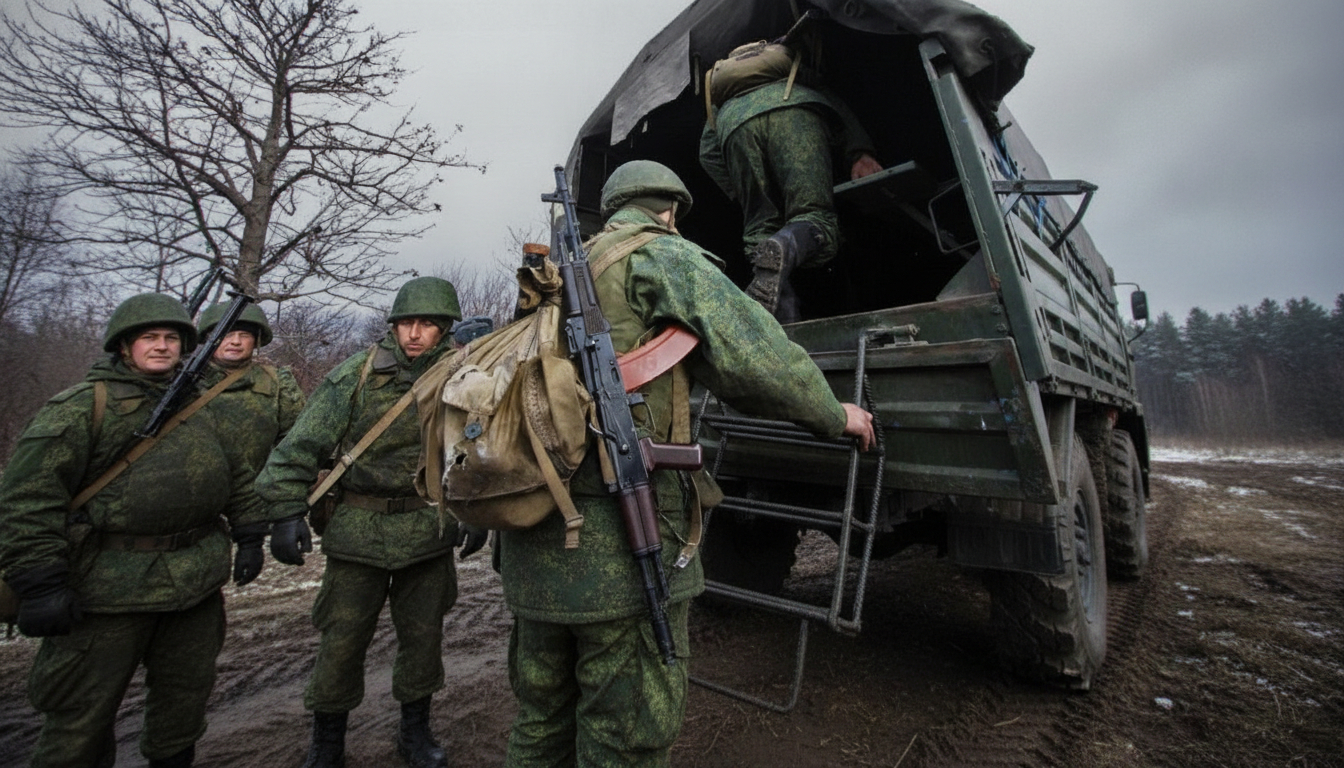




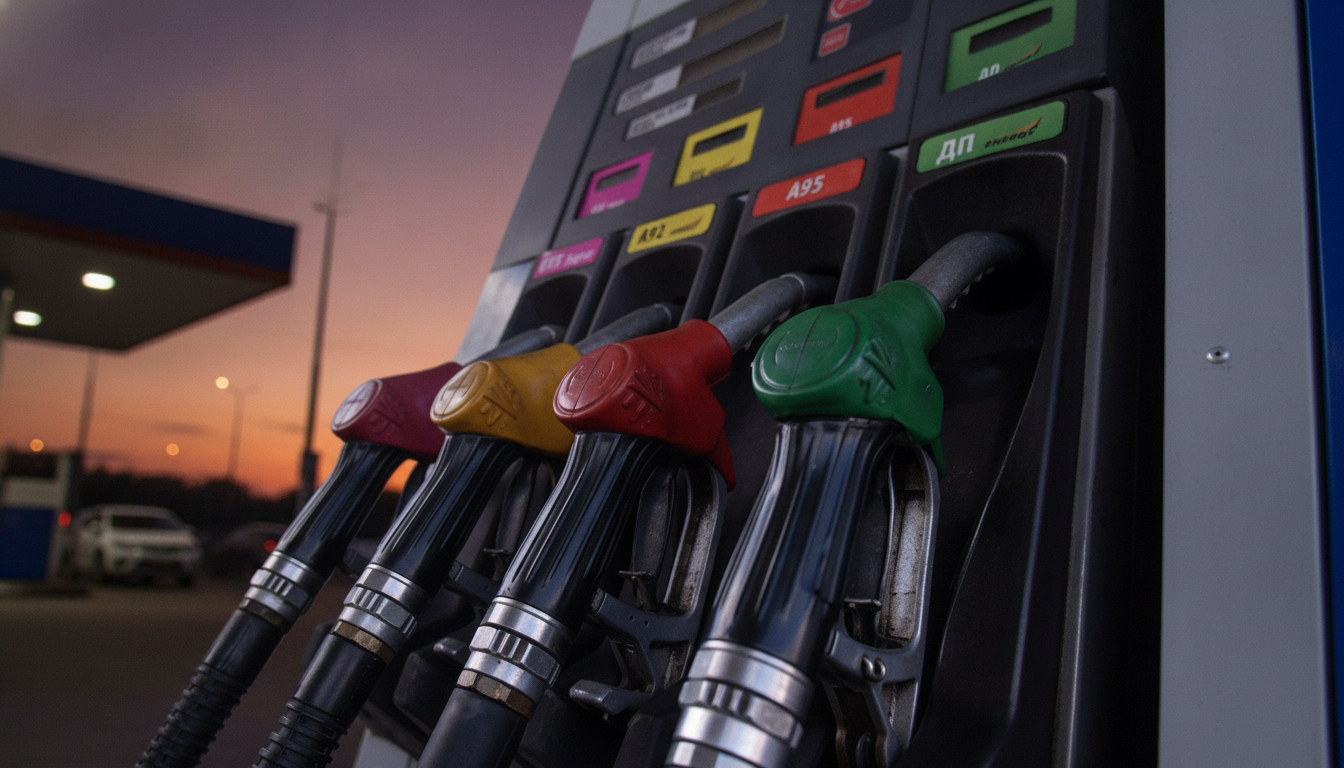
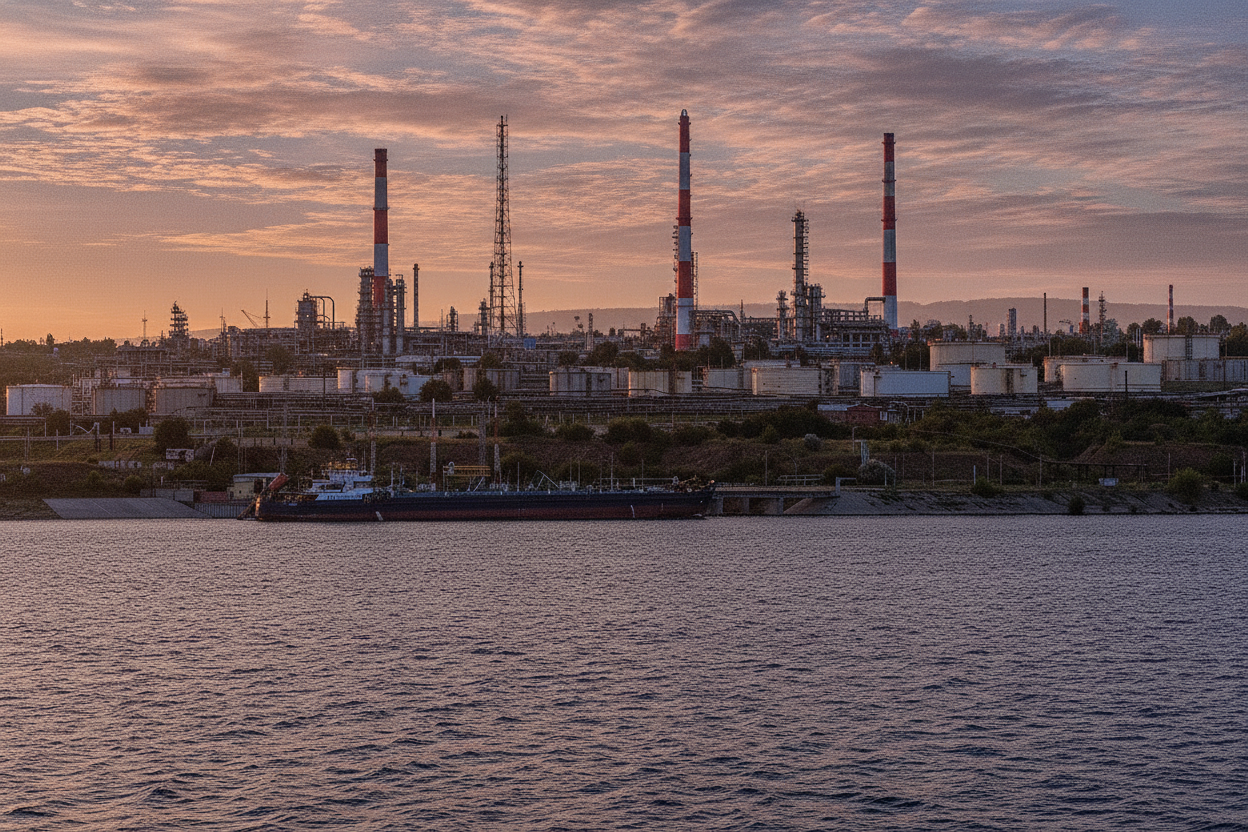
Ukraine’s Drones Cripple Russia’s Largest Oil Refinery, Sparking Fuel Shortages and New Export Bans
Strikes on Russia’s Energy Infrastructure Ukraine has intensified its assaults on Russian energy infrastructure, causing major disruptions at oil refineries and leading to severe fuel shortages across the country. On July 8, 2023, drones struck the CDU-6 crude distillation unit, which has a processi...
yesterday, 22:00
453


Kazakhstan Seals Its Border with 59 Checkpoints Amid Russia’s Fuel Crisis
yesterday, 19:30
419
Horoscope
LIFESTYLE
Tourism







Tech


Serbian Gamer Fixes RTX 3070 Using a Part Salvaged from an Old Radio
today, 15:30
216

Society




Journalist Honored for Documentary on Orphans Who Endured Occupation
today, 11:42
333
History Teacher Banned from Teaching Until 2032 for Justifying Russia’s War
yesterday, 20:30
395
Showbiz



Sports


Marta Kostyuk's Wimbledon 2026 Run Ends: Finalists Now Set
yesterday, 21:48
402


South Korea Introduces Remote Work Visa with New Residency Rules
today, 00:00
417
Moving to Romania? A Ukrainian Blogger Shares Key Advice for Relocation
yesterday, 12:36
417