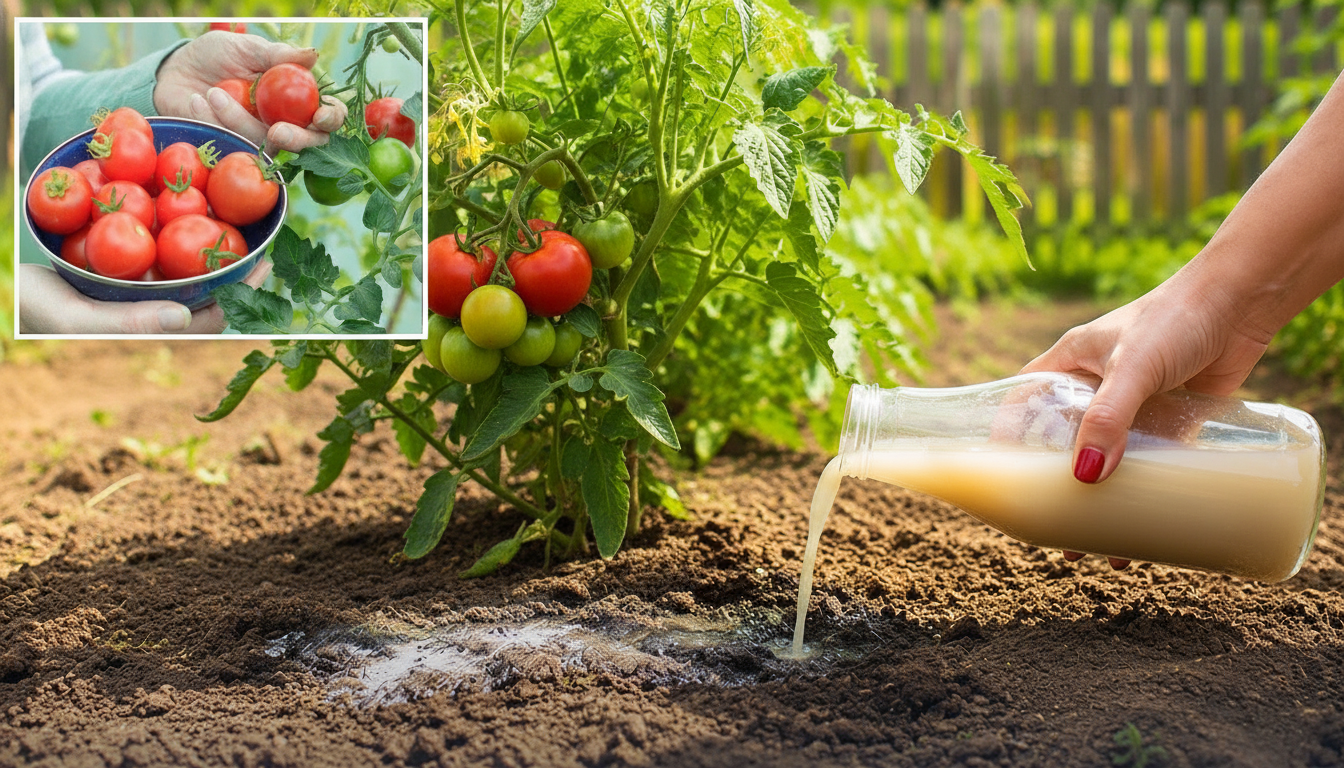








Why March is the Crucial Month to Apply Wood Ash in Your Garden.
The Gardener's Guide to Wood Ash
According to TSN.ua: For gardeners, March presents a key opportunity to use wood ash as a powerful, natural soil amendment. This readily available material offers a multi-purpose boost: it helps melt lingering snow, raises soil pH to combat acidity, enriches the earth with essential minerals, and acts as a natural disinfectant. Applying it now is a strategic step to prepare your garden for the vigorous growth of spring.
Wood ash is rich in calcium salts, including carbonates, silicates, and sulfates, and contains over 30 beneficial trace elements. For optimal results, apply one to two cups per square meter; this dosage maximizes benefits without harming plants. It's important to note that wood ash contains no nitrogen, so it should be combined with other fertilizers that provide this vital nutrient for balanced plant nutrition.
The Key Benefits of Using Ash
Incorporating ash into your gardening routine provides several distinct advantages:
- Accelerates soil warming and snowmelt, giving plants a head start in early spring.
- Neutralizes acidic soil, creating a more favorable environment for most plants to thrive.
- Fertilizes the soil with a broad spectrum of minerals that support healthy plant development.
Furthermore, wood ash serves as a natural soil disinfectant, helping to suppress certain pests and diseases and promoting overall plant health. To ensure effectiveness, gardeners must understand proper application techniques and which fertilizers should not be mixed with ash to avoid reducing their potency. This practice is common among organic gardeners seeking sustainable solutions.
Ultimately, applying wood ash in March is a highly beneficial practice for improving soil quality and ensuring robust plant growth. By leveraging the advantages of this natural amendment, gardeners can set the stage for a productive and healthy growing season.
This approach underscores the value of using natural fertilizers in gardening, particularly within the framework of eco-friendly and sustainable practices.
As an accessible resource, wood ash offers a practical alternative for gardeners aiming to enhance growing conditions without relying on synthetic chemicals. Given that spring preparation is critical for garden success, knowing how to correctly use wood ash can significantly impact the health and yield of your plants in the coming months.
Read also
- Chicken Manure as a Super Fertilizer: When and How to Apply It for Maximum Crop Yields
- How to Make Juicy Zucchini Burgers with Chicken and Cheese: A Simple Recipe
- Stop Greasy Kitchen Cabinets: 4 Proven Methods for a Spotless Finish
- 30-Minute Homemade Flatbreads: An Easy Recipe with Just a Few Ingredients
- The Ultimate Chicken Salad Formula: Chef Pan Fartukh Reveals the Perfect Ratios
- 8 Out of 10 Drivers Get Tire Buying Wrong: Here’s How Old Rubber Becomes a Deadly Risk