DNA Test ‘Buried’ a Soldier Who Was Still Alive: Ukraine’s Interior Ministry Denies Any Mistakes.

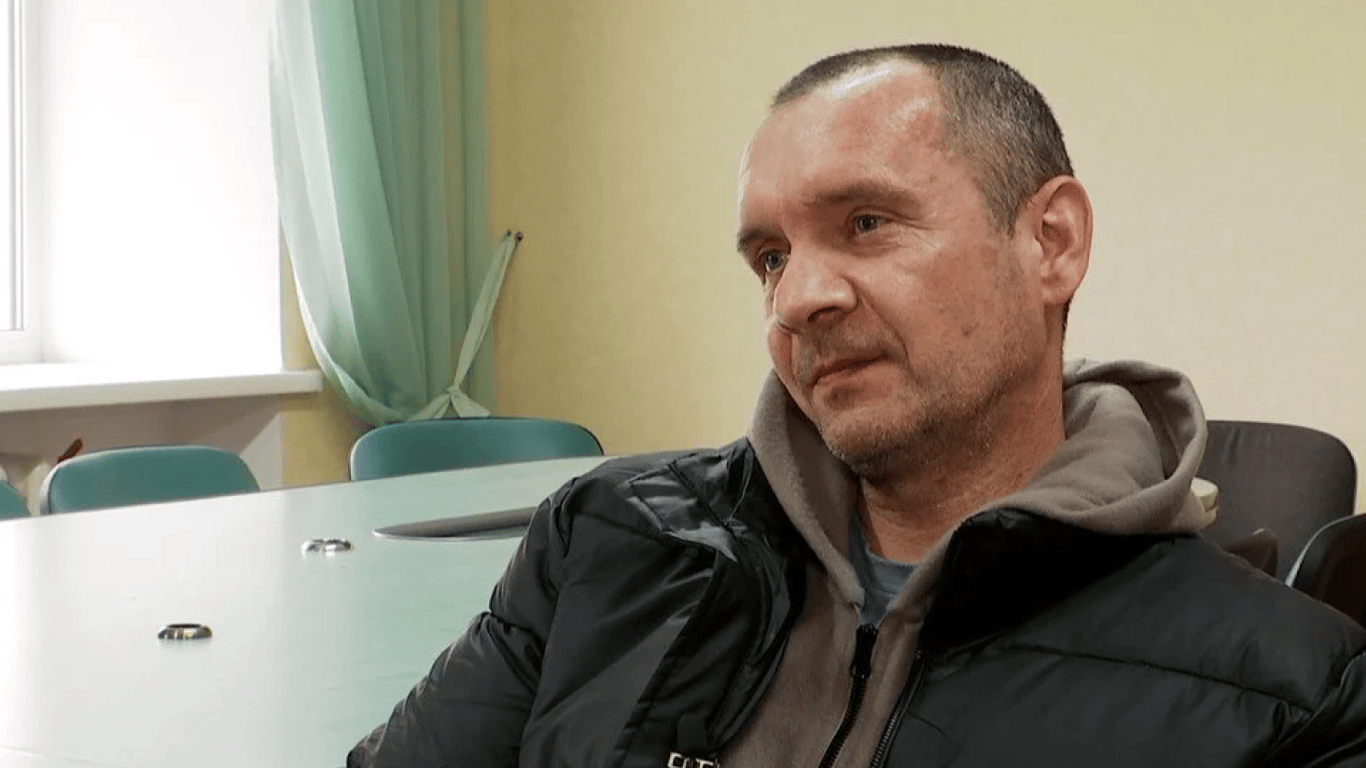
The Case of Nazar Daletskyi
According to Novyny.live: Ukraine’s Ministry of Internal Affairs has rejected claims of errors in the case of soldier Nazar Daletskyi, whose DNA analysis initially indicated he was among the dead—despite the fact that he was alive. Daletskyi went missing during a combat mission in May 2022 and was released from Russian captivity in February 2023. The case drew widespread attention after remains were discovered that, based on preliminary evidence, were believed to be his.
A DNA sample from Daletskyi’s mother matched the remains found in the Kharkiv region with 99.9% certainty. Those remains were uncovered following Ukraine’s counteroffensive in the Kharkiv area, raising serious questions about the accuracy of identifying fallen soldiers. Investigators also looked into the shooting of civilian vehicles on September 30, 2022, an incident potentially linked to the events in which Daletskyi was involved.
Investigation and Identification
In January 2023, one biological sample taken during the investigation showed a high probability of being related to Daletskyi’s mother. However, officials from the Interior Ministry insisted that
“there were no mistakes”, citing conclusions from the State Research Forensic Center of the Ministry of Internal Affairs of Ukraine. This stance was supported by expert Leonid Tymchenko, who stated that
“the soldier’s mother’s DNA matched the remains with 99.9% certainty.”
As a result, the situation surrounding Nazar Daletskyi remains deeply complex, given the many challenges involved in identifying the deceased and securing the return of soldiers from captivity.
This case underscores the difficulty of identifying fallen military personnel during wartime—a process that blends humanitarian concerns with the pursuit of justice. The Interior Ministry’s denial of any errors in Daletskyi’s case may reflect efforts to maintain truth and transparency in the investigation, especially as soldiers continue to return from captivity. For families of the deceased and for servicemen enduring loss and uncertainty, resolving such cases is of critical importance.
Read also
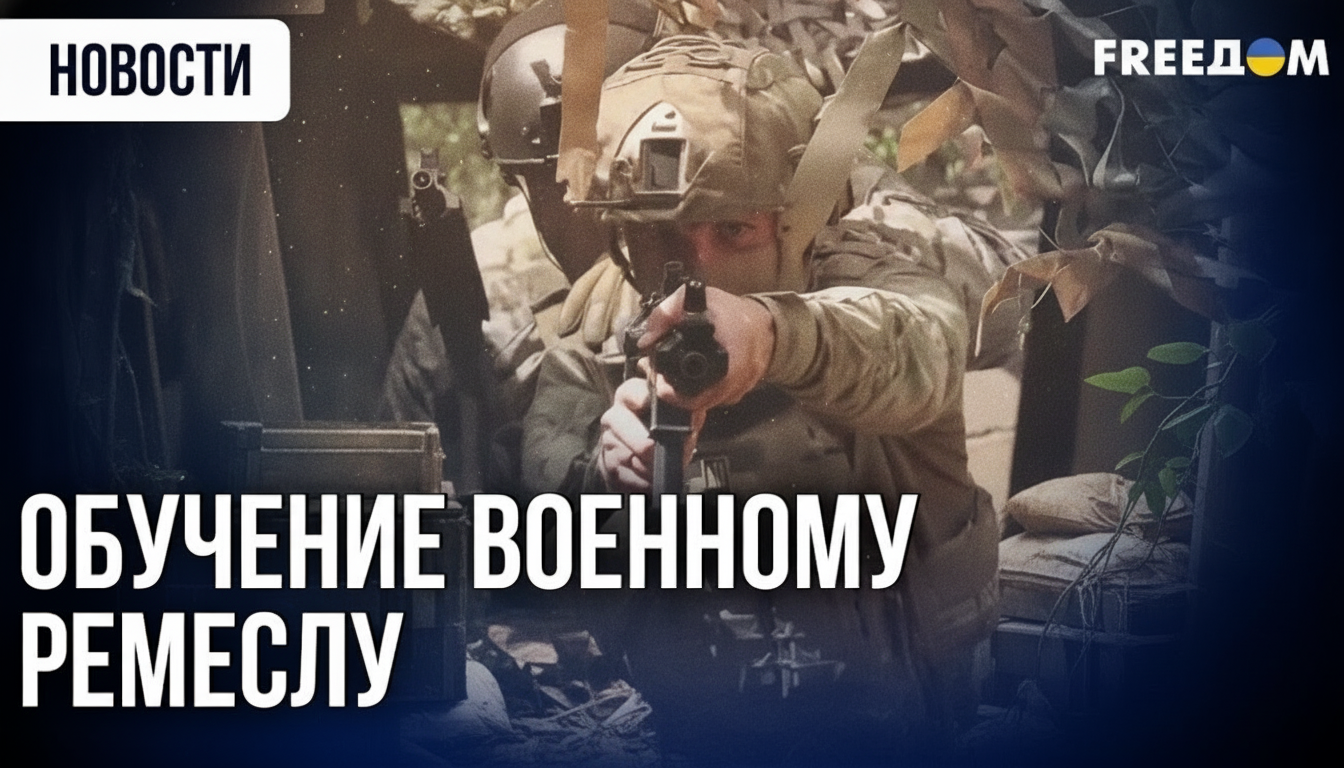
- Real Combat Readiness: How the National Guard's 'Scythian' Brigade Trains Its New Recruits
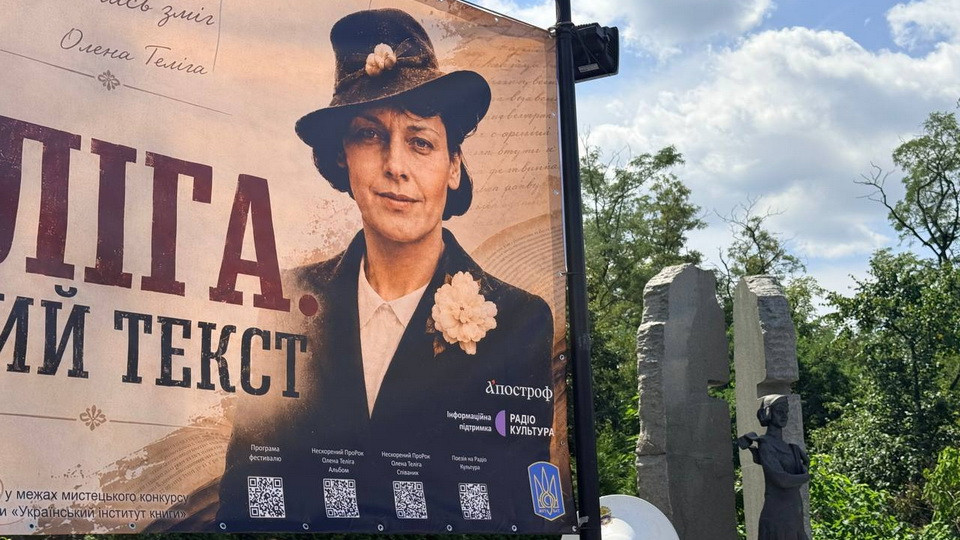
- Poetry, Music, and Remembrance: Honoring Olena Teliha at Babyn Yar
- Population of Donbas Drops by One-Third Over a Decade: Russia's Demographic Devastation
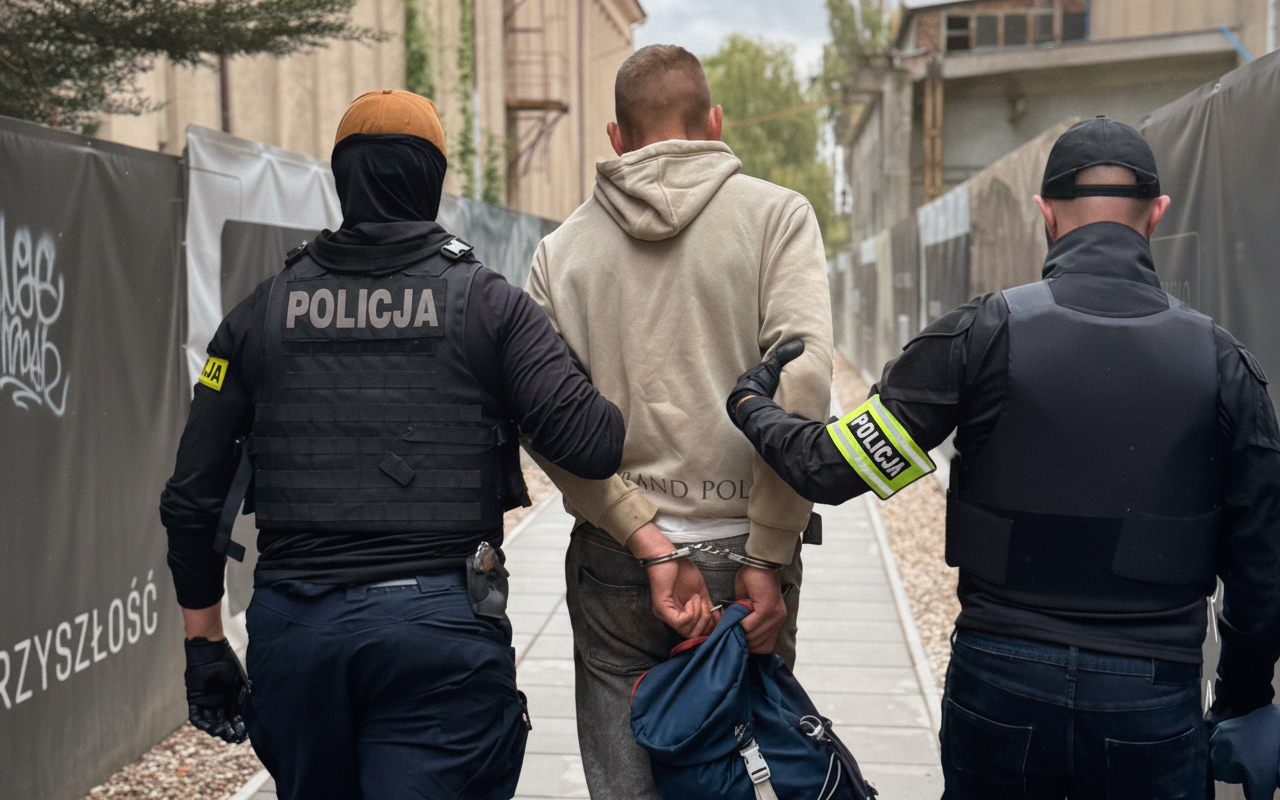
- Two Men Arrested in Poland for Beating a Local Who Defended a Ukrainian Teen
- Teacher Fined in Ukraine for Using Russian in Classroom: Here’s What Happened
- Ukraine's Security Service Dismantles Fake Job Scheme for Draft Dodgers: Hundreds of Exemptions Sold for $5,000 Each