Main News









Advertising

Advertising






Ukrzaliznytsia Official Accused of Causing $48 Million in Losses Through Auction Mismanagement
Corruption Schemes at Ukrzaliznytsia An official from Ukraine's state railway company, Ukrzaliznytsia, is under suspicion for allegedly causing 48 million hryvnias in damages due to improper handling of auctions on the 'Prozorro.Sales' platform. Law enforcement in the Kyiv region has formally notif...
today, 02:24
227
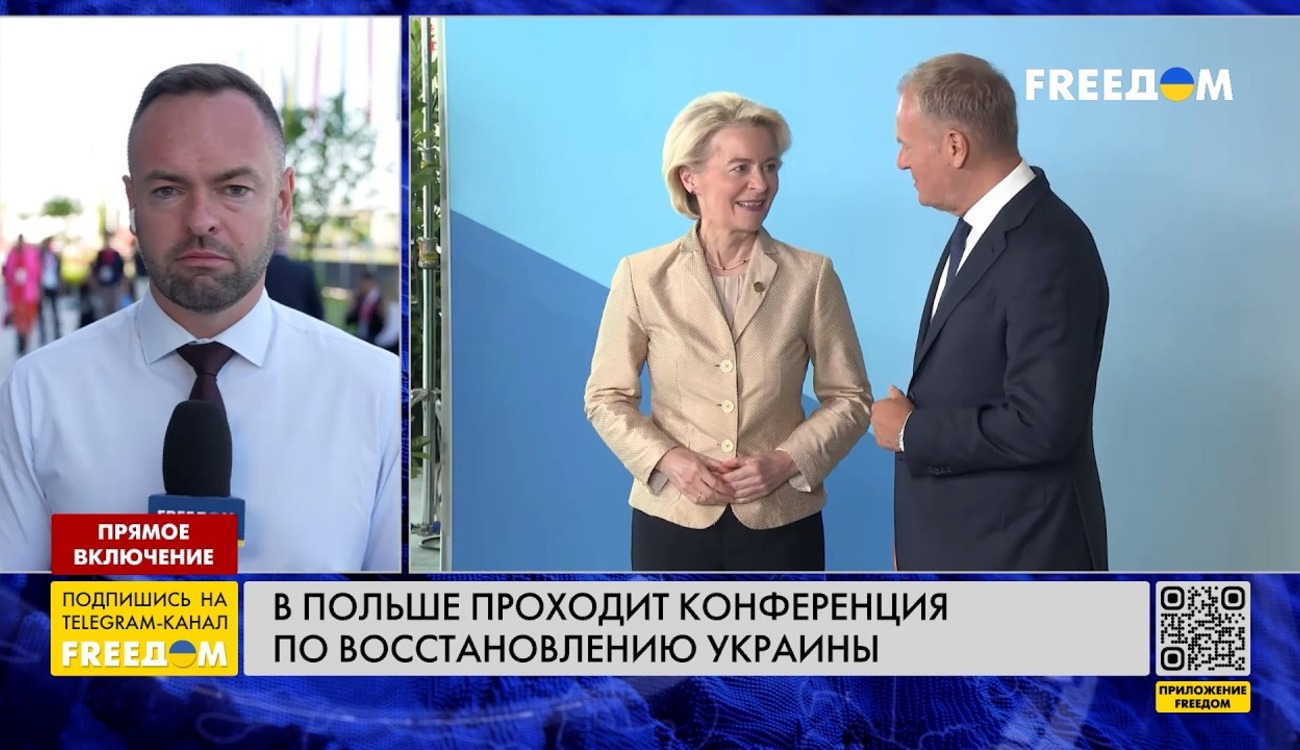
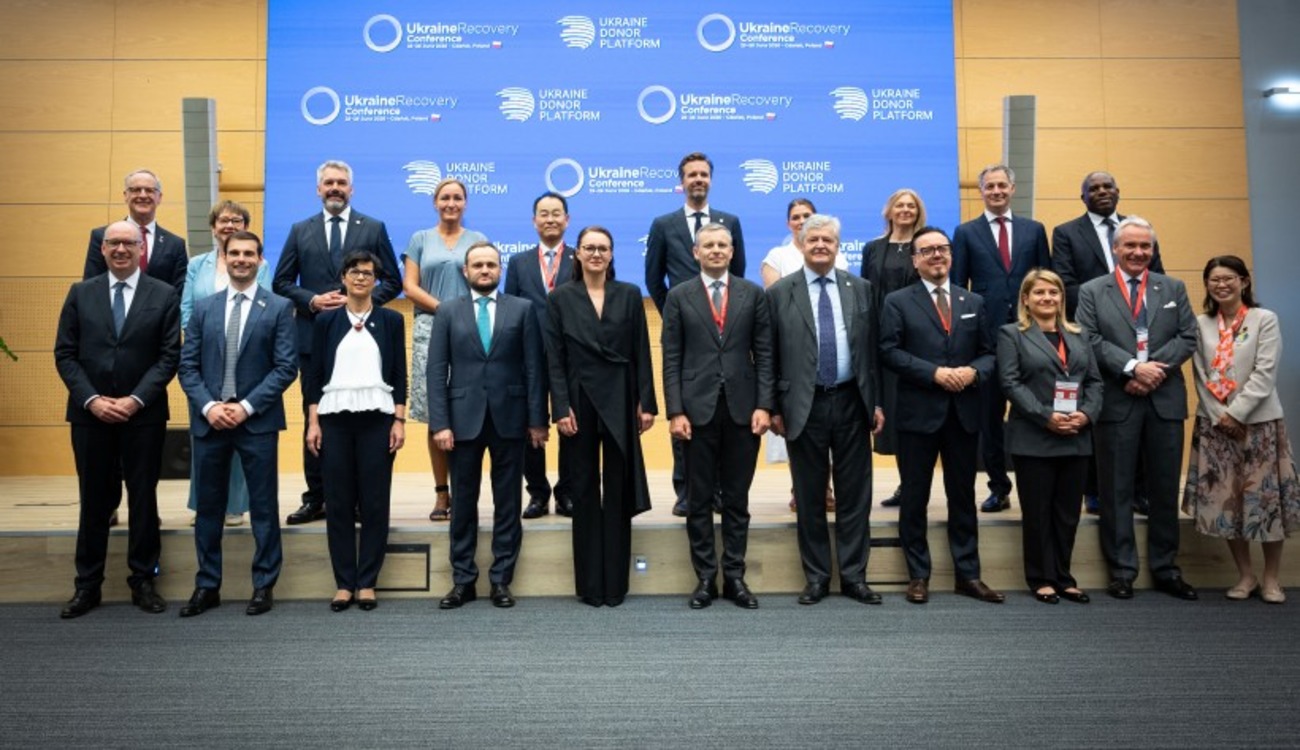
€10 Billion for Ukraine: 160 Deals Signed at Gdańsk Recovery Conference
yesterday, 23:42
360
Horoscope
LIFESTYLE




Tourism



How to Make Quick Apricot Jam in Just 5 Minutes
today, 02:12
224
The Ultimate Guide to Freezing Strawberries: Locking in Fresh Flavor for Months
yesterday, 23:00
299
5 Fragrance Mistakes That Men Find Irritating: A Guide to Scent Selection
yesterday, 20:24
312
Celebrity Nail Artist Reveals the Best Pedicure Colors for Flawless Feet
yesterday, 19:31
351
Tech




The apps that drain your smartphone battery the fastest have been revealed
yesterday, 17:48
358
Top Compact Electric Car Revealed by Experts: Test Results Are In
yesterday, 16:30
388
Society


Showbiz



Kyrylo Budanov biography: life, career and wife
yesterday, 15:15
411
Netflix Reveals Korean Horror Series 'Eastern Palace' with Premiere Date
yesterday, 09:06
458

Sports




Affordable Summer 2026: Bulgaria and Turkey Reveal Vacation Costs for Ukrainians
yesterday, 13:42
391