Medicament Crisis in the EU: Why Vital Drugs Are in Short Supply.
19.09.2025
744

Journalist
Shostal Oleksandr
19.09.2025
744
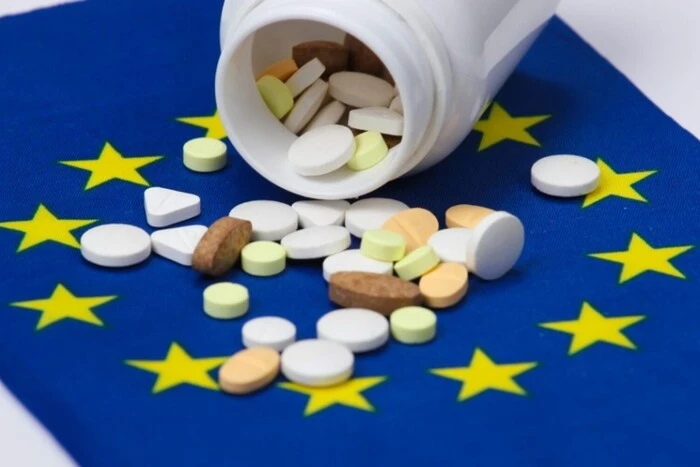
The Shortage of Medicines in EU Countries is Becoming a Serious Problem
In countries of the European Union, the problems associated with the shortage of medicines are becoming increasingly significant. According to the Audit Office, last year this issue reached record levels. As reported by the 'Glavcom' portal, the information is provided by Euronews. According to the European Medicines Agency (EMA), there were 136 cases of critical medicine shortages recorded between 2022 and 2024. As of March this year, it turned out that there was a shortage of 34 drugs, of which 16 are included in the list of essential medicines defined by the European Commission."Critical shortages included essential medications such as thrombolytics, the antibiotic amoxicillin, and antidotes for cyanide poisoning."Shortages arise due to difficulties in production, sudden increases in demand, or manufacturers' decisions to withdraw drugs from sale. This leads to supply constraints on both a temporary and a long-term basis.
Fragmentation of Data and Diverse Regulations
One of the main issues is the absence of a unified system for accounting medicine availability and their stocks. Requirements for manufacturers vary significantly in each country. For example, in the Netherlands, a manufacturer is obliged to notify the Ministry of Health about the shortage of stocks two months before the expiration of the supply period. In Belgium, however, the manufacturer can wait until the stocks are actually depleted."Auditors noted that EU legislation on critically important medicines does not provide for enforcement mechanisms that would allow regulatory authorities to ensure compliance by manufacturers with their obligations."Unfortunately, even after the adoption of new laws and initiatives by the European Commission and EMA, the situation with drug shortages remains challenging. The list of medicines provided free of charge to patients at the expense of the state budget has been expanded. The situation with the shortage of medicines in EU countries is becoming a serious problem for the population. The fragmentation of data and different regulatory rules significantly complicate the control of medicine supply, worsening the situation even in well-developed European countries. Establishing common standards and monitoring mechanisms could be an important step towards addressing this urgent issue.
Read also
- Three Ukrainians Without Documents Rescued from Occupied Territories Under Bring Kids Back UA Initiative
- Ukraine’s first underground kindergarten opens in Kharkiv, accommodating 260 children
- Ukraine's ports crippled by Russian strikes: 28 vessels hit, 21 killed
- 24 Children Rescued from Occupied Territories by Save Ukraine, Including Injured 13-Year-Old Anhelina
- Woman Faces Up to 7.5 Years in Prison After Attacking Children for Speaking Ukrainian in Poland
- One of the Most Recognizable Voices on Ukrainian Radio, Journalist Oleksandr, Has Passed Away