










Why Hungary's EU Membership Remains Secure Despite Viktor Orban's Stance.
Hungary's Position and Its Relationship with the European Union
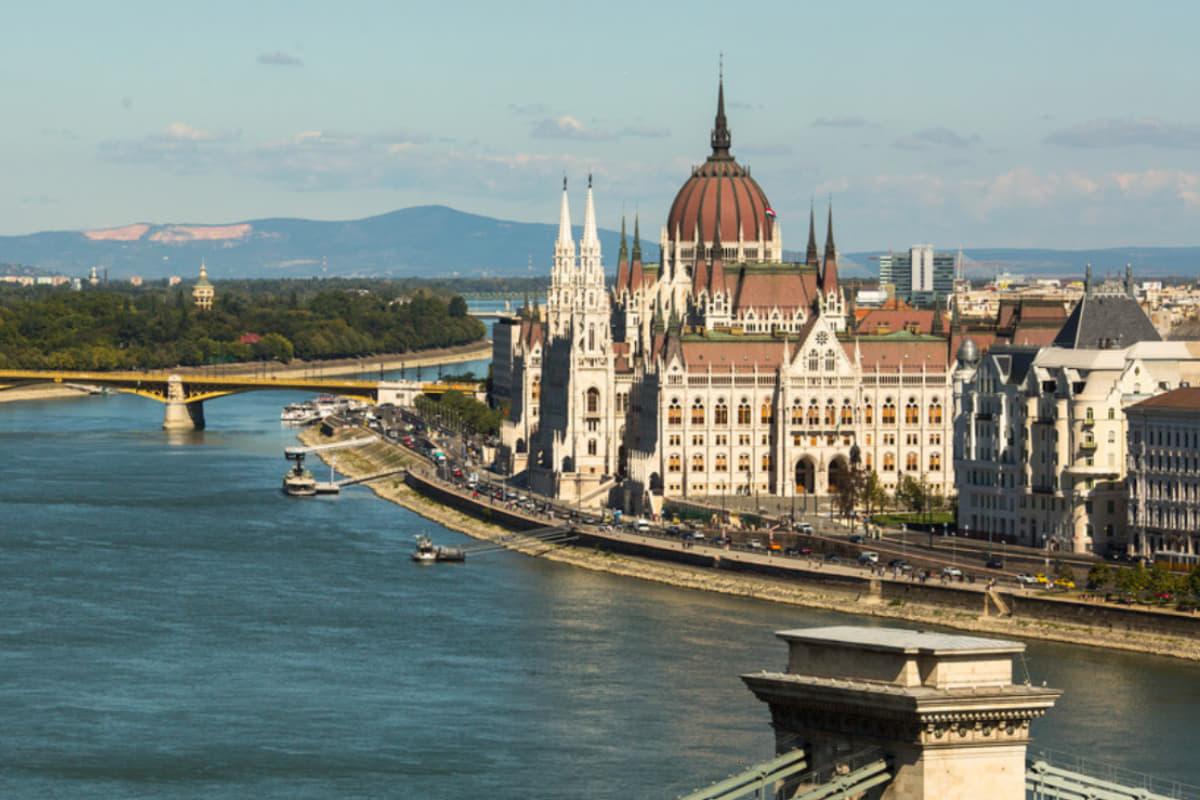
According to TSN.ua: The European Union lacks a legal mechanism to expel a member state, which is why Hungary remains within the bloc despite ongoing tensions. This structural reality has come to the fore as the EU has frozen a portion of its funds allocated to Hungary. Amid this political friction, Hungarian opposition leader Péter Márki-Zay has pledged to secure the release of these funds should his party win the next election.
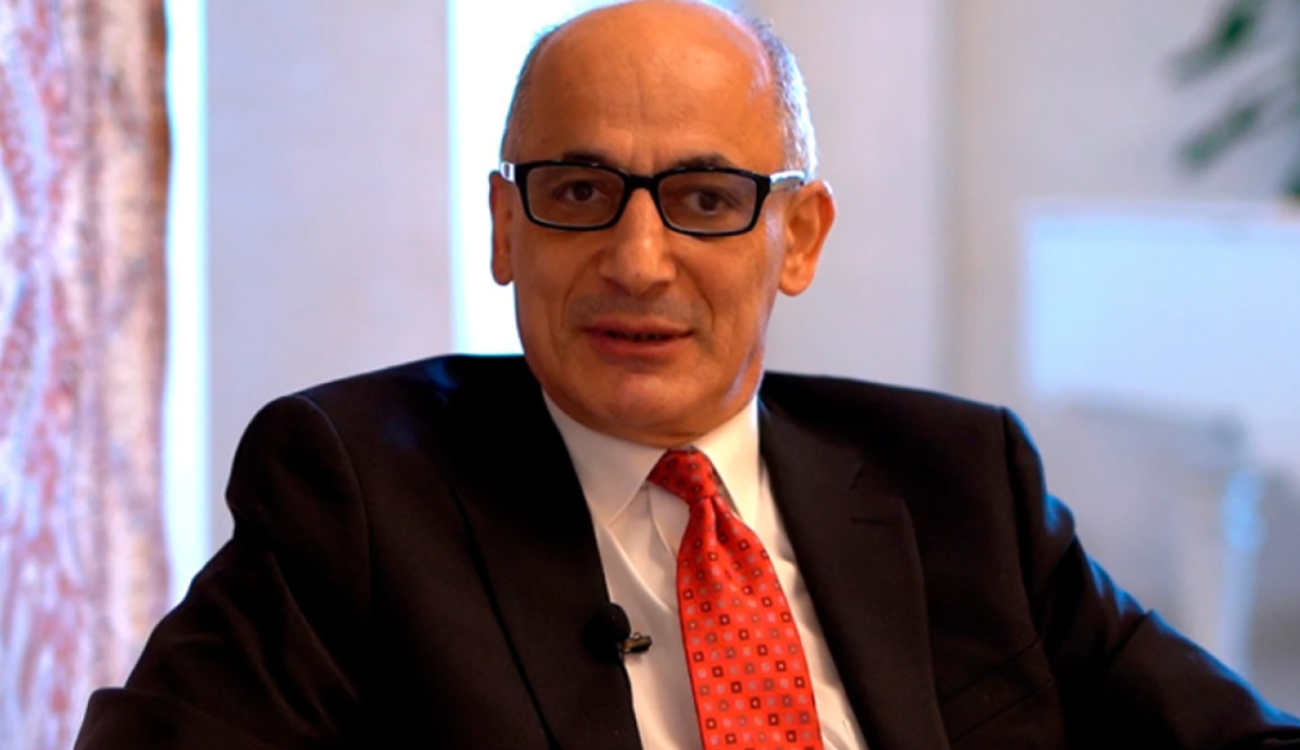
To date, Hungary retains its full EU membership, notwithstanding the significant policy disagreements between Budapest and Brussels institutions. Prime Minister Viktor Orbán continues to be a prominent, albeit controversial, figure within the Union's political landscape, drawing frequent criticism from European partners. As expert Kateryna Shymkevich notes,
“they cannot simply expel Orbán, because this is, after all, an EU country”.
Political and Financial Challenges
This issue is particularly significant against the backdrop of ongoing changes to voting procedures within EU institutions, a process that began in 2023–2024. Hungary has also actively urged the EU to lift its ban on imports of Russian oil and gas, a stance that further strains its relations with international partners. These matters remain pressing given the heightened political climate in the region and the financial pressures facing the country.
Consequently, the situation concerning Hungary and its EU relations remains a key agenda item, eliciting varied reactions and assessments from politicians and analysts. While no expulsion mechanism exists, questions of EU funding and political alignment are critically important for Hungary's future within the bloc.
As an EU member, Hungary continues to be at the center of political debates due to its positions, which often conflict with core European values. The dynamic between Budapest and Brussels could significantly impact the country's financial stability and its foreign policy amid global challenges. The outcome of future elections may prove a pivotal factor in shaping new strategies for cooperation with the EU, which would, in turn, influence the broader regional situation.
Read also
- Orban Ordered the Seizure of an Oschadbank Convoy: What We Know About the Armed Operation in Hungary
- Orban Personally Led a Raid on Oschadbank Armored Vehicles: What We Know
- Immunity in Exchange for a UN Post: Orbán’s Potential Appointment Sparks Questions
- Hungary Presents 11 Demands to Ukraine: Madjar Sets Conditions for Meeting with Zelenskyy
- June 16 Marks the Start of Ukraine's First EU Accession Negotiation Cluster
- Hungary Accuses Ukraine of Targeting TurkStream Pipeline: The Threat to Regional Energy Stability