How the War in Ukraine Pushed Finland and Sweden Into NATO: A Shift in the Political Landscape.

Finland and Sweden’s Political Landscape Transformed
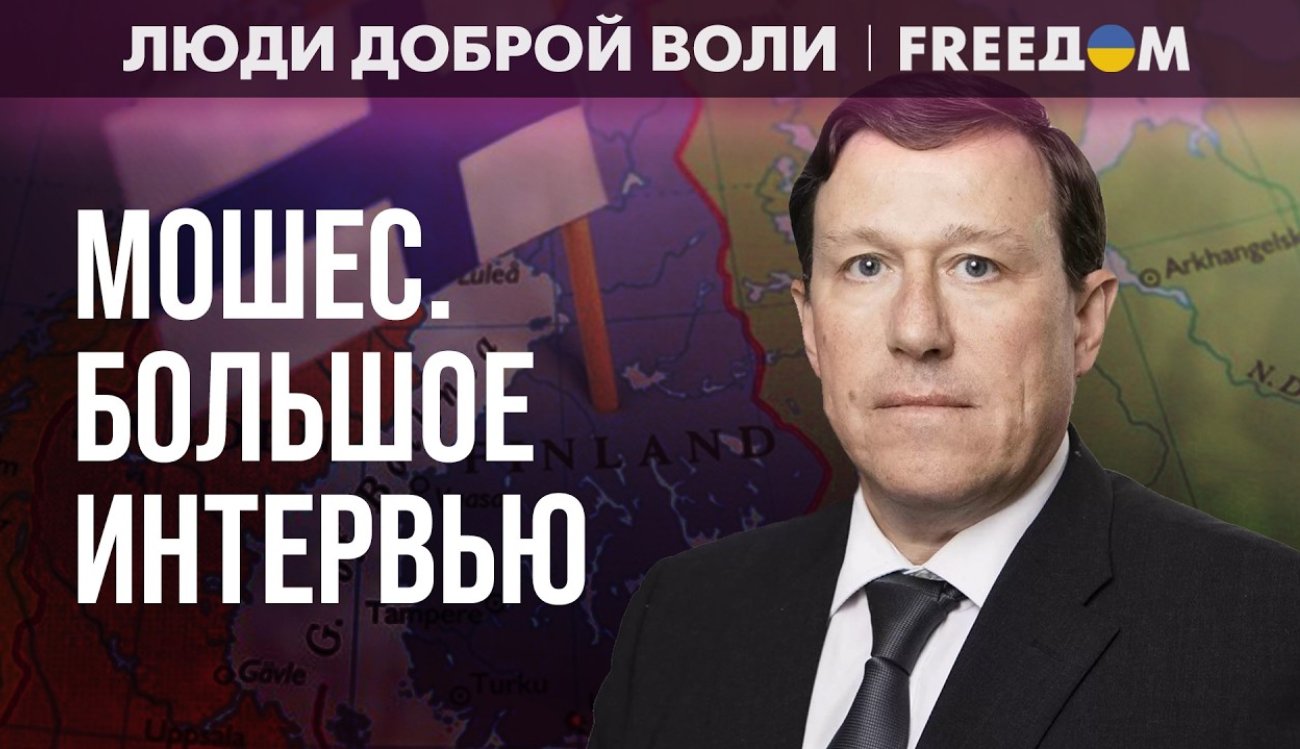
According to UATV: Political analyst Arkady Moshes, who directs the research program on the EU’s Eastern Neighborhood and Russia at the Finnish Institute of International Affairs, examines how the war in Ukraine and NATO membership have reshaped the political environment in Finland and Sweden. He stresses that historical events—especially the conflict with the Soviet Union—continue to heavily influence the region’s current dynamics. For context, both Finland and Sweden had long maintained policies of military non-alignment before Russia’s full-scale invasion of Ukraine.
Finland joined NATO in 2022, and within just three months, public support for membership surged from 25 percent to nearly 80 percent. This dramatic shift in public opinion reflects growing concerns about Russian threats. Moshes notes,
“Finland and Sweden joining NATO—if someone had suggested at the beginning of 2021 that this could become reality within a year, nobody would have believed them.”
A key symbol of the new reality is the closed Finnish-Russian border. In the early 2010s, about 13 million people crossed that border annually, but it has now been sealed for over three years. Moshes calls this closure a powerful emblem of changed circumstances. Meanwhile, roughly 85 percent of Finnish men complete mandatory military service, underscoring the country’s strong defense readiness.
The researcher also highlights Finland’s historical losses during the 1939 war with the Soviet Union, including the Karelian Isthmus and the city of Vyborg. “Finland itself was the target of an attack by the Soviet Union in 1939,” he points out. This past, Moshes argues, continues to shape Finland’s political consciousness and security strategies today.
Modern Threats and Lessons From History
Beyond Russia, other dangers persist in the region. Belarus holds over 1,500 political prisoners, a situation that alarms neighboring countries. Moshes observes that “the West, at least Europe, has no intention of stepping on the same rake twice,” emphasizing the importance of learning from past mistakes for current policy.
Discussions of Russian threats—including hybrid attacks and security risks—are becoming increasingly urgent amid new challenges. Moshes’ insights add critical context for understanding the political shifts in Finland and Sweden, which are unfolding against the backdrop of the war in Ukraine and rising geopolitical tensions in the region.
The transformations in Finland and Sweden’s political landscape, marked by their NATO accession, reflect an evolution in security strategies in response to Russian threats. Historical experience, particularly the war with the Soviet Union, continues to inform these countries’ modern political outlook. The closed Finnish-Russian border and high levels of military preparedness demonstrate Finland’s serious approach to safeguarding its security amid growing geopolitical challenges.
Read also
- Zelensky and Top Military Command Outline Response Plan to Russian Strikes
- EU's New Sanctions Package Targets Crypto Platforms Used to Bypass Restrictions
- New directives for Ukraine's National Security and Defense Council: Zelenskyy assigns tasks to Umerov and Klymenko
- Ukraine Extradites Former Lawmaker Demchak in Major Push to Bring Back Suspects
- EU Adopts 21st Sanctions Package Against Russia: What the New Restrictions Target
- Lithuania Accuses EU Nations of Undermining Sanctions for Their Own Economic Gain