








Advertising


Advertising
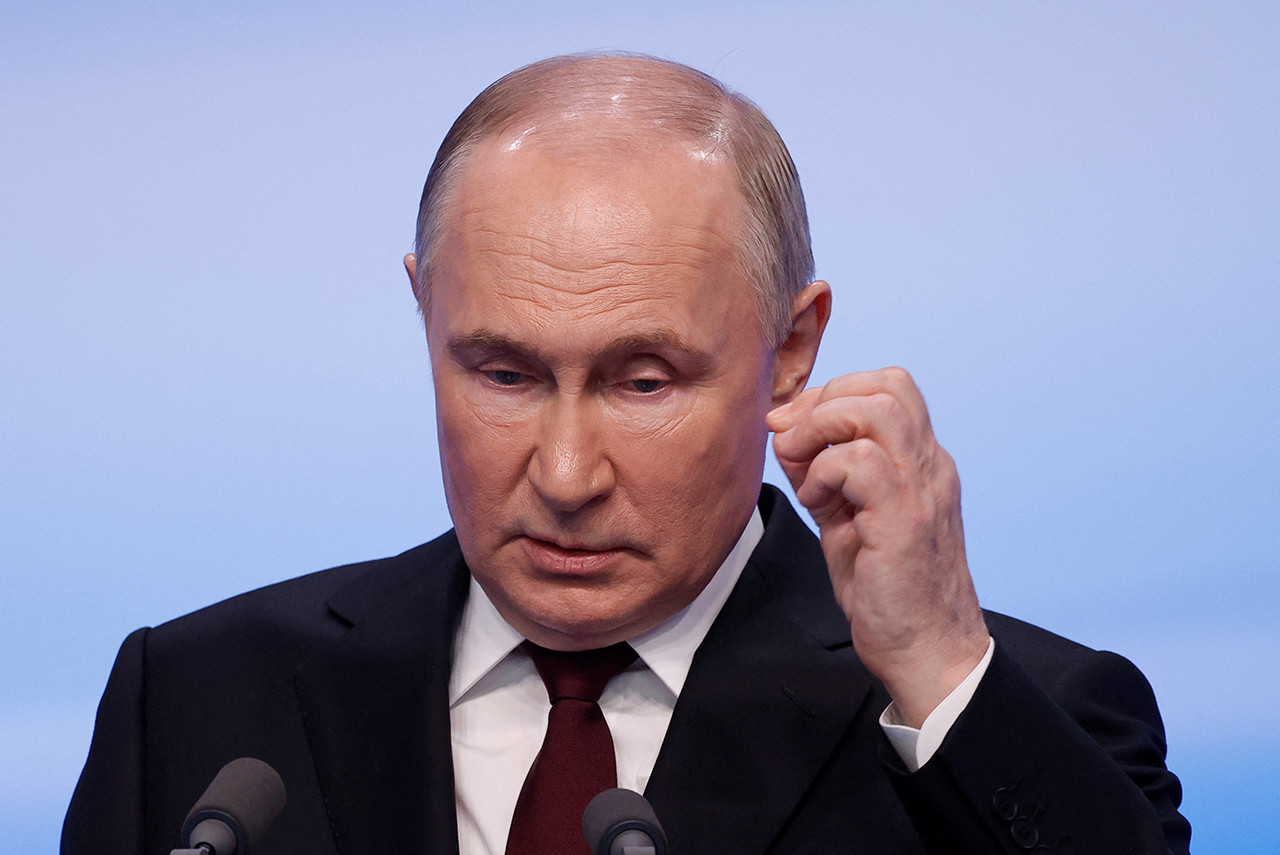




Fear of a New Mobilization Wave Drives Russians to Mass-Buy Property Abroad
Surge in Overseas Real Estate Interest Across Russia, a sharp rise in demand for foreign property is being linked by experts to fears of further war escalation and the possibility of a new military draft. In the first half of 2026, inquiries about purchasing homes outside Russia jumped 20% compared ...
yesterday, 23:24
389


World Bank Disburses $3.35 Billion to Ukraine: Here’s How the Funds Will Be Used
yesterday, 22:42
395
Horoscope
LIFESTYLE

Tourism


How to Choose a School Backpack: Key Factors for Your Child's Health and Comfort
yesterday, 10:06
423



Tech



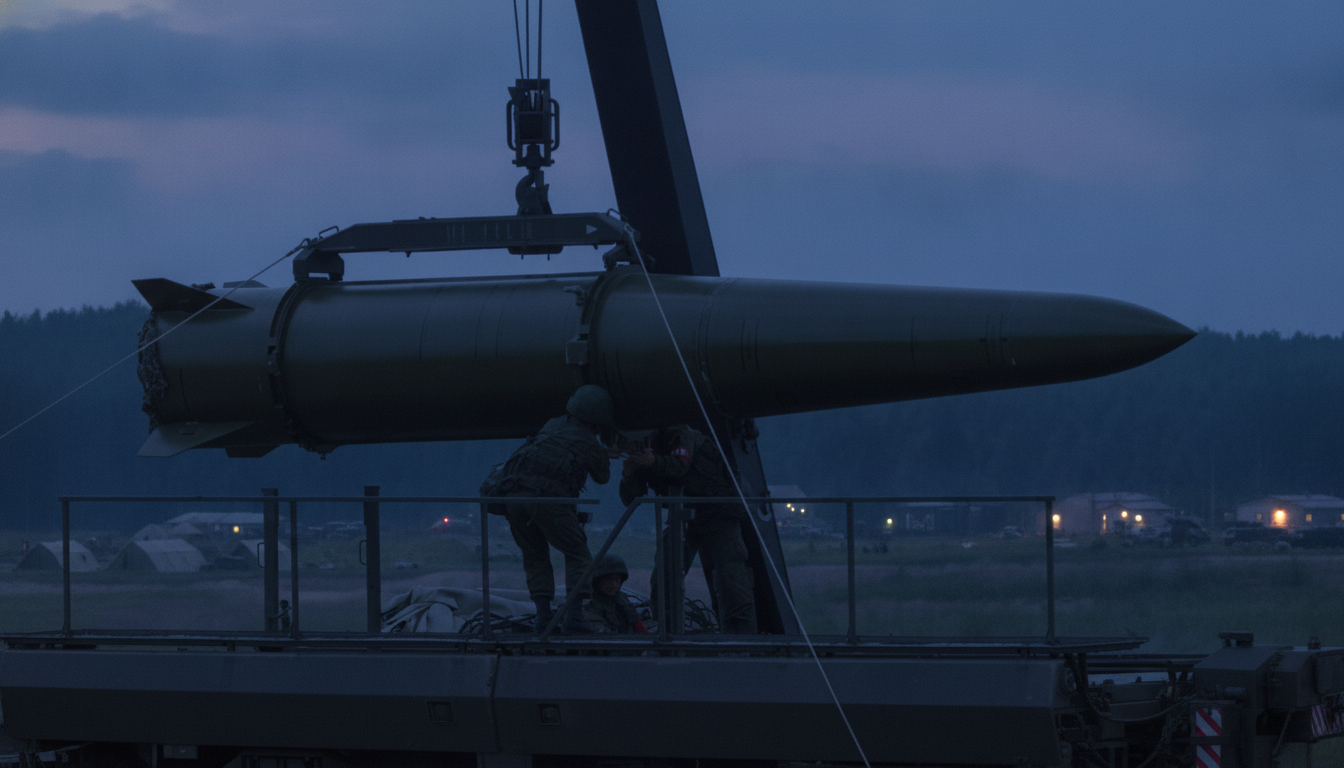
Russia Set for Rocket Launches from Plesetsk: Key Details on the 'Rassvet' Mission
yesterday, 23:48
393

Neo Robot Gets Upgraded Hands with 25 Degrees of Freedom – Here’s What’s New
yesterday, 15:54
382
Serbian Gamer Fixes RTX 3070 Using a Part Salvaged from an Old Radio
yesterday, 15:30
376
Society



Showbiz




Kelly Osborne Shares Nearly Identical Before-and-After Photos of Her Son on a Yacht
yesterday, 23:54
367
Sports



World Leaders Reveal Their Football Allegiances: Who Supports Which Team
yesterday, 20:06
361
World Cup 2026 Quarterfinal: Belgium vs. Spain – Where and When to Watch the Clash
yesterday, 18:24
416

European lawmakers demand FIFA ban Russia from tournaments over child deportations
yesterday, 10:18
472