







Ukraine’s Inflation Hits 7.6% as Fuel and Food Prices Surge.
Ukraine Faces Rising Prices and a Weakening Currency
According to TSN.ua: Ukraine is grappling with accelerating inflation and a depreciating national currency, driven by higher energy costs, new tax demands from the International Monetary Fund (IMF), and Hungary’s blockade of a European Union (EU) loan package. According to official data, the country’s annual inflation rate reached 7.6% in February 2026.
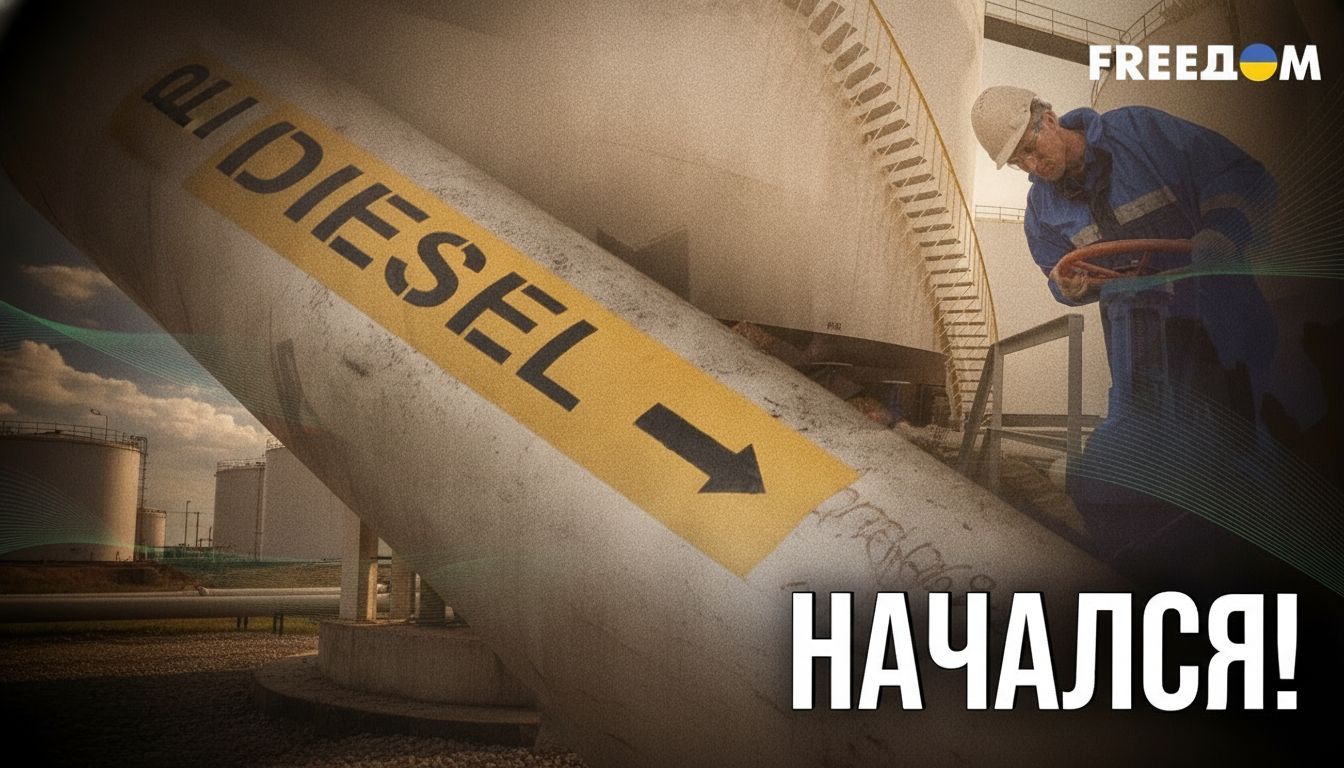
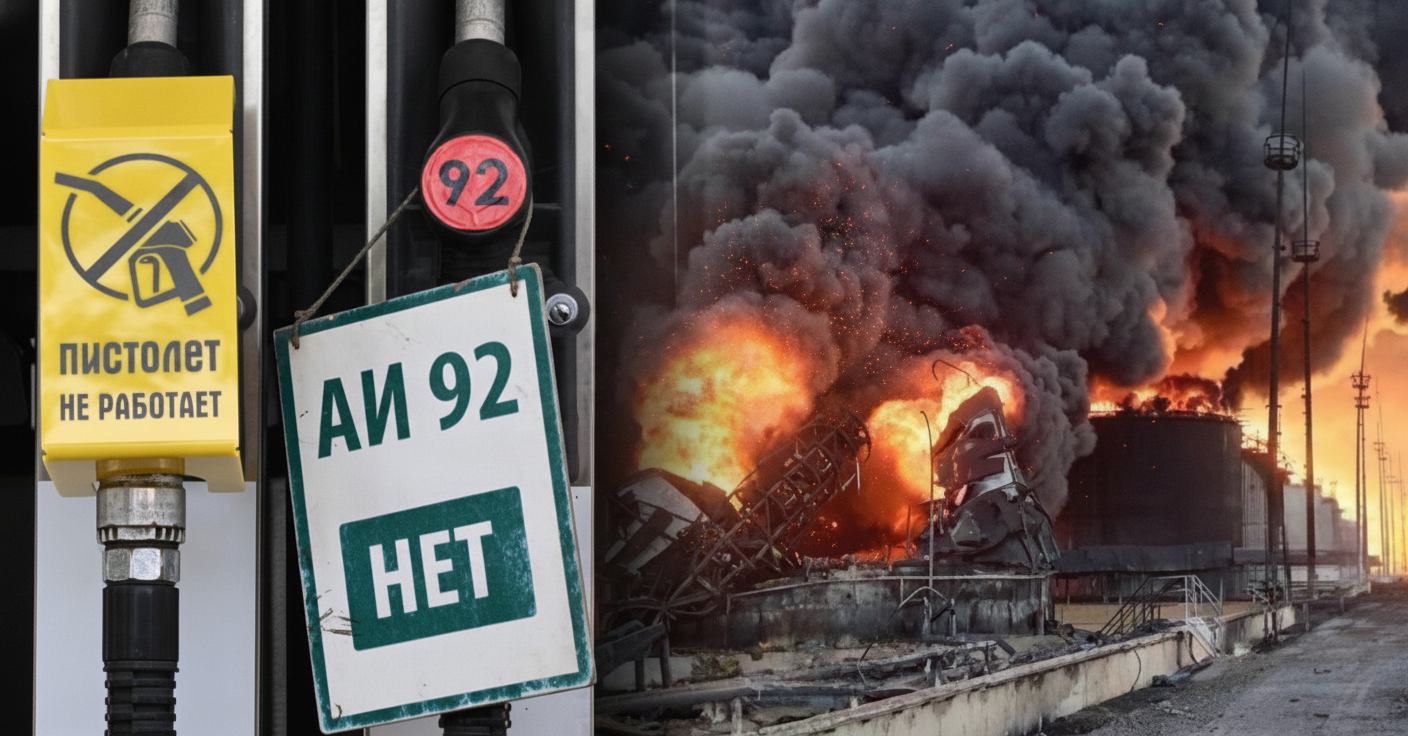
Fuel prices have climbed sharply: A-95 gasoline rose by 20%, while diesel increased by 35%. Since the start of 2026, the official U.S. dollar exchange rate has jumped from 42.30 to 44.16 hryvnias, reflecting mounting pressure on the currency. To stabilize the exchange rate, the National Bank of Ukraine has spent over $8.3 billion on foreign exchange interventions this year.
Food Costs and New Tax Measures
In the food sector, buckwheat prices soared by 59%, reaching 52.46 hryvnias per kilogram. In March, the average price for a dozen chicken eggs was 68.33 hryvnias, marking a 3.1% increase month-over-month.
“The rise in prices for fuel, services, and raw materials has been somewhat faster than expected,” said Andriy Pyshnyi, Governor of the National Bank of Ukraine.
Additionally, a draft law from Ukraine’s Ministry of Finance proposes raising taxes on individual entrepreneurs (FOPs) with annual revenues exceeding four million hryvnias, effective January 1, 2027. This move could further strain the economy. As Danylo Hetmantsev noted, “the internal parliamentary crisis is already delaying decisions needed for cooperation with the IMF.”
Complicating matters, Hungary and Slovakia have blocked a €90 billion EU loan package for Ukraine. Despite these obstacles, Ursula von der Leyen emphasized that “the bloc’s determination to support Ukraine has only strengthened.”
Overall, rising prices, a weakening currency, and stalled international aid are creating severe economic challenges for Ukraine, requiring urgent action from both the government and global partners.
The situation highlights the intricate link between domestic economic policies and external factors like international financial support. With inflation climbing and the hryvnia under pressure, coordinated efforts by Kyiv and its allies are critical to restoring investor confidence and stabilizing the economy. Ukraine’s ability to address internal hurdles—along with the response of international financial institutions—will shape the country’s economic trajectory in the months ahead.
Read also
- How Ukraine's Central Bank Keeps Banks Running Without Power—No Breaks, Even in Blackouts
- Ukraine Unveils Personal Belongings of Petliura and Konovalets for the First Time – Here’s Why It Matters
- Monobank Under Scrutiny: Ukraine's Central Bank Probes Client Controversy
- Monobank Data Leak Scandal Under NBU Review: Final Decision Could Take Six Months
- Why Ukraine's Parliament Risks Losing $8.1 Billion from the IMF Due to Legislative Gridlock
- Ukraine's Central Bank Chief Warns Inflation Could Accelerate, Potentially Pushing the Dollar to 45 Hryvnias