Hezbollah's Military Activities Banned by Lebanon as Conflict with Israel Escalates.

Israel and Hezbollah in Sustained Armed Conflict
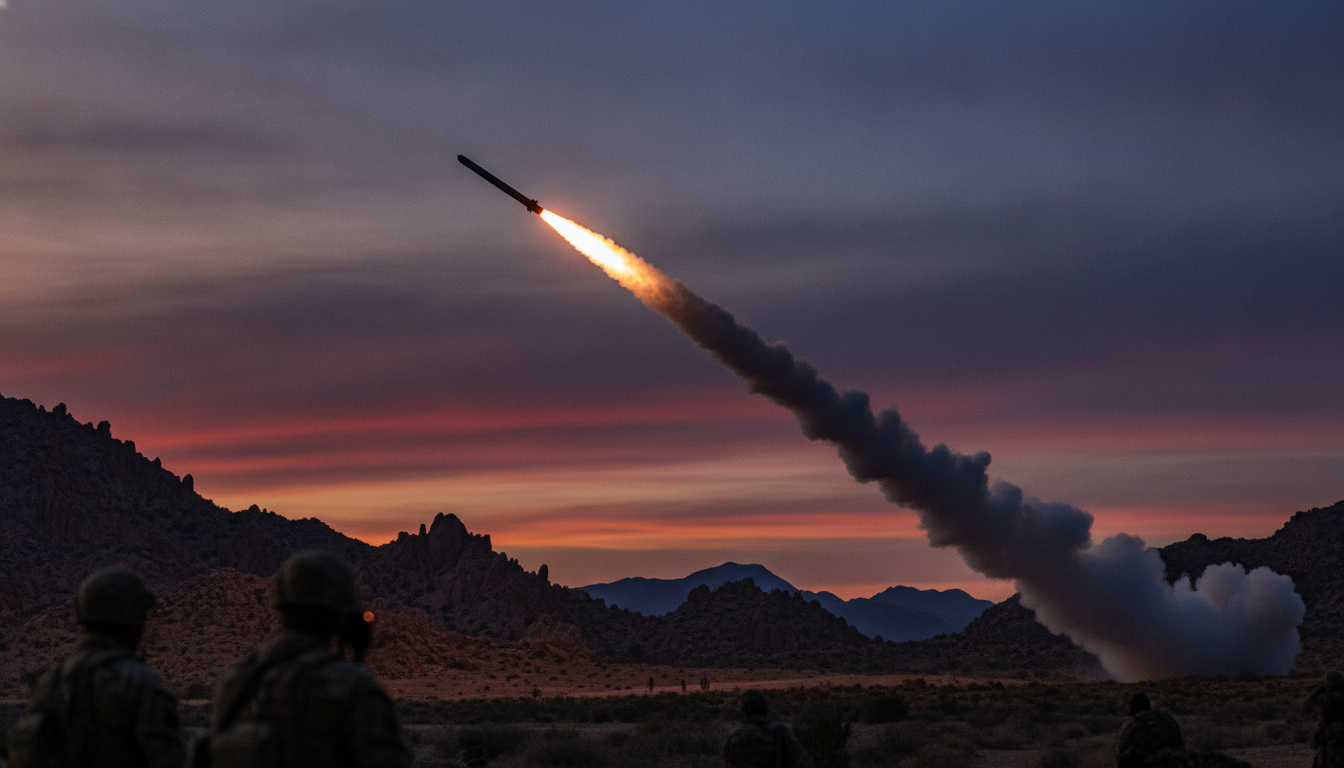
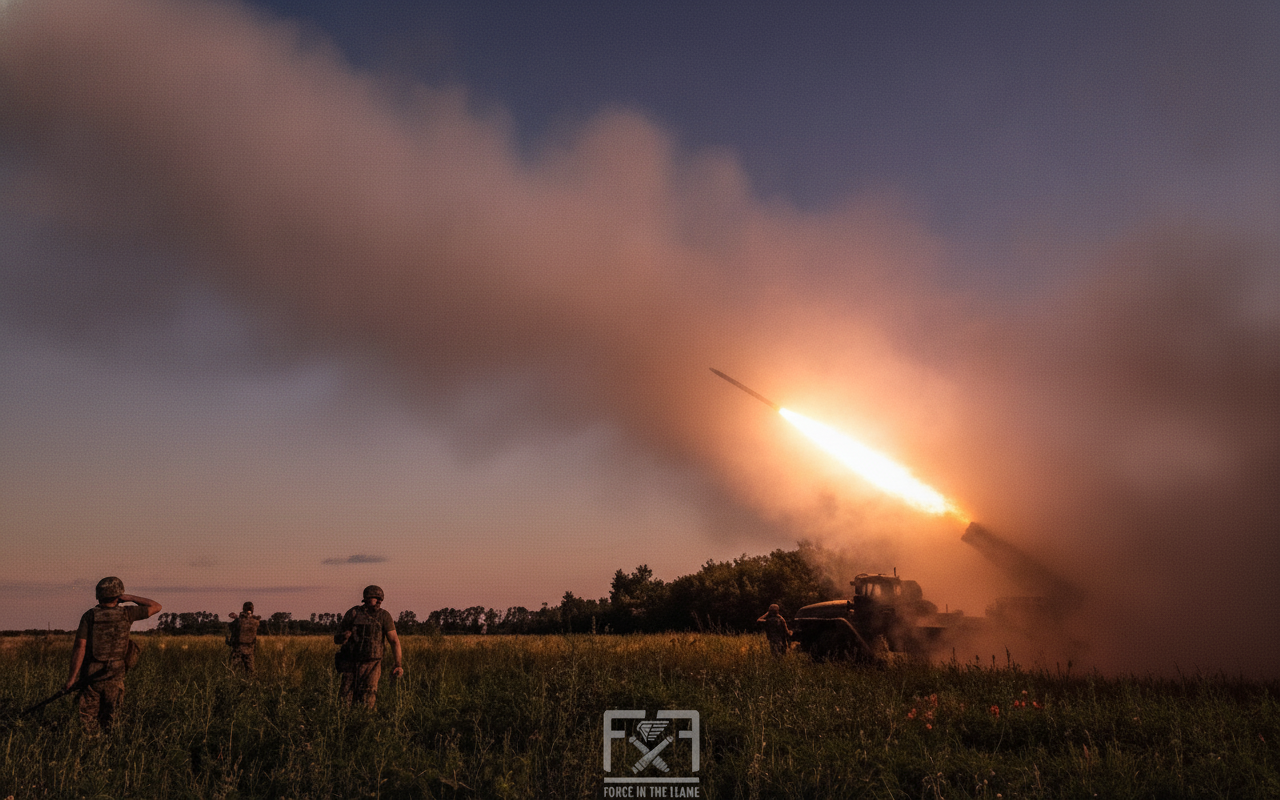
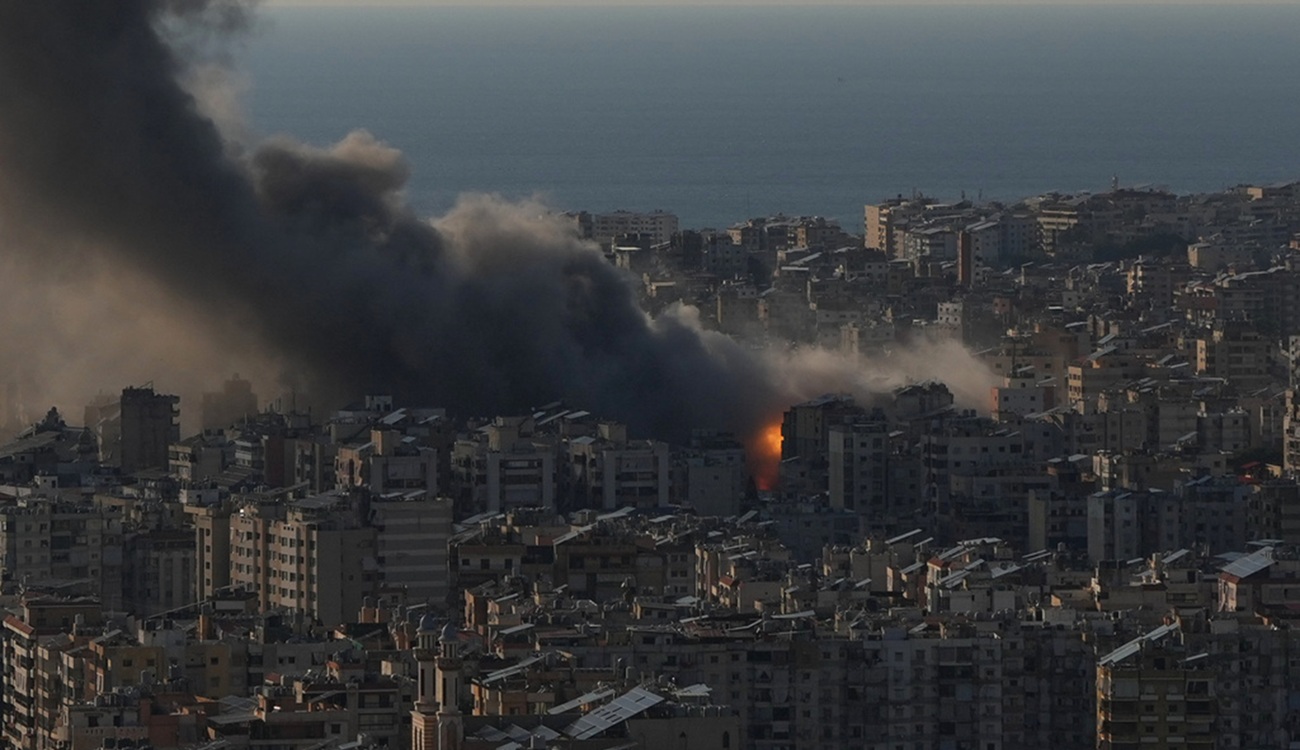
According to UATV: An armed conflict between Israel and the Lebanese militant group Hezbollah, which began on March 2, 2023, continues with attacks from both sides, including rocket fire and drone strikes. The initial escalation saw Hezbollah launch rockets and drones at an Israeli military base, prompting the Israel Defense Forces (IDAF) to retaliate by striking Hezbollah targets within Lebanon. This surge in violence has resulted in significant military casualties, including the confirmed deaths of approximately 40 high-ranking Iranian officers. Concurrently, Israel mobilized around one hundred thousand reservists, signaling a major military posture.
Lebanon and the International Community Respond
In response to the escalating conflict, Lebanese Prime Minister Nawaf Salam announced a ban on Hezbollah's military activities on the same day the attacks began, as part of an effort to control the situation within the country. The conflict has involved over a thousand strikes on Iranian military assets, indicating the broad scope of hostilities. The U.S. President commented on the situation, suggesting that operations against Tehran could last 4-5 weeks. This conflict is a major flare-up along Israel's northern border, a persistent flashpoint in the region.
On the international stage, Western powers have reacted. Berlin, Paris, and London have indicated they are considering forceful measures in response to Iranian strikes, underscoring the gravity of the situation. Meanwhile, on March 1, 2023, the U.S. President announced an Iranian proposal to resume diplomatic dialogue, offering a glimmer of hope for a potential peaceful resolution.
'Hezbollah opened fire. For this, they will pay a heavy price.' Efi Defrin, Israeli Military Spokesperson
Former U.S. President Donald Trump issued a statement calling on the Revolutionary Guard to lay down their weapons, or else 'you will face death.' Additionally, British opposition leader Keir Starmer emphasized that 'the foundation of our decision is the collective self-defense of long-standing friends and allies and the protection of British citizens' lives.'
The conflict between Israel and Hezbollah is deepening regional tensions and threatens to impact security across the Middle East. The actions of international players, including the U.S. and European nations, demonstrate that the situation is becoming a focal point of global geopolitical interests. Monitoring the evolution of events and potential diplomatic initiatives remains crucial, as the conflict could have far-reaching consequences for regional stability and international relations.
Read also
- 50% Tariffs Imposed by Trump on Canadian Goods: Automobiles, Alcohol, and Dairy Hit Hard
- Trump Denies Netanyahu Arrest in US as ICC Warrant Looms Over Israeli PM’s UN Visit
- What Trump and the UK’s New Prime Minister Discussed in Their First Call
- Iran Faces US-Israel Ultimatum: Accept a Ceasefire or Prepare for Joint Military Action
- Iran Crisis Deepens: Why a Military Solution Is Inevitable, According to an Expert
- Why Rubio’s Call to Protect Shipping in the Strait of Hormuz Matters for Global Security