









Kiev's Air Quality Crisis: Experts Explain the Cause and When Relief Will Come.

Kiev's Air Quality Crisis: Experts Explain the Cause and When Relief Will Come

Deteriorating Air Quality in Kiev

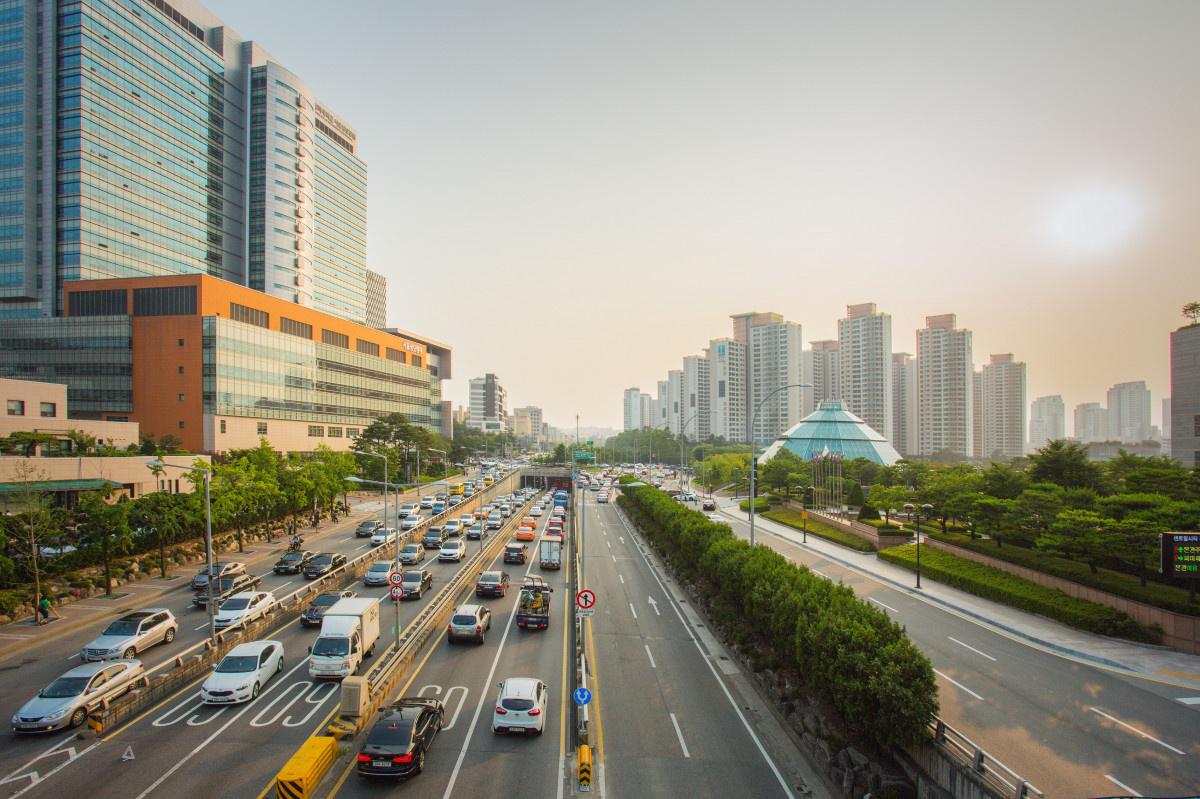
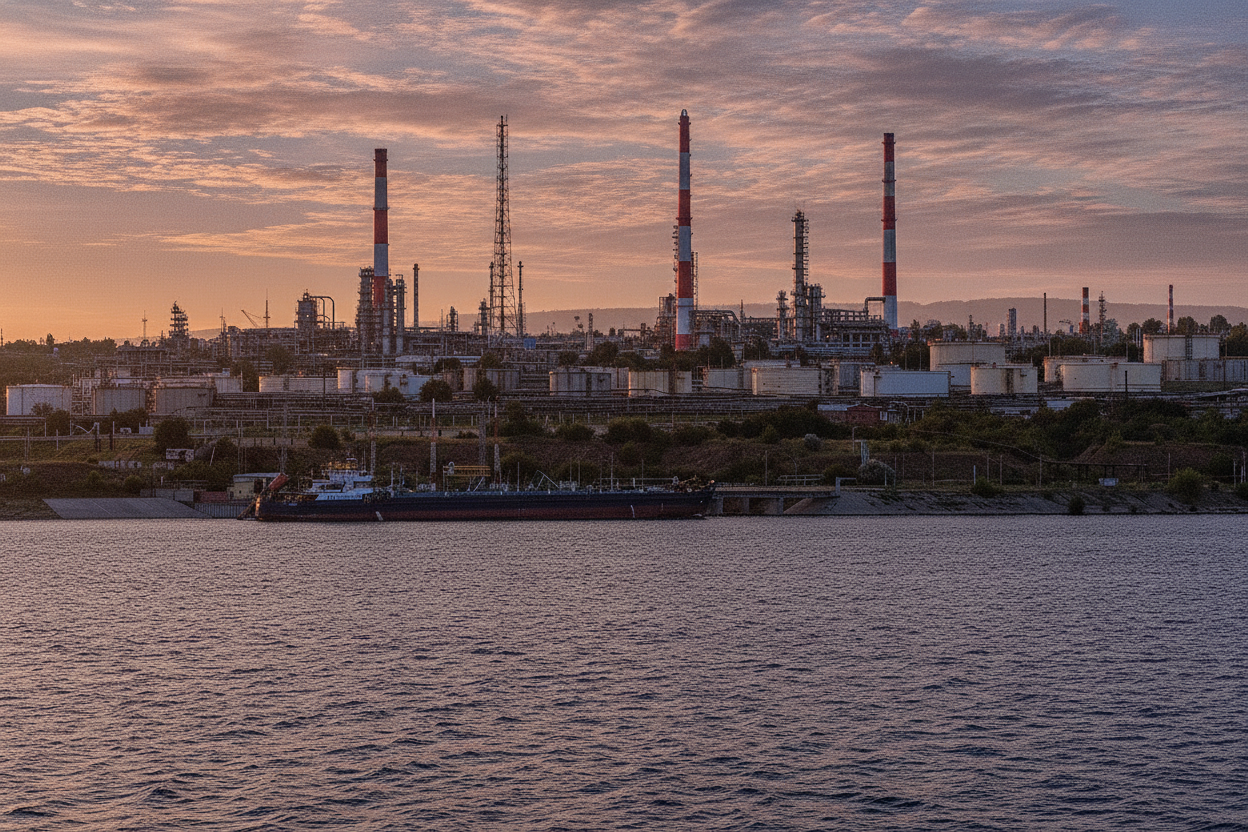
According to TSN.ua: Kiev is experiencing a significant decline in air quality, particularly in the mornings, due to the dominance of a Scandinavian anticyclone. According to ecologist Oleksandr Sokolenko, the primary sources of pollution are vehicle exhaust fumes, generators, and smoke from wood-burning heating boilers. With temperatures in the capital dropping to minus 17 degrees Celsius, these pollutants are accumulating near the ground. Such wintertime air quality issues are a recurring challenge for many cities in the region.

"Heavy air accumulates near the earth's surface and gathers everything that enters it." — Oleksandr Sokolenko

Consequently, air quality in Kiev is likely to worsen further under cold and windless conditions. The ecologist added that "if cold and windless weather persists over the city, periods of poor air quality will return."

Expected Improvement and Safety Measures

Despite the current problems, an improvement in air quality is expected on Thursday. Sokolenko emphasized that "the situation will change on Thursday, and such high levels of harmful indicators will no longer be present." Warm air spreading across Ukraine from Monday through Wednesday is also likely to have a positive impact on the overall air quality situation.

It is crucial for Kiev residents to follow safety measures during periods of poor air quality to protect their health. Under polluted conditions, it is recommended to:

  • Avoid prolonged time outdoors, especially in the morning hours when pollution levels are highest.

Overall, the air quality situation in Kiev remains under control, with experts monitoring changes to inform the public in a timely manner.

The current episode highlights the importance of monitoring environmental conditions amid climate change and seasonal fluctuations. Given that air pollution can negatively impact public health, especially in winter, measures to reduce emissions of pollutants are necessary. The expected improvement in conditions in the coming days may provide temporary relief, but it is important to be prepared for possible future periods of pollution recurrence.


Read also

Advertising