














Why Every Garden Bed Should Have Dill: A Secret Weapon for Soil and Crops.
How Dill Boosts Soil Health and Farm Productivity
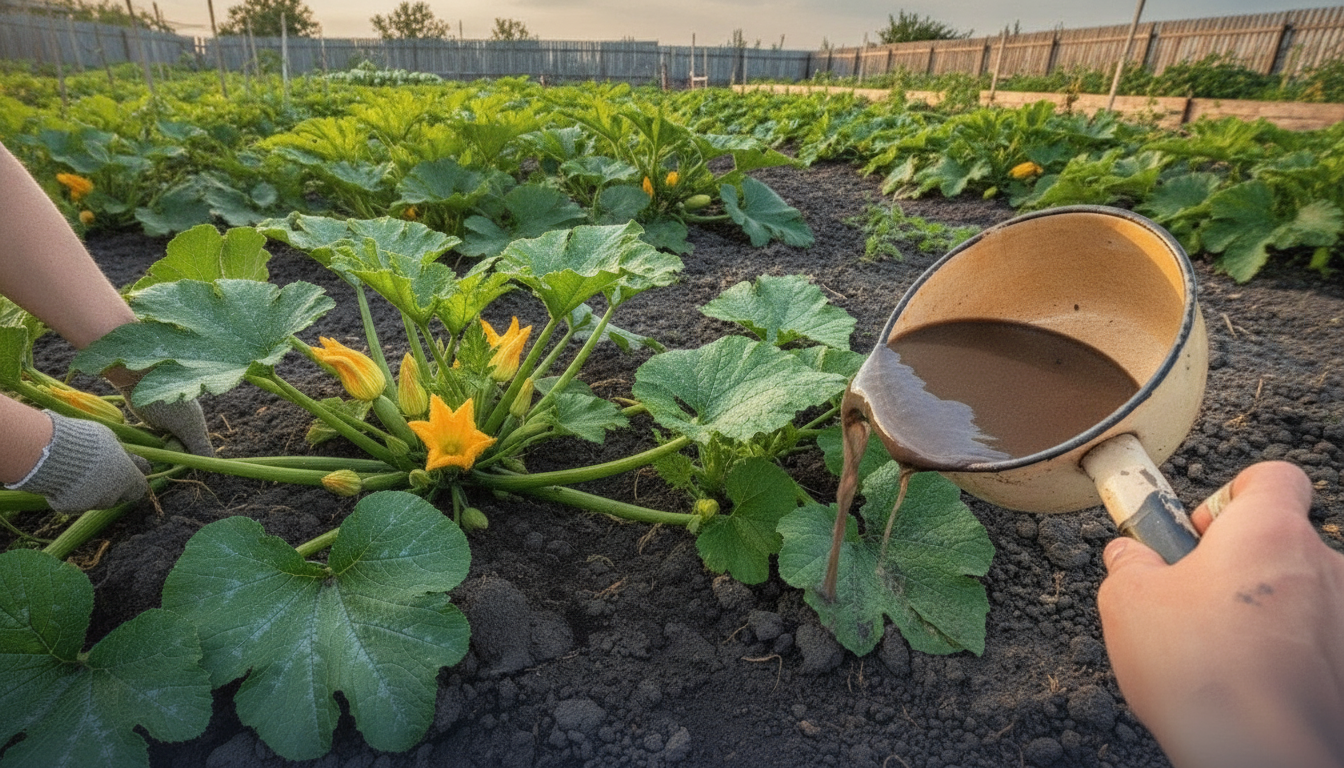
According to TSN.ua: Dill is far more than just a culinary herb; it actively improves soil condition, protects neighboring plants, and increases their yields. Its strong scent acts as a natural repellent, driving away common pests. Meanwhile, its shallow but branching root system helps aerate and enhance soil structure.
When in flower, dill attracts bees, ladybugs, and other beneficial insects, which in turn improves pollination across the garden. Simply scattering its seeds allows dill to self-sow and emerge naturally in various spots, providing a steady supply of fresh greens with minimal effort. This self-seeding trait makes it a reliable, low-maintenance source of harvestable foliage.
Environmental Benefits of Growing Dill
Dill also plays a key role in protecting the soil from overheating by retaining moisture and creating a more favorable microclimate for other crops. Its many functions make it a valuable asset not only in the kitchen but also in agriculture, helping to boost yields while maintaining ecological balance.
As interest in eco-friendly farming methods grows, plants like dill are gaining attention for their ability to improve soil quality and support biodiversity. Incorporating dill into crop rotation systems allows growers to optimize resources and reduce reliance on chemical fertilizers. This shift can benefit both the economic performance of farms and the environmental health of the regions where these crops are cultivated.
Read also
- 8 Out of 10 Drivers Get Tire Buying Wrong: Here’s How Old Rubber Becomes a Deadly Risk
- Summer Heat and Thunderstorms Arrive in Ukraine on June 5: Temperatures Up to +28°C
- Cheese and Apple Pancakes: A 20-Minute Breakfast Recipe
- June's First Weekend Brings Major Shifts for Libra, Scorpio, and Capricorn
- Soft Yeast Rolls from Poland: A Simple Recipe by Gospodynka
- Seven Common Composting Mistakes That Ruin Your Fertilizer and Create Foul Odors