Belarus Leader Accused of Using Public Funds for Son’s Graduation Trip to China.

Lukashenko’s Beijing Visit Under Scrutiny
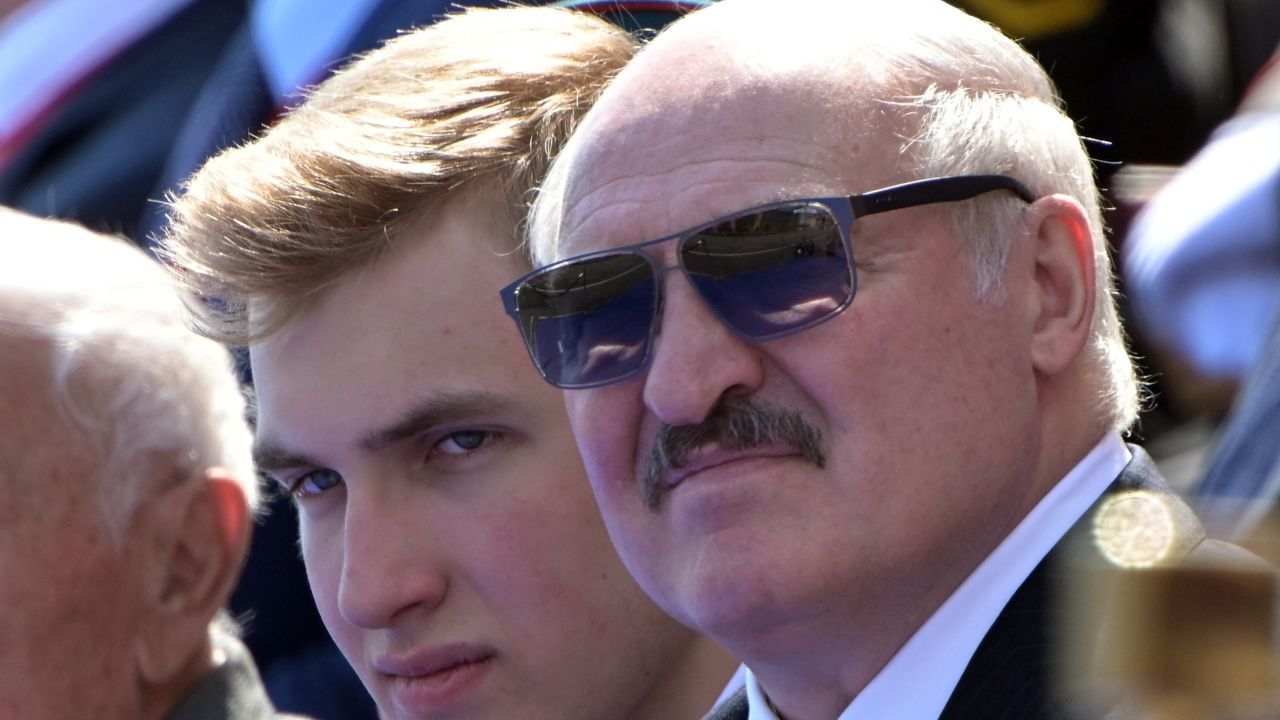
According to Espreso.tv: On June 30, 2023, Alexander Lukashenko traveled to China to attend a ceremony in Beijing where graduates from a joint educational program between Belarusian State University and Peking University received their diplomas in biotechnology. Reports indicate that Lukashenko’s youngest son, Nikolai, was also present at the event, sparking controversy over the alleged use of state resources for private family matters.
Meeting with Putin and Opposition Criticism
Two days earlier, on June 28, 2023, Lukashenko held a meeting with Vladimir Putin in Russia before heading to Beijing. The purpose of that meeting was never officially disclosed. However, opposition politician Pavel Latushko raised concerns about the financing of the trip, stating:
“It appears the main goal of the journey was the son’s graduation, with the meeting with Chinese leadership serving merely to give it a state-level facade.” — Pavel Latushko
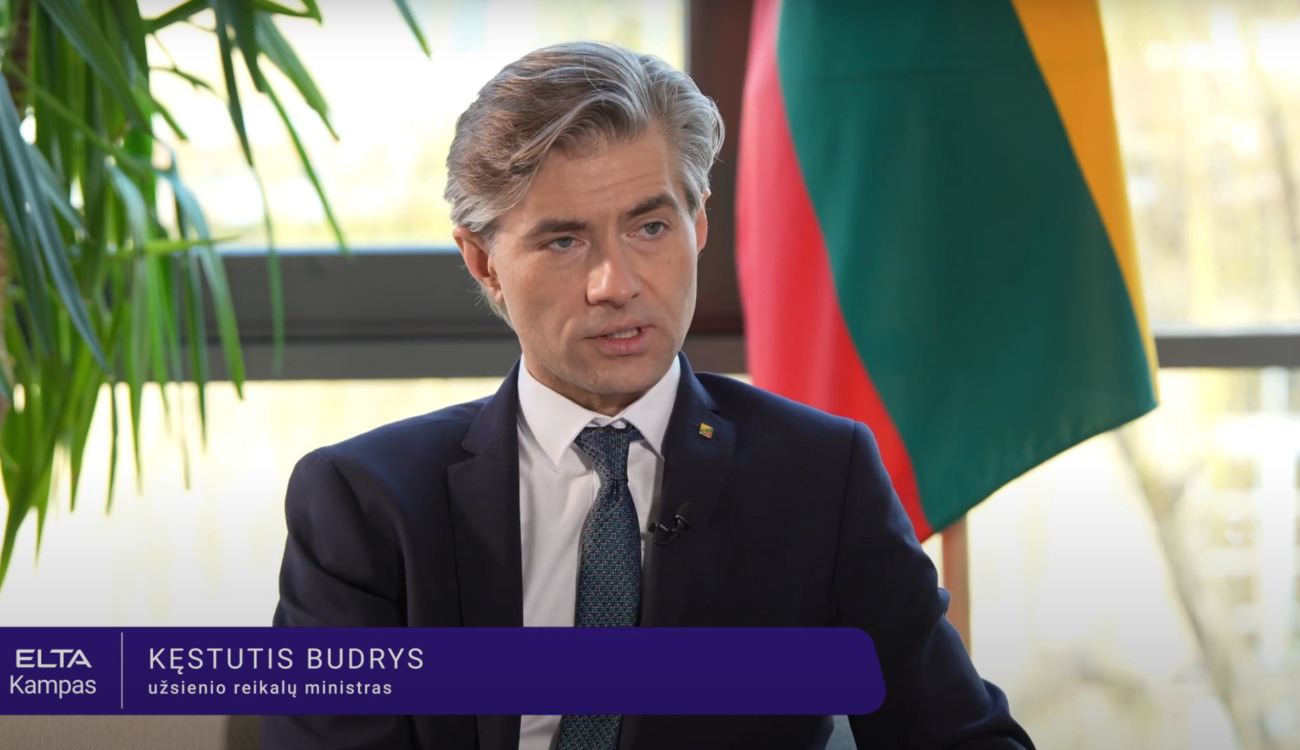
Latushko further argued that in a democratic system, a politician would be expected to personally reimburse such expenses from the state budget and face political accountability. His remarks fueled a broader debate on the ethics of using public funds for private gain. This controversy echoes another recent case: on June 23, 2023, Lithuanian Prime Minister Ingrida Šimonytė dismissed a minister over ethical violations, highlighting the global importance of upholding integrity in governance.
Overall, Lukashenko’s China trip—especially the presence of his son at the graduation ceremony—has not only stirred political discussion but also raised serious questions about the misuse of state resources for personal purposes.
The incident underscores ongoing concerns about transparency and accountability among public officials when handling taxpayer money. Amid political instability and opposition criticism, such situations can act as a catalyst for deeper conversations about ethical norms in state leadership. Observing public and political reactions to this case may offer insight into the state of civic opinion and the potential for shifts in the country’s political culture.
Read also
- Belarus Moves Special Forces to Ukraine Border: Lukashenko's Latest Military Moves
- Hundreds of bomb shelters undergo urgent inspections in Belarus — over 70 found to be in critical condition
- Why Belarus Avoids War While Lukashenko Recruits Migrants and Expands the Army
- Budanov on the Belarus Conflict and Crimea’s Return: Key Statements
- Can Beijing Influence Moscow? China’s Push to End the War in Ukraine
- Why Ukraine and Belarus Have Never Fought a Direct War Despite Centuries of Tension