







IEA Releases 400 Million Barrels of Oil Amid Strait of Hormuz Blockade.
Middle East Conflict and Its Consequences
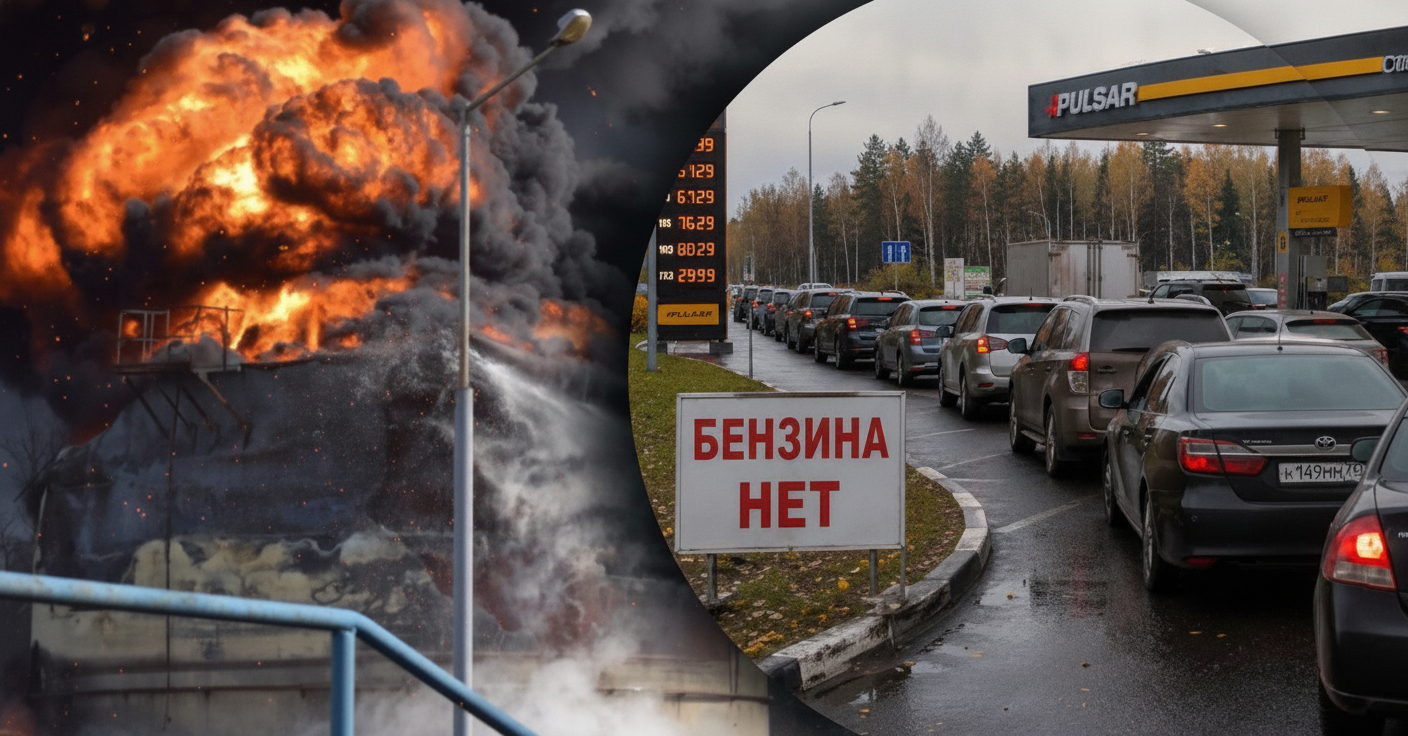
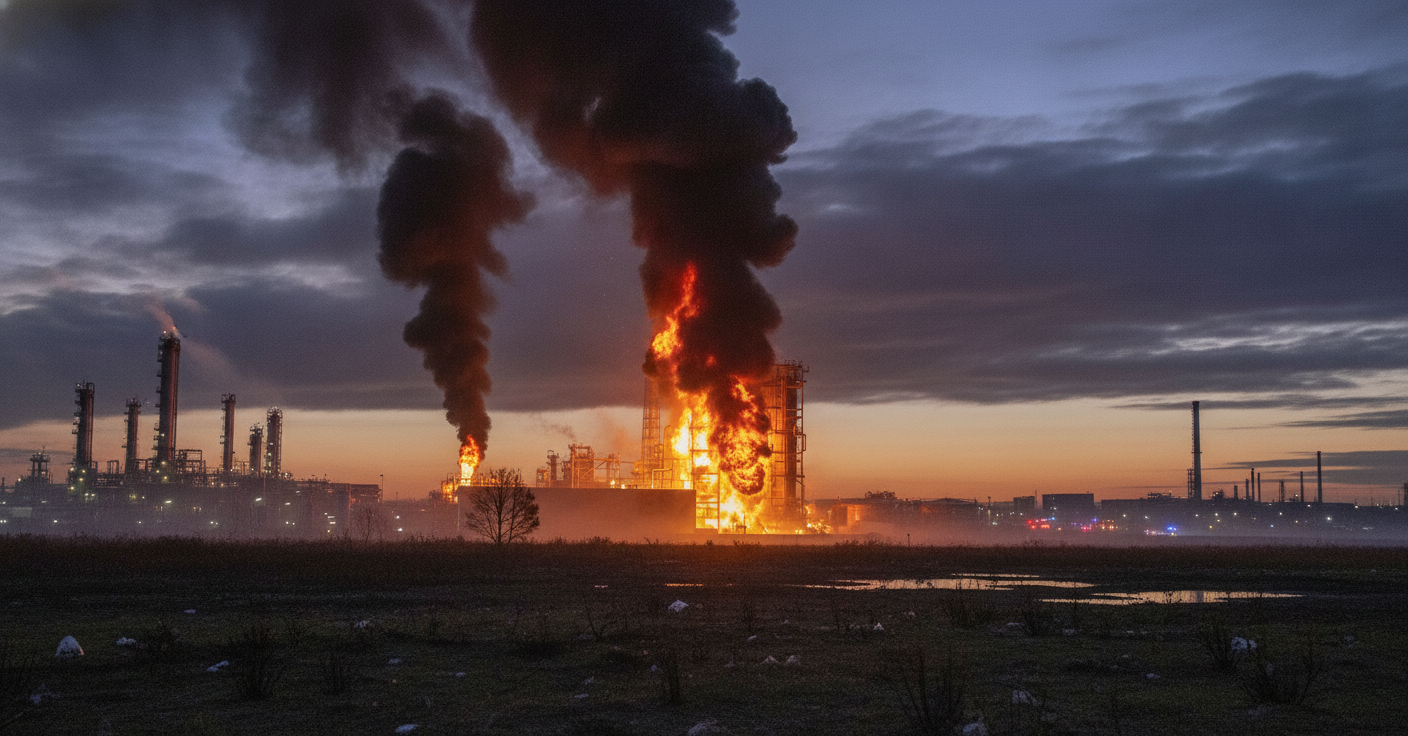
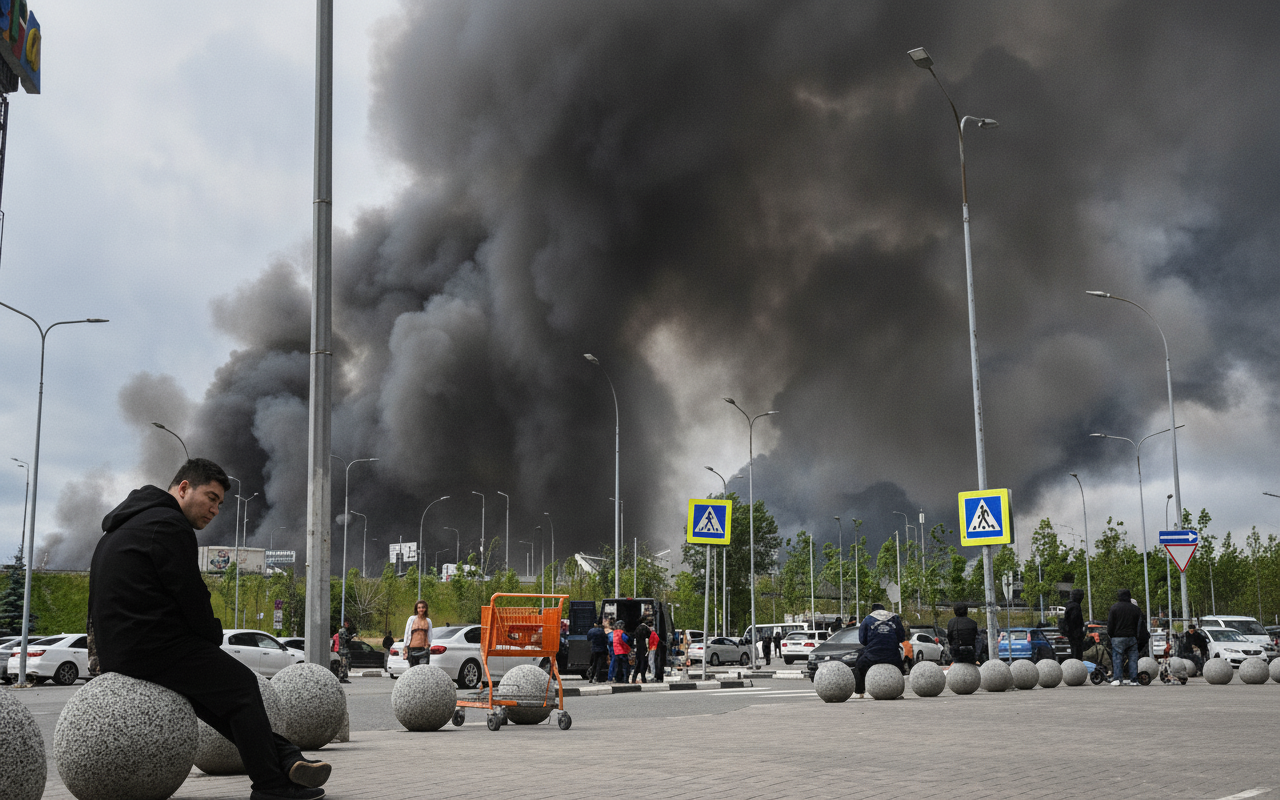
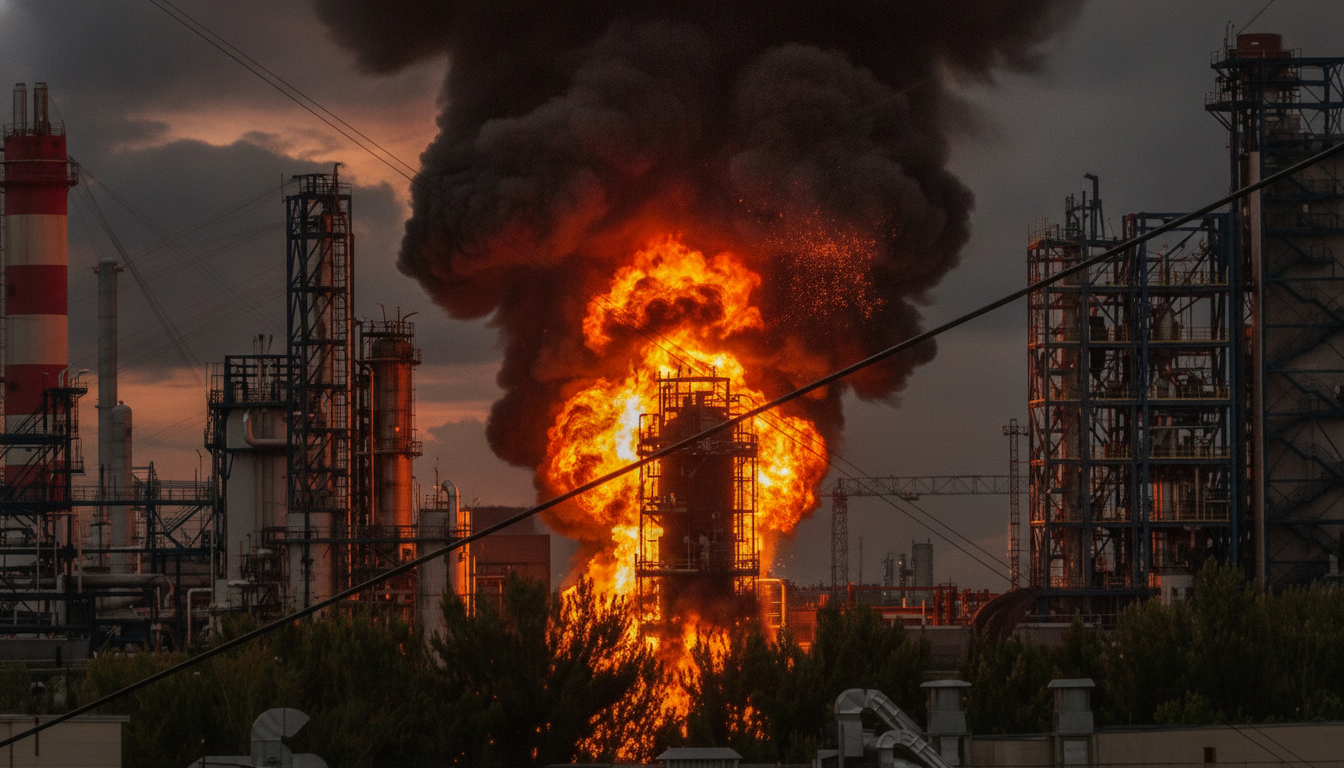
According to TSN.ua: For more than three weeks, a conflict in the Middle East has damaged over 40 energy facilities across at least nine countries. These events pose a serious threat to global markets, as the Strait of Hormuz—a vital corridor for oil shipments—remains almost entirely blocked. The resulting surge in oil and gas prices has alarmed nations that rely heavily on energy imports. This crisis highlights how instability in a single region can disrupt supply chains worldwide.
Actions Taken and Their Impact
In response, the International Energy Agency (IEA) has announced the release of 400 million barrels of oil from strategic reserves to stabilize markets. IEA Director Fatih Birol noted:
“A significant portion of the infrastructure has suffered severe or critical damage.” - Fatih Birol
This statement underscores the conflict’s profound impact on energy security for both the region and the world.
Among the damaged assets are:
- oil fields
- refineries
- pipelines
This list highlights the vulnerability of Middle Eastern energy infrastructure. Asian countries, which depend heavily on energy imports, face particularly difficult circumstances. Birol also stressed that:
“The key to stabilizing the situation remains restoring navigation through the Strait of Hormuz.” - Fatih Birol
Restoring shipping lanes is seen as essential to easing price pressures on global markets.
Additionally, the United States has authorized the sale of 140 million barrels of Iranian oil, a measure valid until April 19. While this step may influence the market, the situation remains tense, and future developments will require close international attention.
This conflict demonstrates how geopolitical events can reshape global energy markets, emphasizing many countries’ reliance on stability in resource-rich regions. Should tensions escalate further, importing nations could face severe economic repercussions, making it critical for the international community to respond proactively. Restoring safety in the Strait of Hormuz and securing energy supplies remain top priorities for global energy security.
Read also
- Russia’s Economy Isn’t Headed for a Sudden Collapse, Analyst Says, Drawing Parallels to Post-War Britain
- Connecting Electricity to a Plot Cost 57,720 UAH in Summer 2025: A Breakdown
- Ukraine Must Adopt a 15-to-20-Year Strategy: Kim Shares Lessons Learned from South Korea
- Cashier Salaries at ATB and Silpo: How Pay Varies Across Ukrainian Cities
- New Salary Threshold for Employee Reservation: What Ukrainian Businesses Must Pay by June
- Sunflower Seed Prices Drop by Hundreds of Hryvnias as Ukrainian Demand Weakens