The rumor that carrots improve vision originated from British propaganda during World War II.

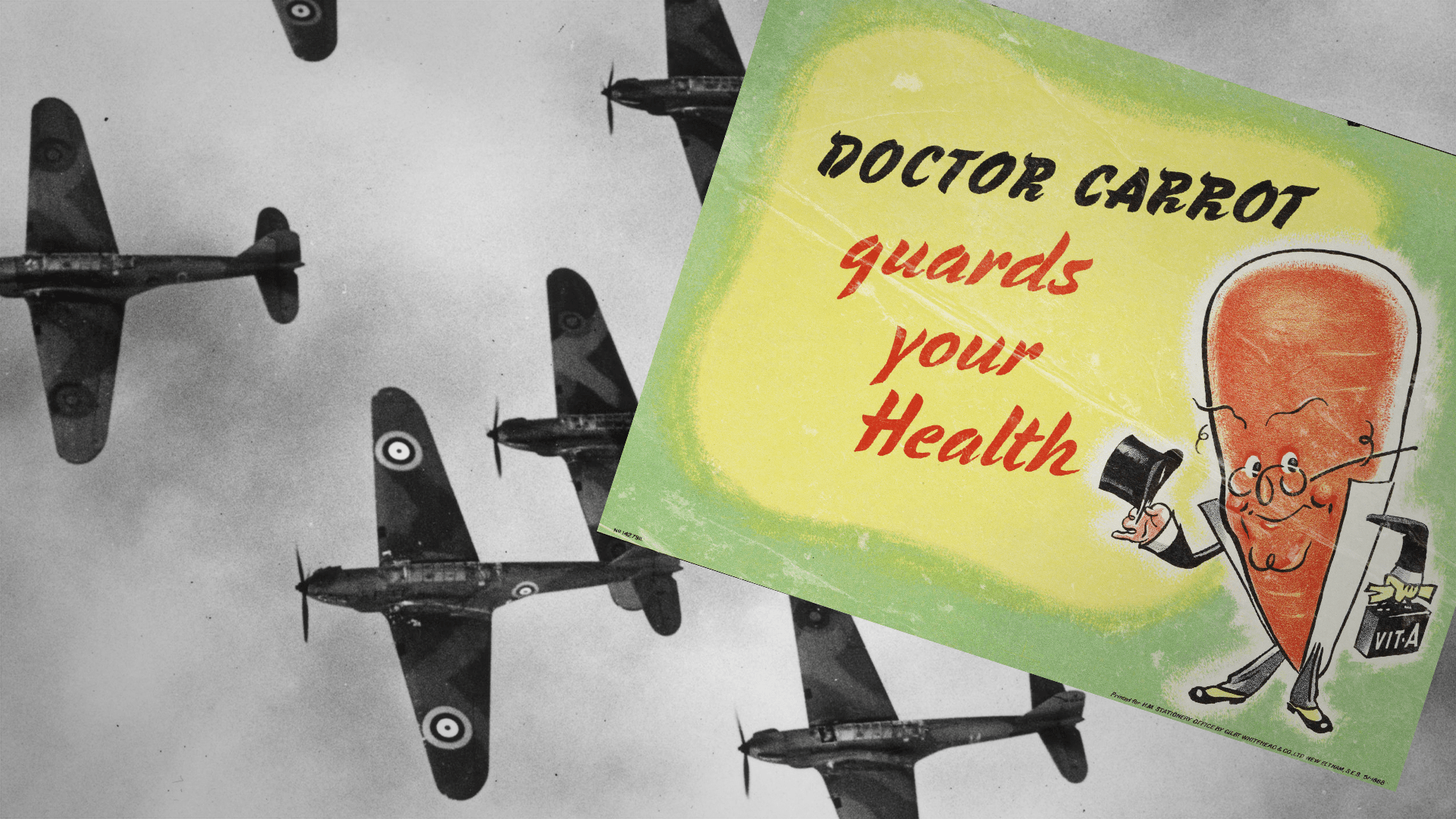
Where the belief in the benefits of carrots for the eyes came from
According to Vox - Загальний: Contrary to popular belief, the ability of carrots to noticeably affect visual acuity is nothing more than a legend that arose during World War II. At that time, British authorities deliberately spread this information among the public. Although carrots do contain vitamin A, which is important for eye health, most people get it in the necessary amounts from a regular diet. This means that this vegetable is neither the only nor the main source of this substance for maintaining vision.
During the massive air raids by the German Luftwaffe on London, known as the Blitz, the Ministry of Information and the Ministry of Food of the United Kingdom joined forces to promote the benefits of carrots. The aim of this information campaign was not only to boost the morale of the population but also to explain the need to increase the production and consumption of carrots under wartime conditions. It is important to remember: an excess of vitamin A in the body can be harmful to health.
What science says
So, although carrots are a valuable product containing vitamin A, they are not a miraculous remedy for improving vision. This myth, born of wartime propaganda, remains persistent to this day. However, scientific data confirms that most people have a varied diet sufficient to obtain the necessary norm of vitamin A.
This example clearly demonstrates how historical events can shape persistent public misconceptions. It is important to rely on research findings and facts when it comes to healthy eating. Consuming carrots as part of a balanced menu will be beneficial, but one should not expect them to be the sole key to excellent vision.
Read also
- Poetry, Music, and Remembrance: Honoring Olena Teliha at Babyn Yar
- Population of Donbas Drops by One-Third Over a Decade: Russia's Demographic Devastation
- Two Men Arrested in Poland for Beating a Local Who Defended a Ukrainian Teen
- Teacher Fined in Ukraine for Using Russian in Classroom: Here’s What Happened
- Ukraine's Security Service Dismantles Fake Job Scheme for Draft Dodgers: Hundreds of Exemptions Sold for $5,000 Each
- Volunteer Threatened and Robbed of $11,000: Inside the Attack